







By Kemo Cham
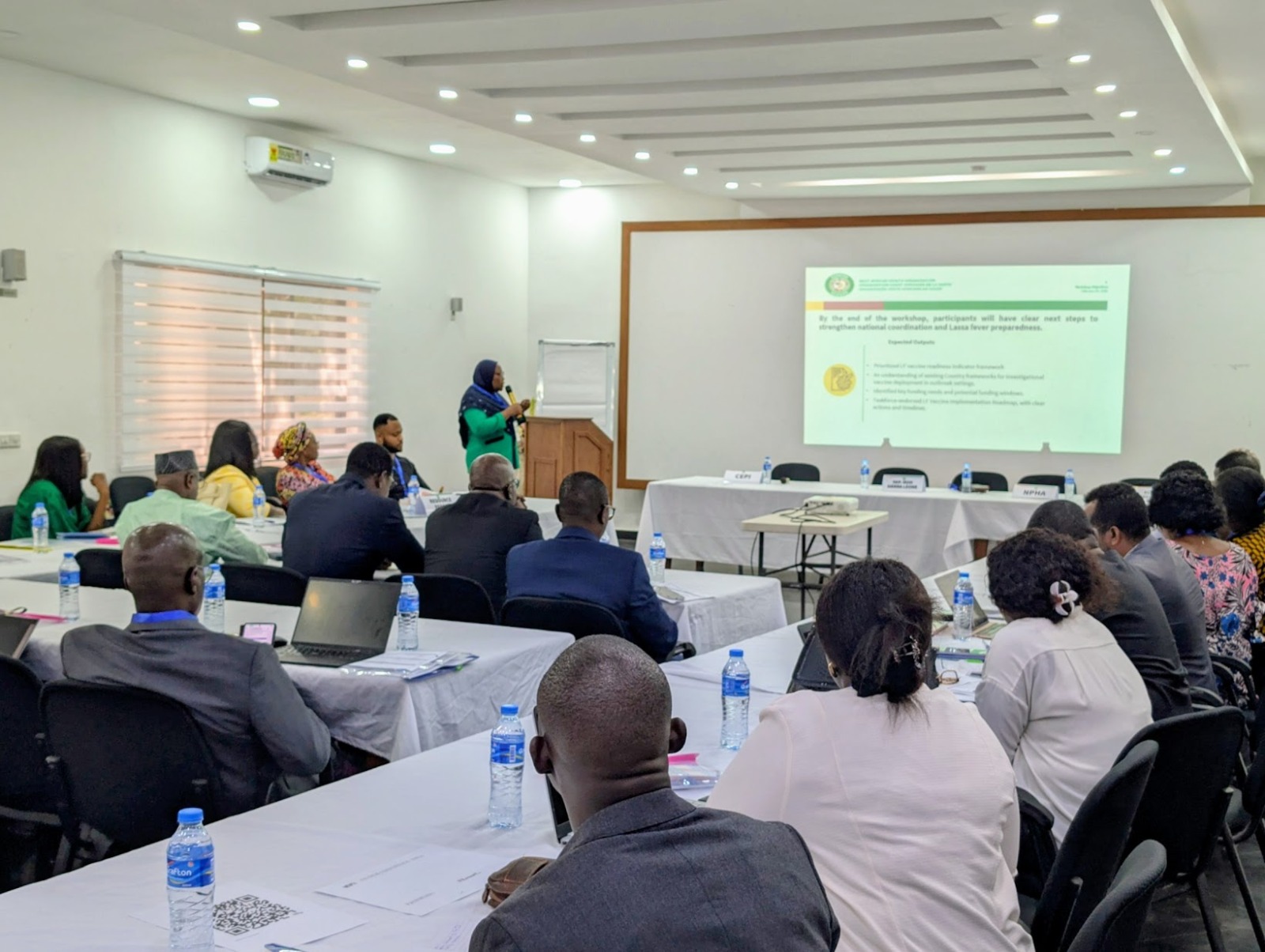
Sierra Leone is playing host to a three-day capacity building workshop for Lassa Fever Working Groups as part of the West African region’s effort towards introducing a vaccine for the deadly viral disease.
The workshop ongoing in Freetown is organized by the West African Health Organisation (WAHO) in partnership with the Coalition Against Lassa Fever and the Sierra Leone Ministry of Health (MoH). WAHO is the specialized health agency of the Economic Community of West African States (ECOWAS). In a news release, the agency said the Freetown meeting aims to strengthen national preparedness for the future introduction of a Lassa fever vaccine by promoting a structured, evidence-based approach to planning and coordination.
Dr Alie Wurie, Deputy Chief Medical Officer for Public Health, in a statement reaffirmed the Health Ministry’s full commitment to the national working group, noting that the future introduction of a vaccine is vital to protect frontline health workers and reduce the high maternal mortality associated with the virus.
Lassa Fever is an acute, often severe viral hemorrhagic illness endemic to West Africa. It is caused by the Lassa virus, which is transmitted primarily through contact with the urine or feces of infected rodents of the species Mastomys natalensis. According to the World Health Organization (WHO), Lass fever causes between 100,000 and 300,000 infections annually, with symptoms including fever, headache, and weakness, sometimes leading to fatal, multi-organ failure.
Sierra Leone is one of eight countries known to be endemic to the virus, including Nigeria, and Mano River Union neighbors Liberia and Guinea.
Efforts to introduce a Lassa fever vaccine, led by the Coalition for Epidemic Preparedness Innovations (CEPI), are at an advance stage, with Phase II trials presently underway in Nigeria, Liberia, Ghana, and Sierra Leone. The candidate vaccine under trial – rVSVΔG-LASV-GPC – showed “encouraging” results during the first-in-human phase 1 clinical trial, according to data released last November.
The Lassa fever working groups comprise bodies focusing on specific areas in the overall regional response to the disease, including reducing mortality through vaccine development, surveillance, and enhanced, multisectoral response strategies across the affected nations.
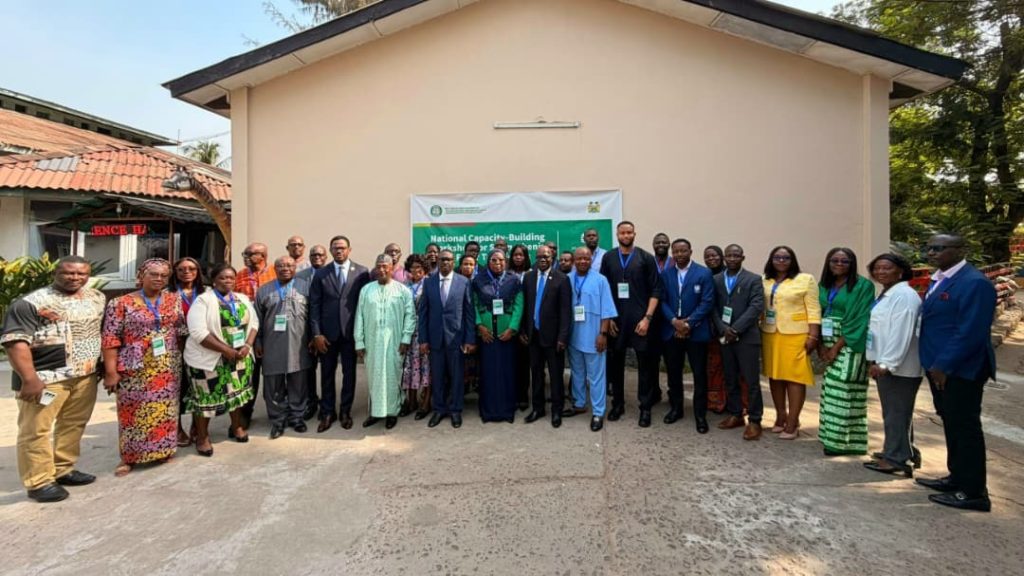
The ongoing workshop in Freetown is part of a new Regional End-to-End Access Roadmap to ensure, equitable, and timely distribution across the region.
The MoH is represented at the event taking place in Freetown by top officials, including Andrew L. Sorie, Senior Permanent Secretary in the ministry, and Dr Mohammed Vandi, Deputy Executive Director of the National Public Health Agency (NPHA) Sierra Leone. Dr Vandi highlighted the strategic importance of vaccine readiness in alleviating current challenges in epidemiological surveillance and diagnostic systems. Recalling the work already accomplished by the national working group, he noted that vaccine preparedness will greatly facilitate overall disease management in the country.
For John Azumah, ECOWAS Representative in Sierra Leone, the event is a sign of regional solidarity, noting that cross-border mobility demands a coordinated, multisectoral response — one that extends beyond public health to encompass civil society, agriculture, and environmental sectors.
Chimezie Anueyiagu, representing CEPI, commended Sierra Leone’s leadership and reiterated CEPI’s commitment to supporting the generation of evidence, including clinical studies, to ensure rapid and equitable access to vaccines once available, with a projected deployment horizon of around 2032.
Dr Salif Gnoumou, representing WAHO Director General, emphasised the importance of regional integration and the need to anticipate the vaccine’s arrival — stressing that regulatory and deployment infrastructure must be built now, without waiting for the vaccine to be ready.
The workshop specifically aims to define and prioritise Lassa fever vaccine readiness indicators for Sierra Leone, assess existing frameworks for deploying investigational vaccines in epidemic settings, and identify priority funding needs and resource mobilisation pathways to support the action plan. Participants will also validate a clear roadmap with precise timelines for future actions by the national working group.
“The continuous exchanges over these three days will transform these commitments into an operational action plan, establishing Sierra Leone as a regional pioneer in Lassa fever vaccine readiness,” says the statement from WAHO.