








By Patricia Conteh
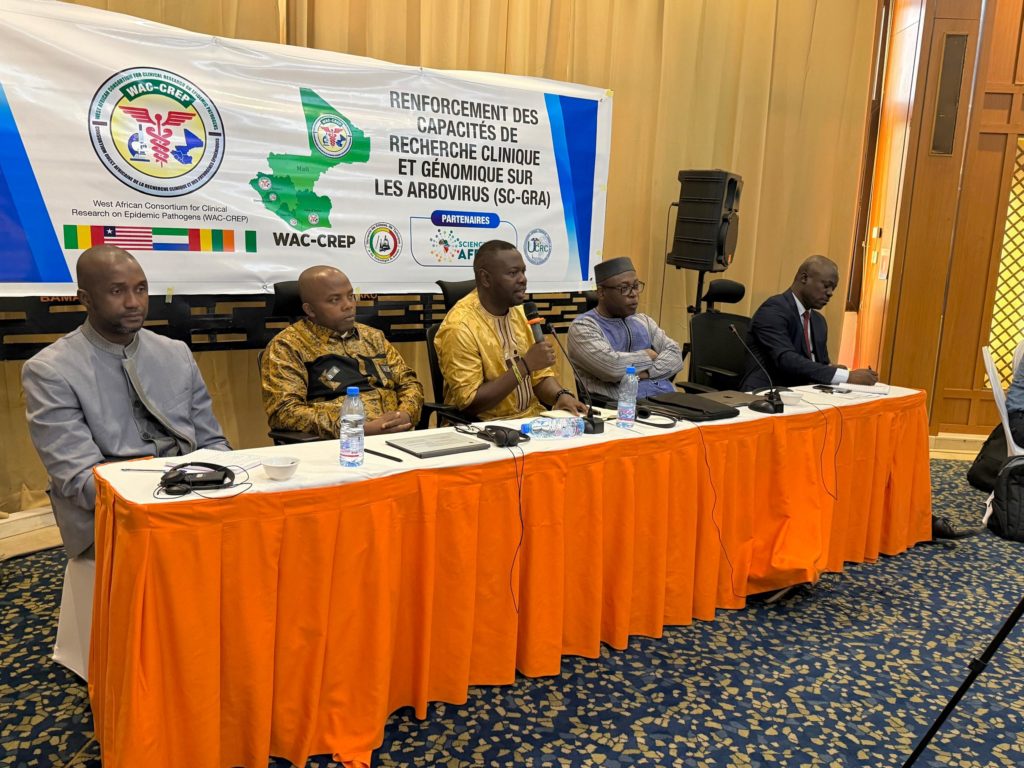
The University of Sierra Leone (USL) is set to play a key role in a major regional initiative aimed at strengthening scientific, clinical, and genomic research on arboviruses across West Africa.
The initiative is also aimed at strengthening training and research capacities in the region with the goal of enhancing preparedness and response to emerging and re-emerging infectious diseases
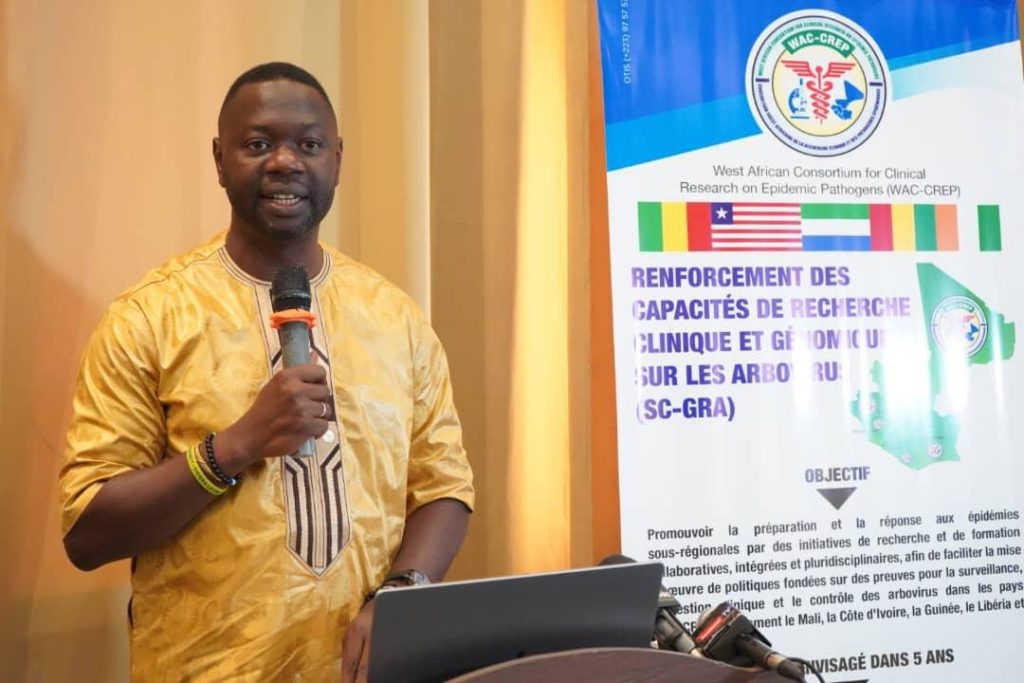
Dr. Alhaji U. N’jai, Principal Investigator of the Strengthening Clinical and Genomic Research Capacity on Arbovirus (SC-GRA) project in Sierra Leone, is leading the role of US in the initiative; he hailed the West African Consortium for Clinical Research on Epidemic Pathogens (WAC-CREP) for spearheading the collaborative scientific effort across five countries: Sierra Leone, Guinea, Liberia, Côte d’Ivoire, and Mali.
The initiative seeks to enhance regional capacity in clinical and genomic research on arbovirus diseases, while fostering stronger collaboration among higher education institutions, research bodies, and policymakers across Africa and beyond. It also aims to promote world-class, innovative research that translates into practical, locally relevant solutions to strengthen pandemic preparedness and health systems in the region.
This programme is supported by the Africa Pandemic Sciences Collaborative, which is a partnership between the Science for Africa Foundation, the Pandemic Sciences Institute at the University of Oxford, and MasterCard Foundation.
A major component of the initiative is the development of young African scientists through targeted training and mentorship, equipping them with the skills needed to respond effectively to current and future epidemics.
Speaking at the project’s inception meeting held in Bamako, Mali, on Tuesday, April 7, 2026, Dr. N’jai described the initiative as a “game changer” not only for West Africa but for global health as a whole.
“What we have here is a collective effort that goes beyond the five countries involved. The work we are doing is about preventing pandemics on a global scale,” he said.
Reflecting on recent health crises such as Ebola, COVID-19, Mpox, and emerging threats like Marburg and arboviruses, Dr. N’jai emphasized the importance of proactive approaches to disease prevention.
“We have faced significant challenges during past outbreaks, and those challenges persist. This initiative is about thinking ahead of these pathogens—being proactive rather than reactive,” he stressed. He further called for sustained support and collaboration from national governments, universities, and public health institutions to strengthen leadership, preparedness, and response systems across the region.
The programme is supported by the Africa Pandemic Sciences Collaborative, which is a partnership between the Science for Africa Foundation, the Pandemic Sciences Institute at the University of Oxford, and MasterCard Foundation. Image, Patricia Conteh.
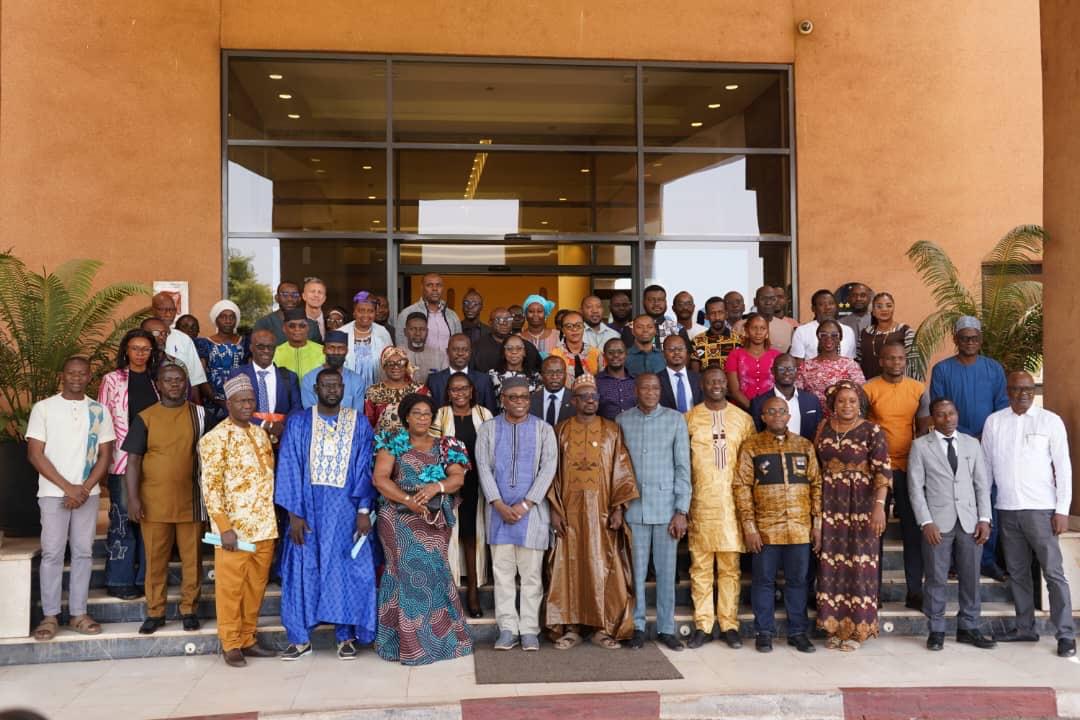
The launch meeting brought together project investigators, coordinators, and stakeholders from all five partner countries to formally kick-start project activities, align implementation strategies, and deepen institutional collaboration.
In the course of the four-day (April 7th to 10th) deliberations, participating teams presented their project goals, work plans, and governance structures. Activities also included training sessions, technical discussions, and coordination of research and genomic capacity-building efforts.
With Africa experiencing over 100 disease outbreaks annually, this initiative underscores the urgent need for workforce development, stronger engagement with policymakers, and coordinated regional responses to emerging health threats.
The world, and Africa in particular, continues to experience outbreaks of infectious diseases with epidemic and pandemic potential, triggered and intensified by climate change, biodiversity loss, migration, displacement, and conflict. Increased and routine interactions between humans and animals – often driven by livelihood dependencies – create conditions for the spillover of pathogens.
Sierra Leonean delegates headed by Dr Alhaji Umar N’jai at the just concluded four-day meeting on efforts to strengthen scientific, clinical, and genomic research on arboviruses across West Africa in Bamako, Mali. Image, Patricia Conteh.
In February 2025, there were 54 active outbreaks, and there are 82 ongoing public health events across the continent. The high volumes of annual disease outbreaks on the continent underscores the urgency for scientific collaboration, health workforce development, stronger linkages with decision-makers, and coordinated preparedness and response. But despite representing approximately 17 percent of the global population, the continent produces only one to two percent of global health research publications, and there is an urgent need for sustainable funding to support career development.
Over the next six years, the Africa Pandemic Sciences Collaborative will strengthen partnerships between higher education and research institutions and policymakers in Africa and beyond to develop a thriving research ecosystem. The Collaborative will support institutions in conducting world-class, innovative research and in translating findings into impactful, locally relevant solutions that contribute to shaping and strengthening pandemic resilience and the broader health ecosystem.