





By Kemo Cham
The Sierra Leone government has expanded drug and substance abuse rehabilitation services to two more districts, with the inauguration of new centers over the weekend.
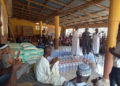
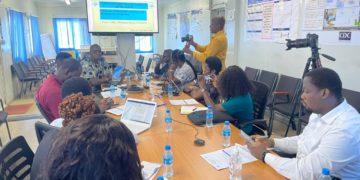
The National Taskforce on Drug and Substance Abuse commissioned the newly constructed facilities in Kono and Makeni on Friday and Saturday, respectively, bringing to five the total number of such facilities established nationwide as part of the government’s response to the drug epidemic in the country.
Sierra Leone has been battling the drug and substance abuse crisis over the last five years, but the efforts intensified beginning 2024 following escalation of drug intake, especially among young people. President Julius Maada Bio in April 2024 declared a national health emergency on drug and substance abuse amid public outcry over the impact on youths.
At the center of the crisis is a substance called Kush, a cannabinoid based drug, which has been ravaging its users and causing numerous deaths and mental health issues.
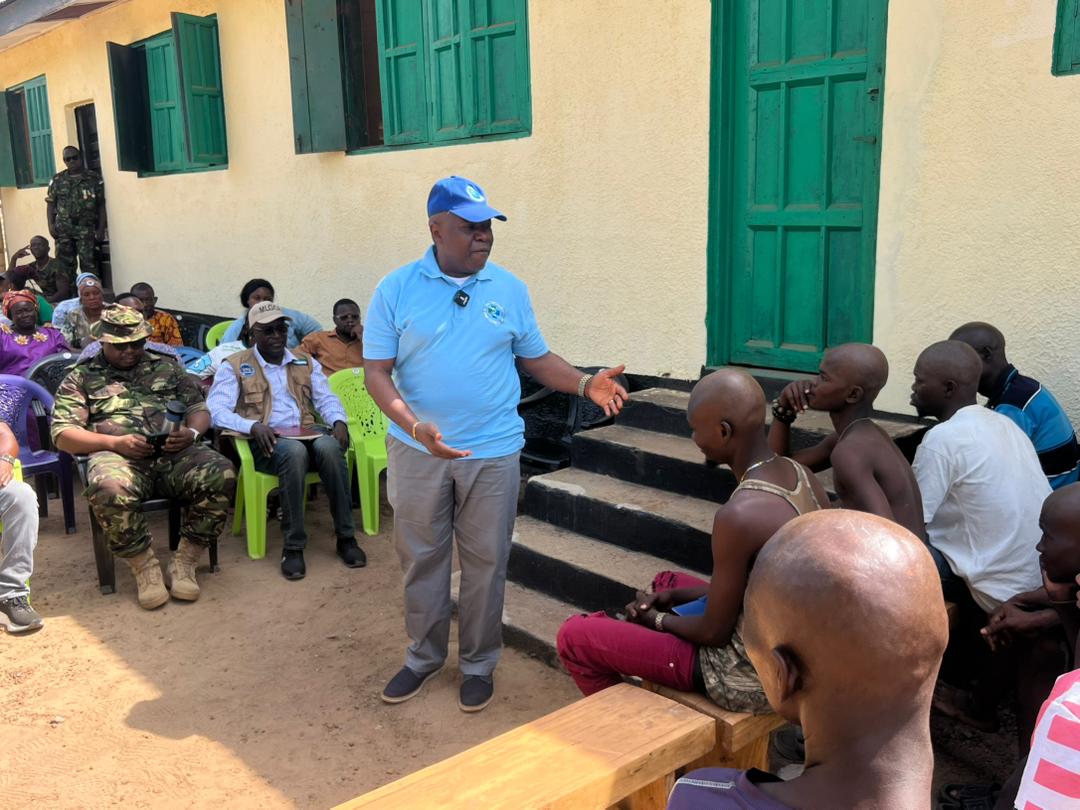
Prof. Foday Sahr, Executive Director of the National Public Health Agency (NPHA), who chairs the National Taskforce established by President Bio to tackle to crisis, in a statement at the Makeni inauguration ceremony underscored the government’s unwavering commitment to safeguarding the nation’s youth and tackling the “escalating” challenge of substance abuse, according to a news alert from the NPHA shared with ManoReporters.
According to the Taskforce, the rehabilitation centres are fully funded and managed by the Government, reflecting a sustained national response to the crisis.
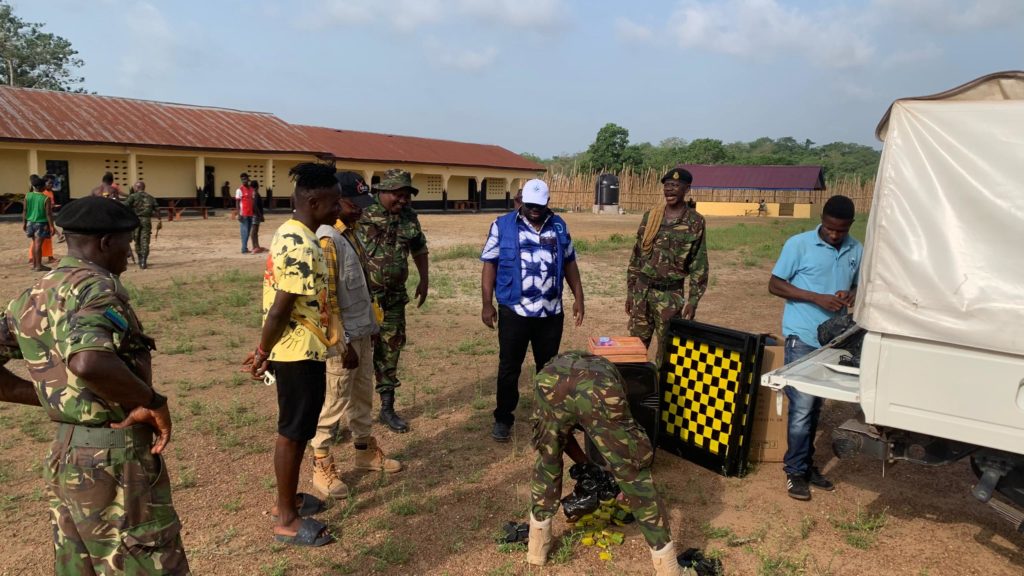
The Makeni Rehabilitation Centre for victims of drug and substance abuse, as it is called, is housed within the Teko Military Barracks in Makeni City. And the Centre in Kono, which consists of 50 beds, is housed within the 9th Battalion Military Barracks in Koidu.
Officials say the first cohort of beneficiaries in both centers will undergo a two-month mandatory rehabilitation programme, complemented by structured aftercare support aimed at minimising relapse. Officials also assured the beneficiaries and their families of the government’s commitment to ensuring quality care and service delivery at the facilities, according to the news alert.
The Ministry of Social Welfare is charged with overseeing the provision of welfare services and psychosocial support for the inmates, while the Ministry of Local Government will play a pivotal role in strengthening community engagement and coordinating local-level interventions.
This, according to the Taskforce, underscores the importance of sustained multi-sectoral collaboration in ensuring the effective implementation and long-term sustainability of the response. In Makeni, Margaret Dumbuya, a parent of one of the beneficiaries, expressed profound appreciation to the Government for establishing the centre. She noted that substance abuse continues to devastate families across the country, with many parents particularly mothers bearing the emotional burden daily.