





By Kemo Cham
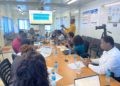
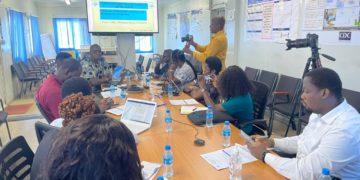
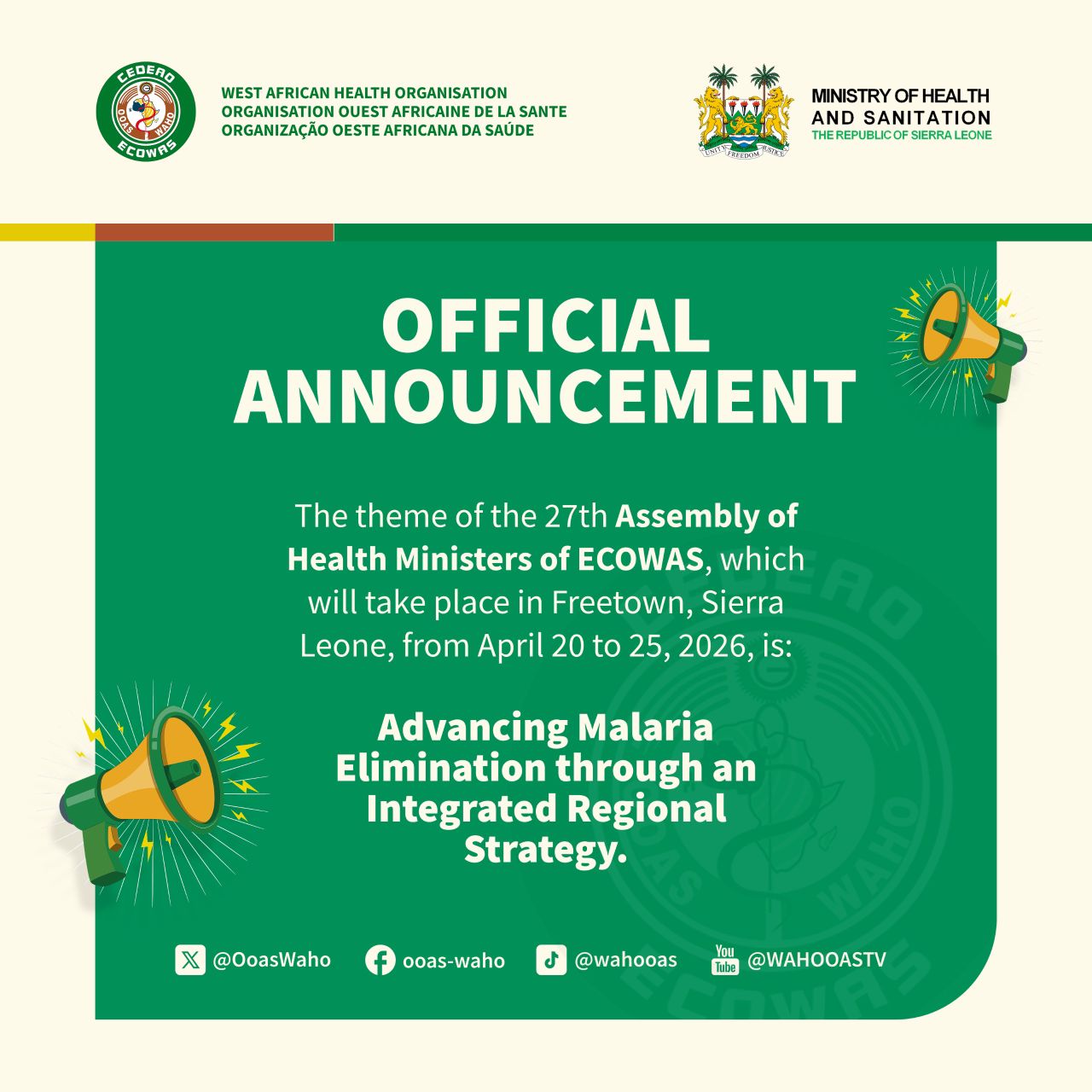
Efforts to eradicate malaria will be at the center of discussions by Health Ministers from West Africa this week in Freetown, as Sierra Leone hosts the 27th Ordinary Session of the Assembly of Health Ministers from the Economic Community of West African States (ECOWAS).
This high-level meeting, which runs from April 20–25, is being held on the theme “Advancing Malaria Elimination through an Integrated Regional Strategy” to strengthen regional health cooperation and address critical public health challenges. It brings together health leaders, policy experts, and partners across the sub region, to ensure a resilient and harmonized approach to health security in the region.
The West African Health Organisation (WAHO) is hosting the annual event in collaboration with the Ministry of Health of Sierra Leone. WAHO said the theme highlights the need to combat malaria through coordinated, evidence-based approaches.
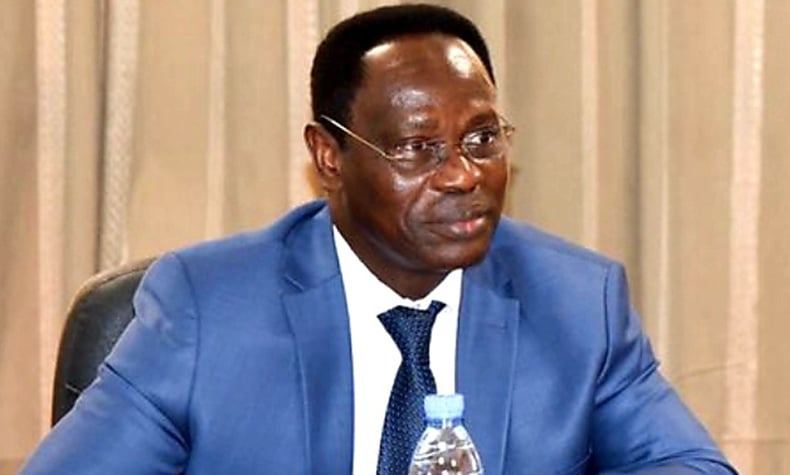
WAHO is the specialised institution of ECOWAS responsible for health issues. And this annual meeting, which represents the highest regional political platform for guiding health cooperation within the ECOWAS Community, provides the agency with a strategic forum to review progress made by Member States and regional institutions, strengthen regional collaboration, and adopt key decisions and resolutions aimed at improving the health and well-being of the populations of West Africa.
Several high-level regional events were scheduled to take place in the course of the six-day event in Freetown, all geared towards enriching ministerial discussions and addressing other critical health priorities in the region. They include a meeting on Adolescent Sexual and Reproductive Health, as well as a dialogue on Health Financing in West Africa.
“The Assembly of Health Ministers represents the highest political decision-making and strategic guidance body for health within the ECOWAS region. It offers Member States a unique opportunity to reinforce their collective commitment, mobilise resources, and accelerate progress towards more resilient and equitable health systems for the benefit of the people of West Africa,” Dr Melchior Athanase J. C. AÏSSI, Director General of WAHO, is quoted in the statement. He underscored the significance of the meeting for the future of public health in West Africa, noting that regional cooperation remains essential to addressing cross-border health challenges, including epidemic-prone diseases, the health impacts of climate change, and the growing need for sustainable health financing.
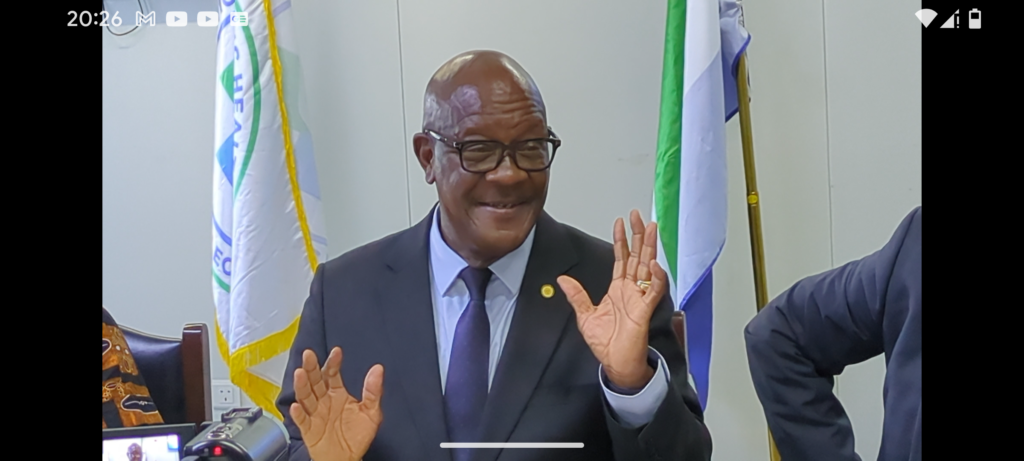
For Dr Austin Demby, Minister of Health in Sierra Leone, the country intends to use the event as an opportunity to strengthen regional health cooperation, promote evidence-based policymaking, and accelerate the implementation of high-impact interventions, particularly in maternal and child health and the fight against communicable diseases.
“Sierra Leone is honoured to host the 27th Assembly of Health Ministers of ECOWAS,” he said.
“We hope this gathering will be more than a conference; it should serve as a platform for concrete commitments and coordinated actions to sustainably improve the health of West African populations.”
The Freetown confab is set to coincide with World Malaria Day on 25 April, providing an important opportunity to reinforce political commitment and regional mobilisation to accelerate malaria elimination efforts, WAHO said.
Malaria remains one of the most pressing public health challenges across the ECOWAS region. Each year, the region records more than 112 million malaria cases and over 310,000 deaths, according to data shared by WAO, which notes that children under five and pregnant women are disproportionately affected by the parasitic disease.