




By Kemo Cham
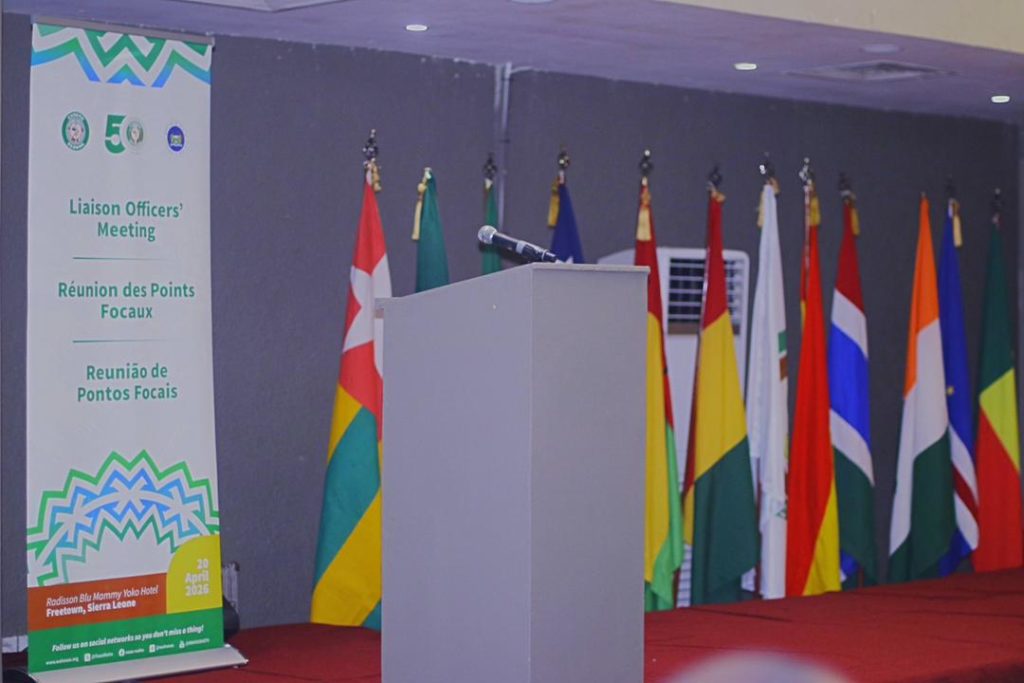
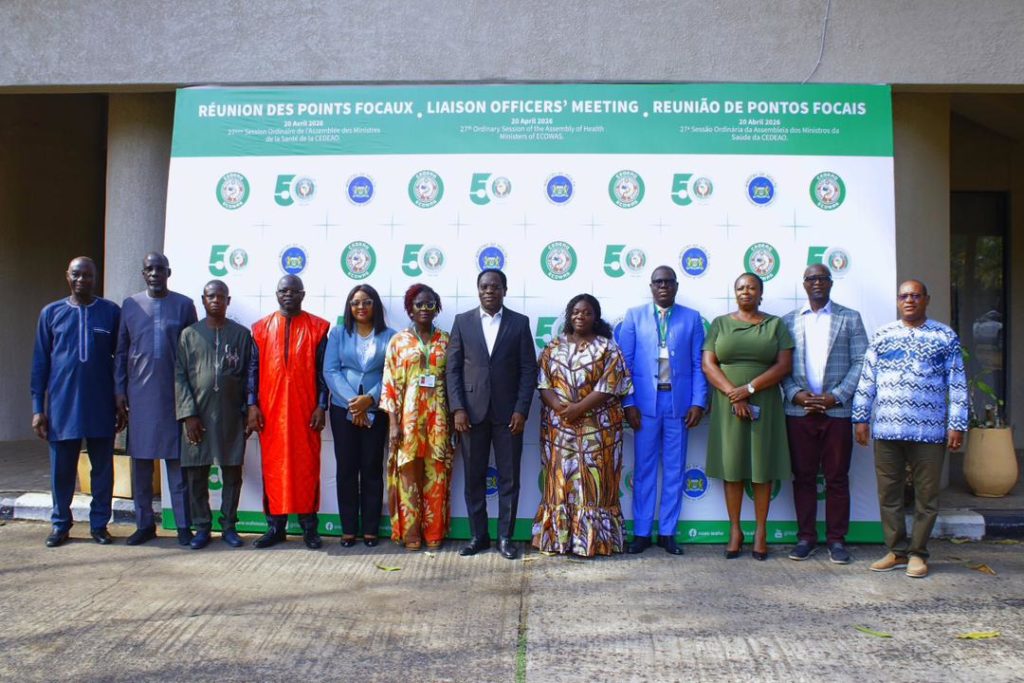
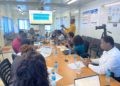
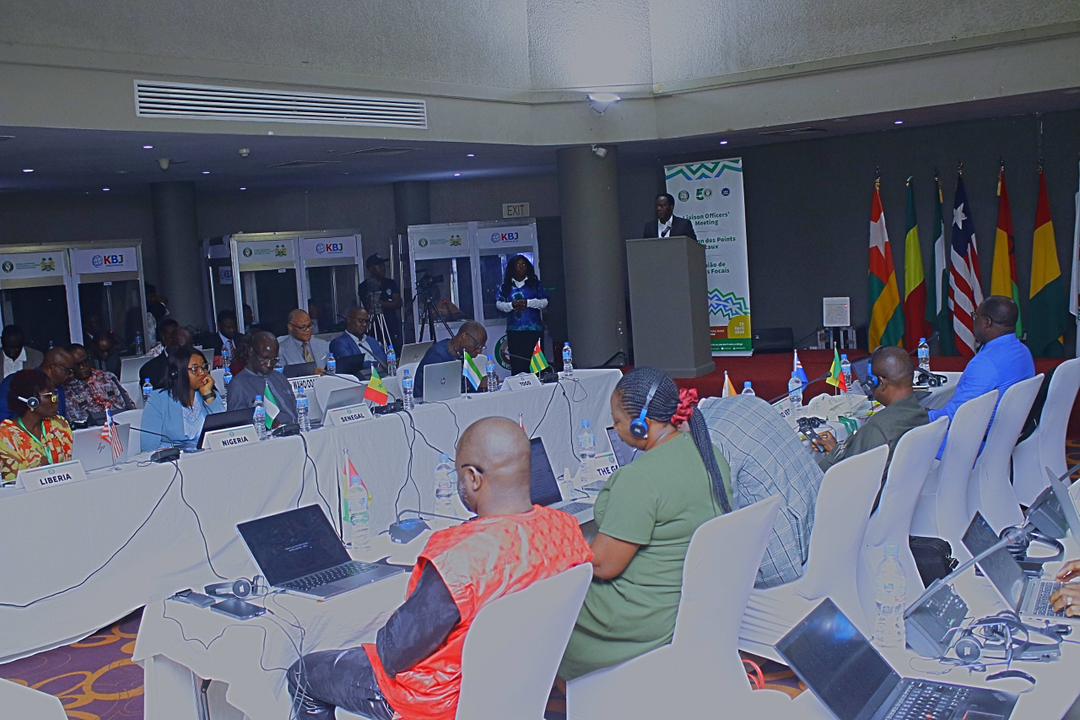
The 27th Ordinary Session of the Assembly of Health Ministers of the Economic Community of West African States (ECOWAS) commenced in Freetown on Monday with a meeting of the Liaison Officers of the West African Health Organization (WAHO).
The meeting marks the first in a series of statutory engagements to be held in the next five days as part of the annual health ministers meeting organized by WAHO. The Liaison Officers are senior officials from the Ministries of Health of ECOWAS Member States. They play a vital role in the implementation of the agency’s activities at national level, ensuring coordination with Ministries of Health and monitoring the implementation of regional decisions.
The high-level ministerial meeting, which runs from April 20–25, is being held on the theme “Advancing Malaria Elimination through an Integrated Regional Strategy” to strengthen regional health cooperation and address critical public health challenges. It brings together health leaders, policy experts, and partners across the sub region, to ensure a resilient and harmonized approach to health security in the region.
Monday’s meeting, which was also attended by WAHO Programme Officers, was geared towards assessing progress made in 2025, and to share experiences and define strategic priorities for the sub regional agency’s 2026 activities. It is part of its mandate of strengthening the coordination of public health interventions across the region.
Mrs Magdalene Harding, Liaison Officer of Sierra Leone and Chairperson of WAHO Liaison Officers, is quoted in a news release from WAHO Communications unit commending the strong commitment of her colleagues and highlighting the importance of open dialogue, regional solidarity, and sustained collaboration in addressing public health challenges in West Africa.
WAHO Director General Dr Melchior Athanase J. C. Aïssi in a statement at the event warned that despite the progress achieved in healthcare, West Africa continues to face structural challenges, including inequalities in the coverage of essential interventions, limited sustainable financing, and emerging threats such as resistance to treatments. Dr Aïssi therefore called for a coordinated and integrated regional approach based on the harmonisation of policies, strengthened epidemiological surveillance, data sharing, and enhanced cross-border cooperation, stressing that only joint and innovative action will ensure sustainable results and advance malaria elimination in the region.
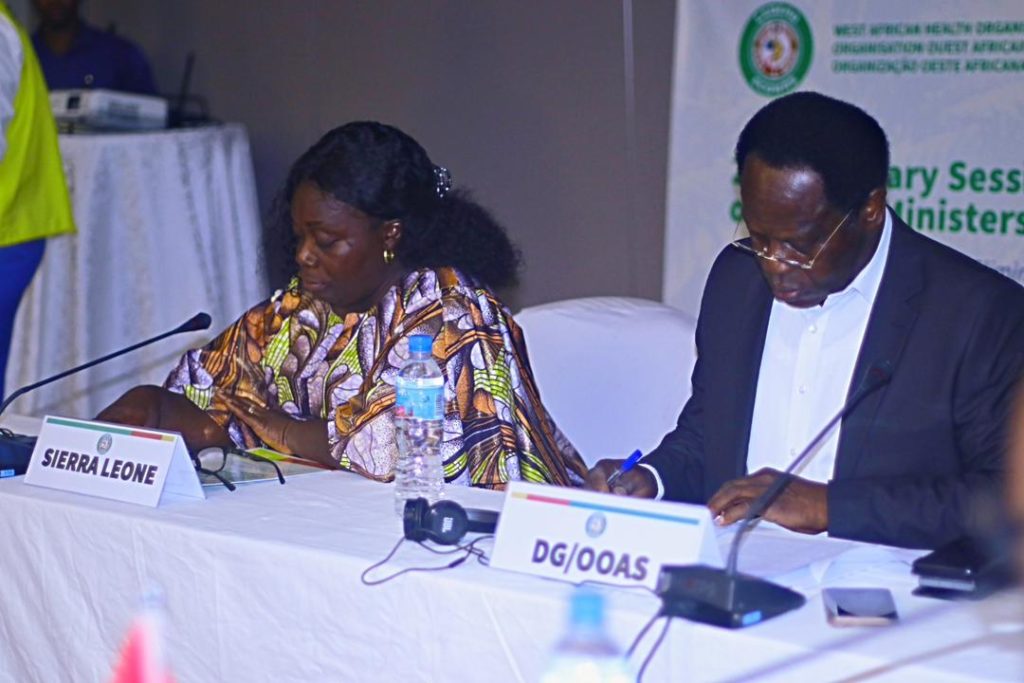
Dr Aïssi is also quoted commending the Liaison Officers for their “significant” contributions in 2025, particularly their role in the finalisation of key strategic and operational documents for community health, as well as their involvement in the recent launch of the regional community health policy and its implementation guidelines.
The WAHO Director General stressed the strong linkage between the theme of this year’s Assembly of Health Ministers of ECOWAS and the effective implementation of the regional community health policy, emphasising that a substantial part of malaria elimination efforts must take place at community and household levels.
He therefore entreated the Liaison Officers to demonstrate innovation and remain fully engaged in supporting national health systems to align with the regional community health policy, with a view to reducing morbidity and mortality not only from malaria but also from other diseases, and to ensure the effective implementation of the regional malaria elimination framework across the ECOWAS region.
The Liaison Officers are expected to review the status of implementation of the 2025 recommendations, present annual country activity reports, and define joint priorities and actions for 2026.