






By Kemo Cham
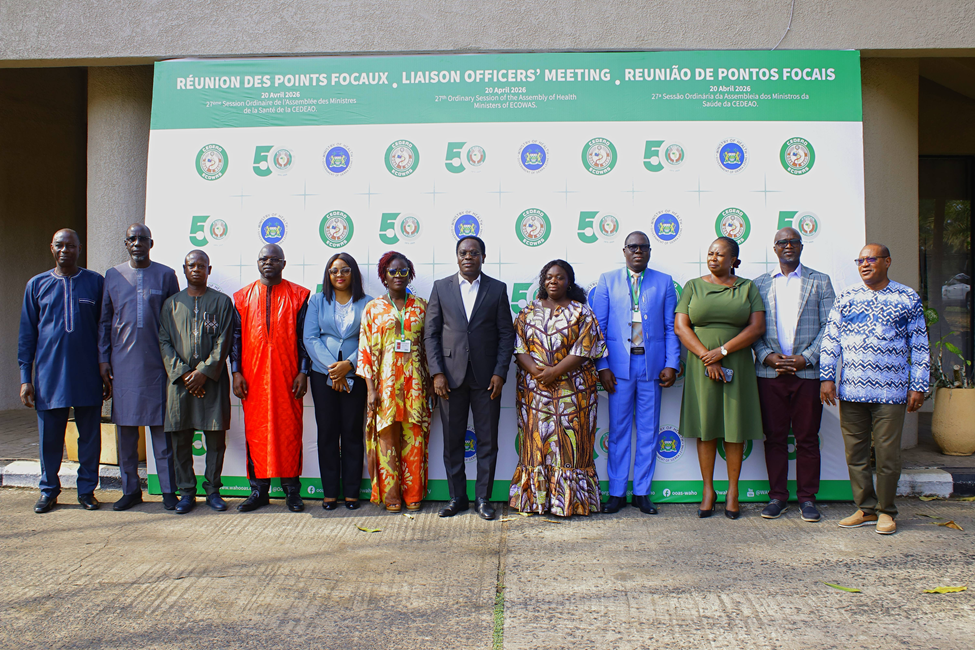
Minister of Health Dr Austin Demby has said that hosting the 27th Ordinary Session of the Assembly of Health Ministers of the Economic Community of West African States is a “national honor”. He also said that the move was a clear demonstration of the government’s commitment to addressing public health challenges, especially malaria, which is the dominant subject of the regional meeting ongoing in Freetown.
“Sierra Leone intends to maximize this historic moment to strengthen policy and improve the implementation of high-impact interventions, particularly in maternal and child health outcomes,” he stated.
According to the Health Ministry, over 500 delegates are attending the event; they include Health Ministers of member states of ECOWAS, partners and experts.
The Assembly is being convened on the theme: “Advancing malaria elimination through an integrated regional strategy”
Several side events involving expert deliberations are on the agenda in the course of the weeklong meeting (April 20th to 25th), including the operationalisation of the Regional Community Health Policy. Delegates will also share experiences and formulate recommendations on strategic issues, including epidemic surveillance, preparedness and response, the regional dialogue on HIV/AIDS, and initiatives to combat Lassa fever.
The meeting will culminate in the development and adoption of the Freetown Charter.
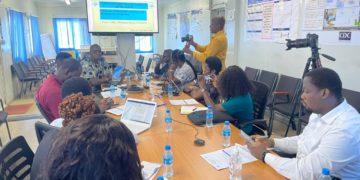
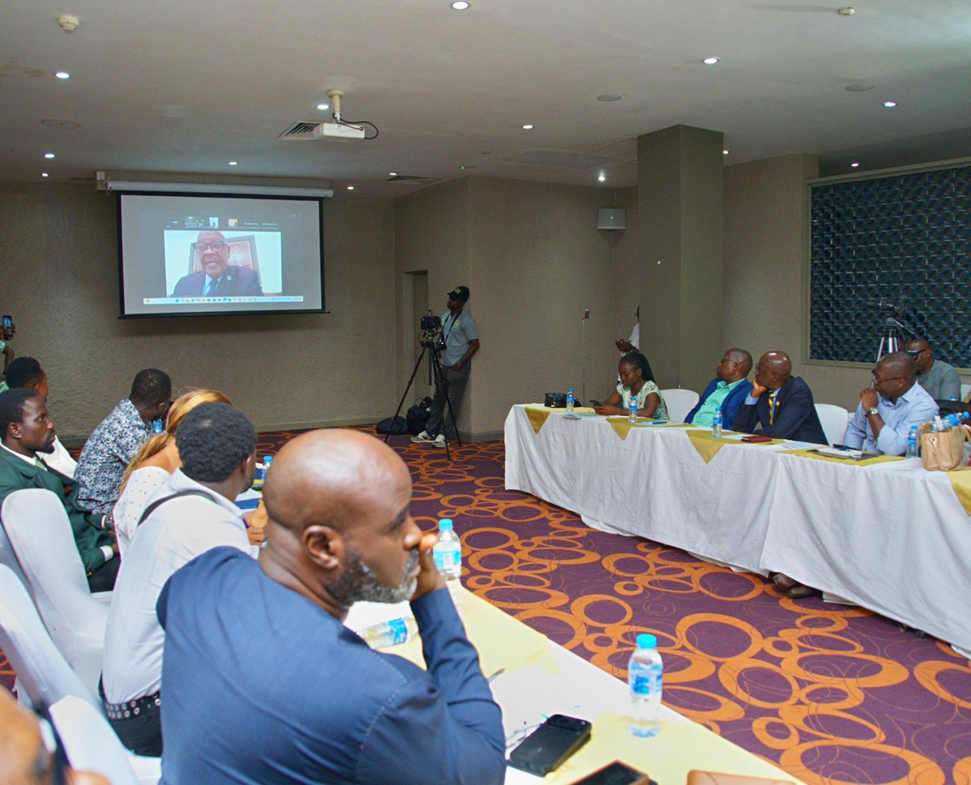
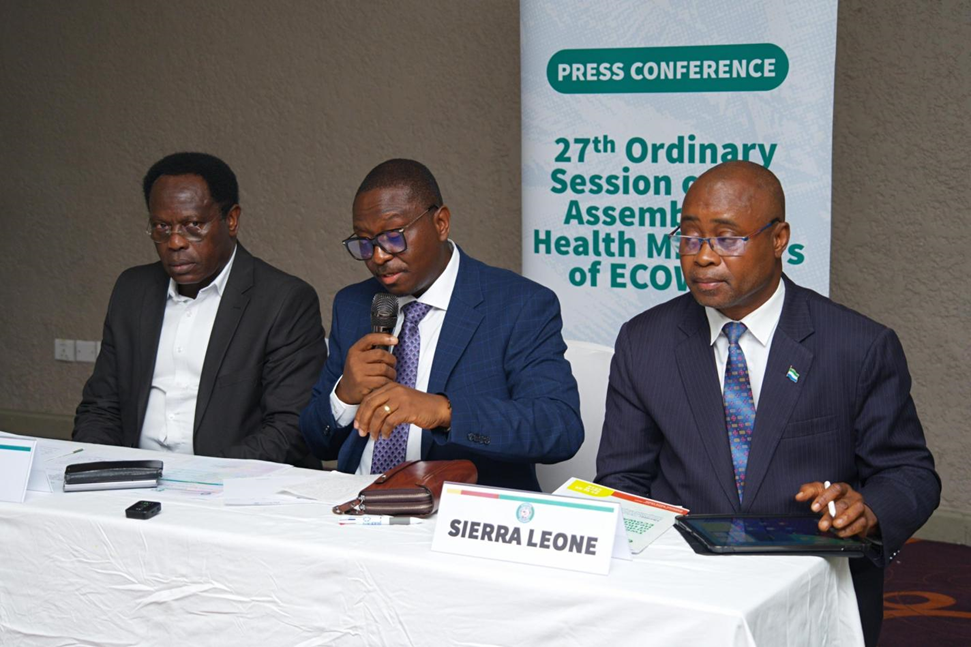
On Tuesday, Dr Demby addressed fellow health ministers in a press conference jointly hosted by the Ministry of Health and WAHO on the sidelines of the event at the Radisson Blu Mammy Yoko Hotel. He expressed optimism that the conference will serve as a platform for concrete commitments and coordinated actions to sustainably improve health outcomes of West Africans.
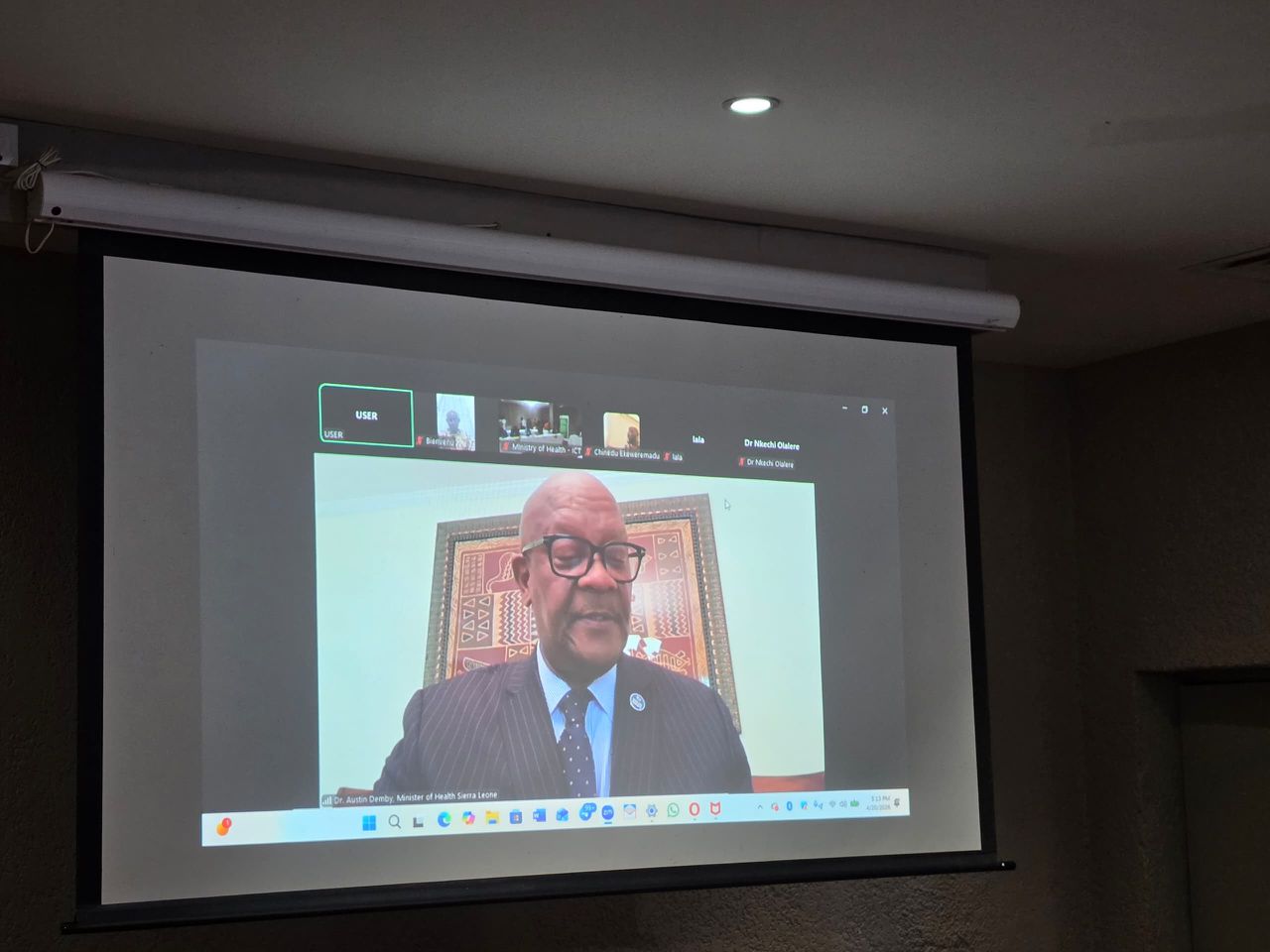
Demby was speaking via a video conferencing from Washington, where he is said to be on an official mission.
Sierra Leone is hosting the gathering for the first time in fifteen years.
WAHO Director General Dr Malchior Athanase Aissi stressed the relevance of full implementation of major healthcare conventions related to disease control, particularly malaria prevention, which, he said, is at a critical crossroads.
“It is important for us to reconvene to consolidate our achievements and define our next steps,” he said in a statement at the official opening of the event on Monday.
He added: “Malaria continues to impose a heavy burden on health systems and economies at both national and household levels.”
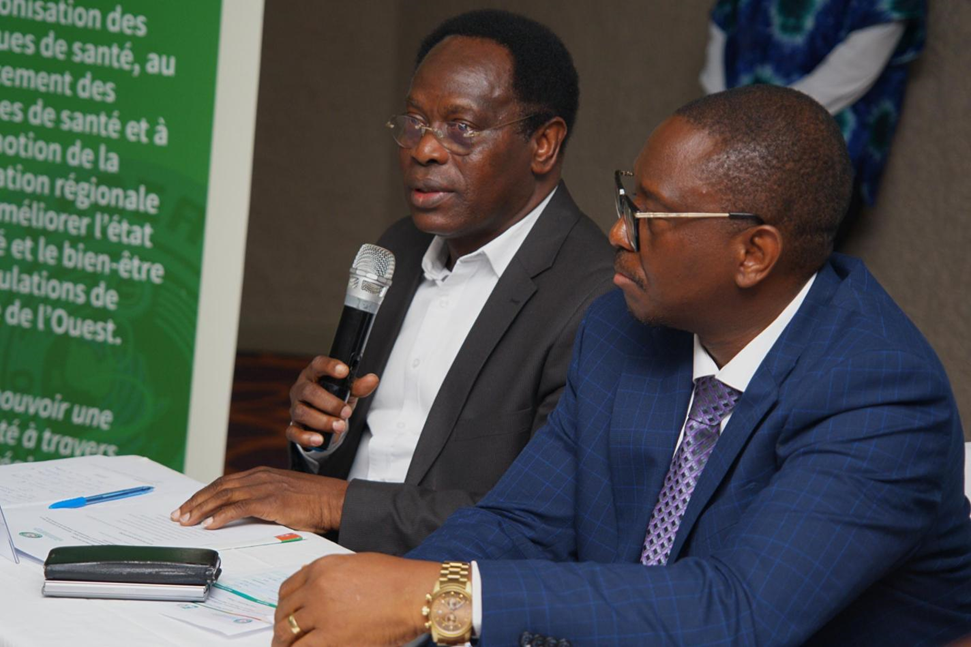
At the press conference, Dr Aïssi emphasised that the Assembly represented one of the highest political decision-making platforms on health in the sub region, noting that it offers member states a strategic opportunity to harmonise policies, strengthen commitments and take concrete action to improve population health.
The DG further stressed that malaria elimination requires a collective, coordinated and sustainable response grounded in regional solidarity, noting that diseases do not know borders. He also underscored the importance of mobilising domestic resources and promoting innovative approaches to ensure lasting impact.