


By Kemo Cham in Bo
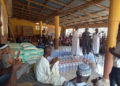
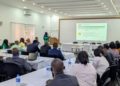
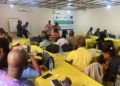
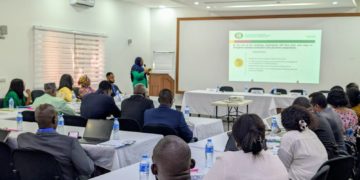
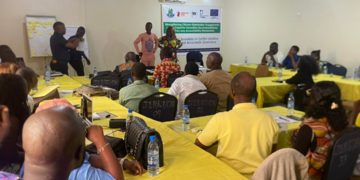
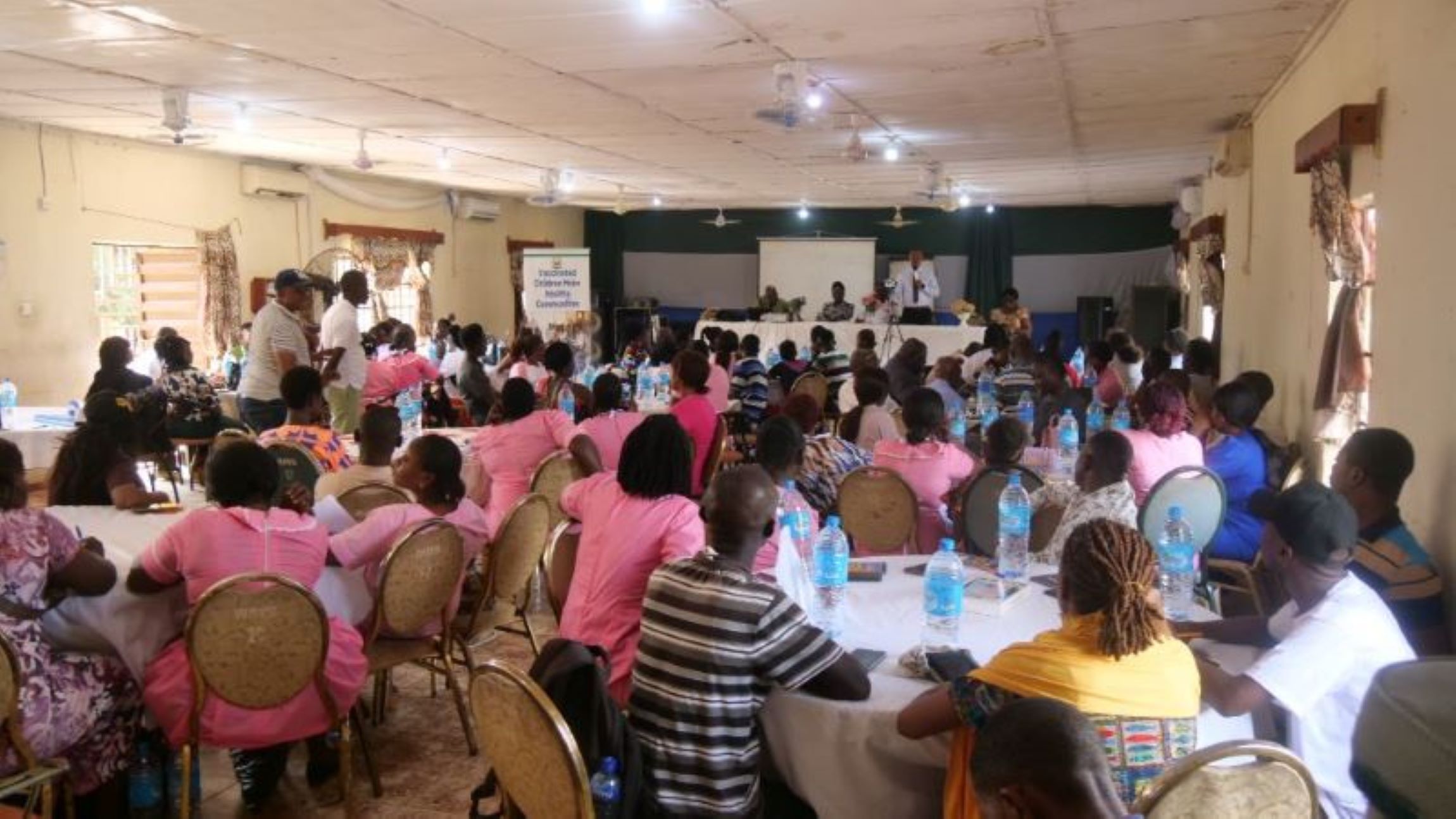
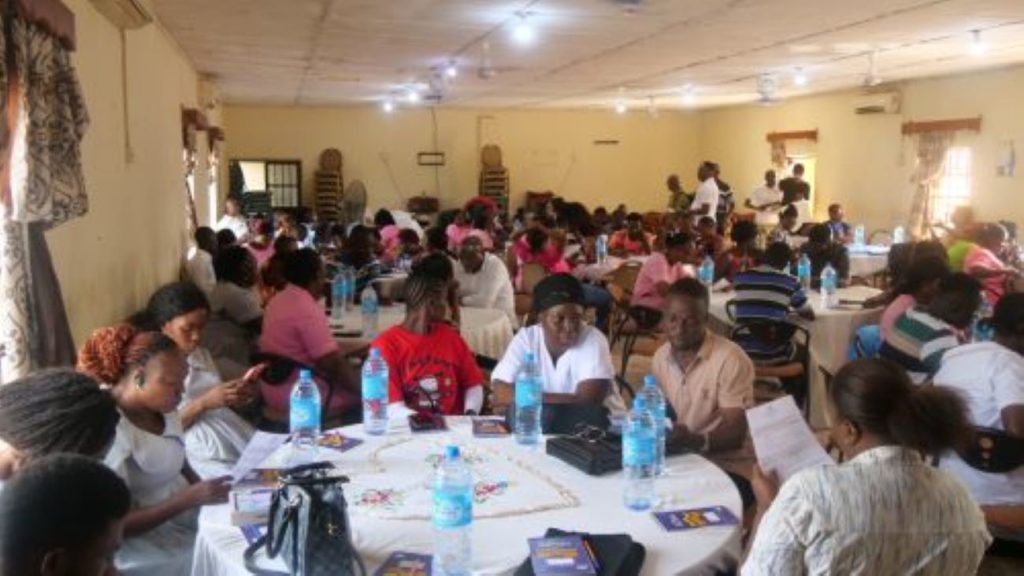
As part of efforts to increase childhood vaccination coverage in Sierra Leone, FOCUS 1000 on Wednesday commenced a two-day training for healthcare workers and community mobilizers.
A total of 600 participants are taking part in the exercise that is simultaneously going on in six districts across the country – Western Area Rural, Bo, Kenema, Pujehun, Moyamba and Bonthe. These constitute districts where the NGO is implementing the GAVI-funded ‘Sierra Leone Integrated Routine Immunization – Safeguarding Lives Through Vaccination’ initiative. This project was designed to increase vaccination uptake, particularly targeting zero dose children and those who have missed out on some other doses.
The project which initially ran from January to December 2025, was extended for three more months, ending in March, 2026.
Patrick Fayia Mansaray, Chief of Field Operations at FOCUS 1000, said this second phase is intended to bridge gaps realised during the implementation of the first phase.
“Routine immunization is one of the most cost-effective public health interventions in this country, which helps to reduce morbidity and mortality,” Mansaray said in a statement at the official launch of the training in Bo City, southern Sierra Leone.
The training is designed to strengthen the capacity of front line health workers and community actors, and providing them with tools to raise more awareness in communities as part of efforts to reach more children with the lifesaving vaccines. The trainees are expected to reach out to paramount chiefs and other influential people in communities to increase acceptance.
Mr Mansaray said over the course of the last year of the project, several areas within the target districts were left out, citing hard-to-reach communities and slums, as well as vulnerable populations like sex workers and people living with disabilities. He also noted the absence of gender considerations in vaccination exercises.
“We see all of these as gaps. So we are now including gender sensitivity into the process,” he said, adding: “We are also looking at nomadic people and marginalized communities. When such communities miss out, the kids there are prone to die.”
According to Mansaray, FOCUS 1000 and its partners, including the Ministry of Health, identified certain barriers during the first phase, like geography, social exclusion, stigma and misinformation as stifling efforts at wider coverage.
“Gender norms also restricts caregivers, especially women, from taking their kids for vaccination. There is also insufficient engagement of influential traditional and political leaders in demand creation,” he said.
A major focus of the training is the phenomenon of Adverse Event Following Immunization (AEFI). Officials say in Bo in particular, there have been very little or no reporting on AEFI cases. This, they note, could either be because people are not realizing it or the health workers don’t know how to identify and report them.
“When children are immunized, it is like when a farmer has protected its farm with fence. That’s the vaccination of children. It is the immunization, to protect them against diseases,” said Vandi Kabba, Social Mobilization Officer at the Bo District Health Management Team (DHMT).
Sr Theresa M. Boima, Senior Nurse Specialist at the Expanded Programme on Immunization (EPI) in the Ministry of Health, said Sierra Leone had made so much progress in immunization that it must ensure to main the trend.
“Under the current programme manager, we have done so well in immunization that most of our antigens are above 95 percent,” said Nurse Boima. “We want to sustain and maintain that coverage. We want to ensure that no child is left behind.”
Francis P. Lansanah, also from the Bo DHMT, lamented that the number of children missing out on crucial doses of vaccines poses major public health threat.
“Data shows that over 3,000 children haven’t received measles vaccination second dose, for instance,” he said. “Repetition of this can lead to outbreak of measles.”
Ellen Yeama Moseray, Nursing Officer, EPI, urged participants to work for God and their conscience. She also spoke about the importance of ensuring proper documentation in the immunization process.
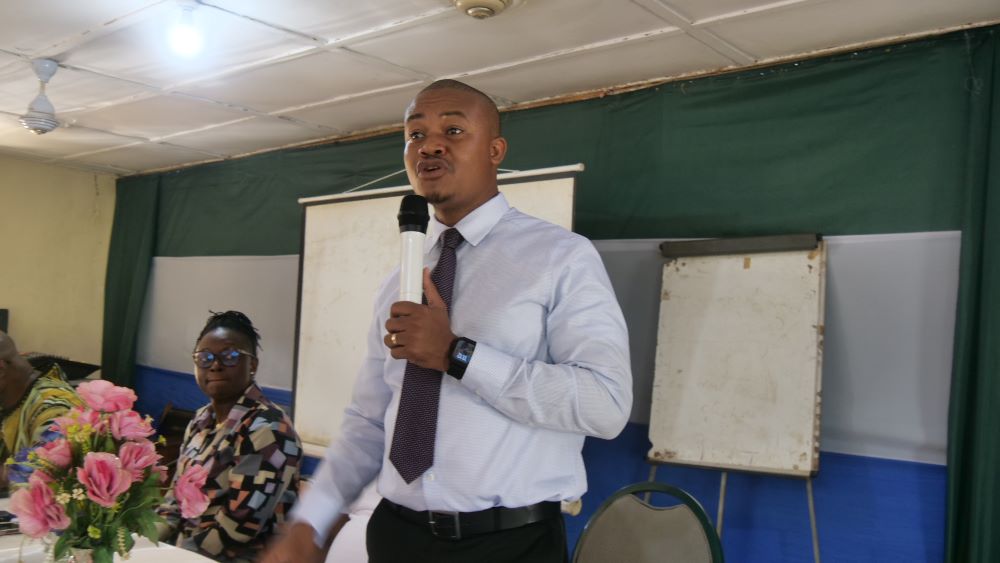
Dr. Amara Stevens Ngegbai, District Medical officer for Bo, praised FOCUS 1000 for its support to the Health ministry, especially in efforts to increase vaccination coverage. Image, Kemo Cham, ManoReporters.
Dr. Amara Stevens Ngegbai, District Medical officer for Bo, praised FOCUS 1000 for its support to the Health ministry, especially in efforts to increase vaccination coverage. He said for an organization to attract funding at a time like this, when the global funding environment is tight, it must mean that they have demonstrated integrity.
Dr Ngegbai also emphasized the significance of strengthening capacity for vaccination efforts, noting that the size, complexity and dynamic nature of Bo District requires a “very smart” move to cover it.
“We have been working very hard as a district, but we are not there yet. We still have a lot to do. The staff are doing well, but they require support of partners,” he said.