


By Fatmata Sesay
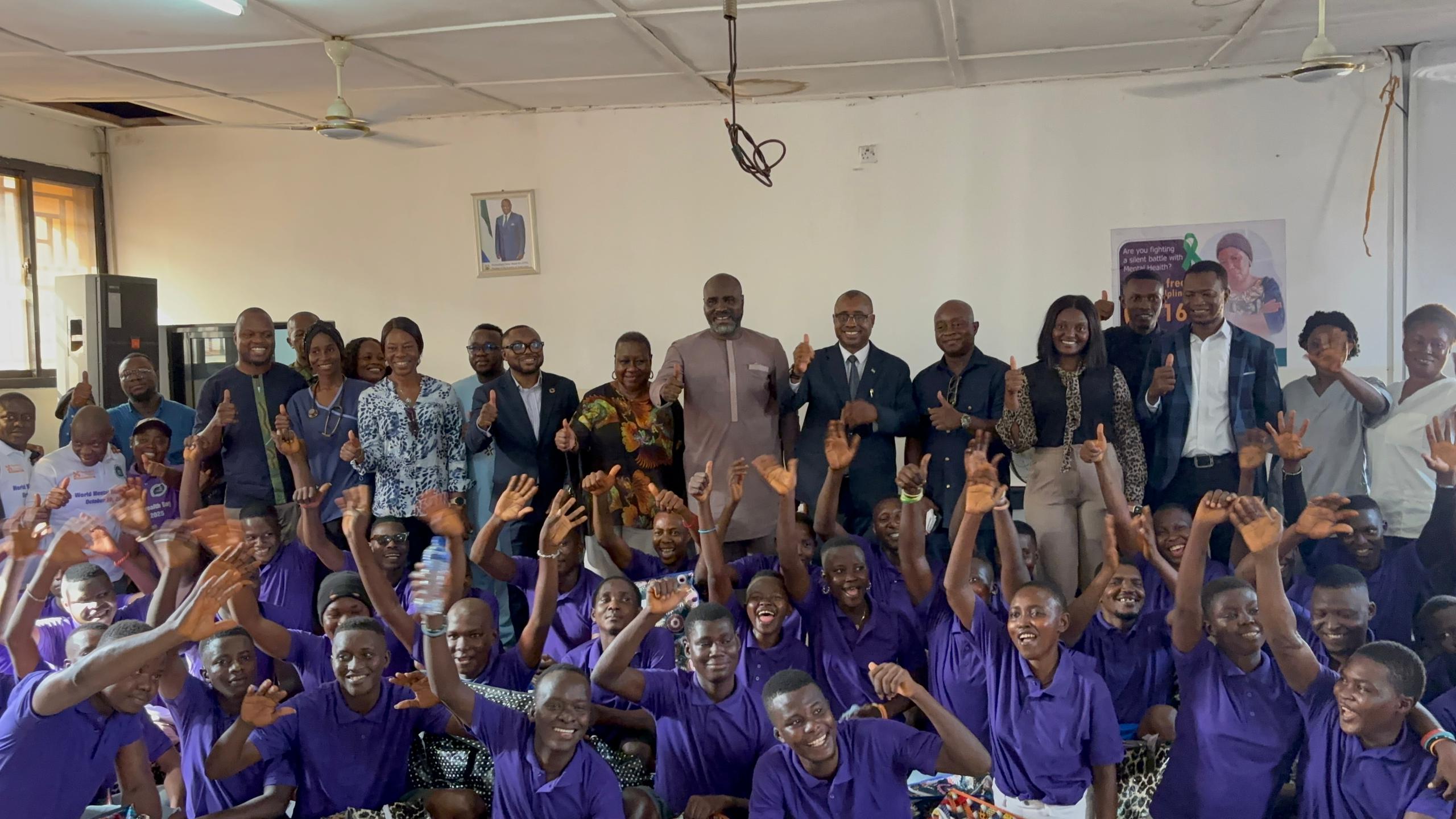
The Care and Treatment Pillar of the National Taskforce on Drugs and Substance Abuse has discharged 40 rehabilitated former drug addicts.
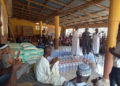
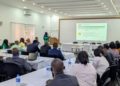
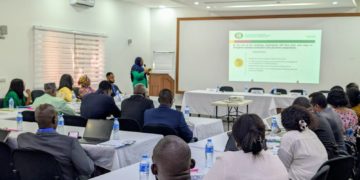
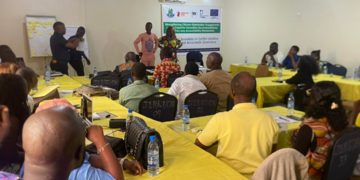
The discharge ceremony held at the Sierra Leone Psychiatric Teaching Hospital (SLPTH) on Thursday, 13th January, 2026, marked the latest milestone since the government launched renewed efforts in its fight against the drug crisis plaguing the country.
The former addicts were mostly homeless and shunned by family and friends when they were picked up at various locations in and around Freetown during an operation by the National Taskforce established by President Julius Maada Bio. Officials say many of them were found in critical conditions, and that they underwent nearly three months of intensive treatment and care as part of their rehabilitation process.
Dr Abdul Jalloh, Director of Non-Communicable Diseases and Mental Health in the Ministry of Health, said the operation launched in October was part of a change in strategy by government to focus on treatment, care, and rehabilitation, as the country confronts the growing challenge of drug abuse and its impact on mental health.
The drug crisis in Sierra Leone is a major public health emergency centered on the widespread abuse of various substances. But at the core of it is a cheap, and highly addictive synthetic drug known as kush, which has ravaged the country’s youth, with thousands of reported deaths. It prompted the government to declare a national emergency in April 2024.That led to the formation of the National Taskforce.
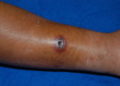
Dr Jalloh, who leads the Care and Treatment Pillar of the Taskforce that is headed by the Ministry of Health, said it prioritizes Kush users with severe wounds, serious medical conditions, and acute psychiatric challenges. Of the dozens of people reached during the operation, 40 initially met the criteria for admission under the programme, said Jalloh, who is also the overseer of the SLPTH. He said the patients were placed into a structured rehabilitation programme designed to address both their physical and mental health needs, noting that part of the treatment process focused on flushing drug cravings out of their systems, while providing comprehensive medical and surgical care.
The SLPTH team worked in partnership with Partners In Health (PIH), whose specialized medical team from Kono supported in wound management and surgical interventions.
Following admission of the addicts, social workers were also deployed to trace their families and inform them about the whereabouts of their relatives.
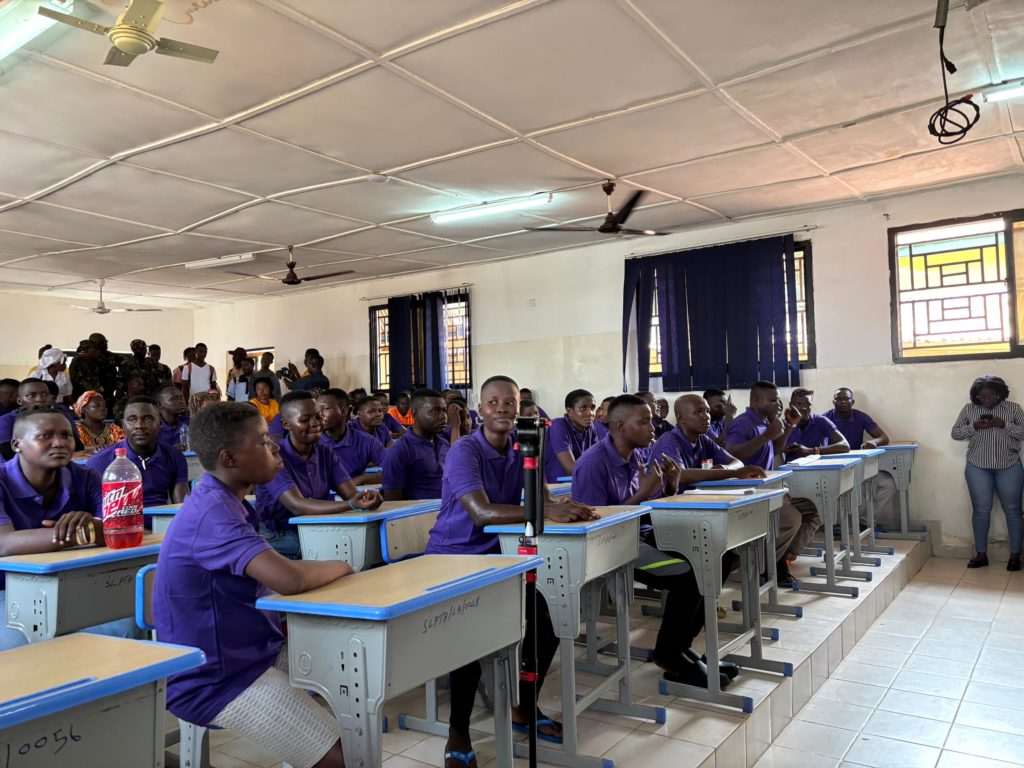
One of the rehabilitated ex-drug addicts, Matilda Isha Sheriff, spoke on behalf of her colleagues at the discharging ceremony, thanking doctors and nurses for their role in giving them a fresh start in life. She explained that during their stay at the facility, they were well cared for and fed up to five times a day. She praised the nurses, doctors, and other staff for working tirelessly to support their recovery.
Ms Sheriff revealed that at the time of her admission, she had severe wounds on her feet, with the flesh badly damaged to the extent that the bone was visible. According to her, many people had already lost hope that she would survive.
“For some of us, our families shunned us. My father got so angry with me he didn’t want to have anything to do with me,” she recalled.
She credited the medical team—particularly Dr. Jalloh and his colleagues—for their dedication and professionalism in the restoration of her health.
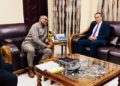
Deputy Minister of Health I Dr Charles Senesie, encouraged the ex-drug addicts to remain hopeful, describing their recovery as the start of a brighter future. He said the Health ministry was pleased to have helped remove them from the streets and placed them on a path to recovery.
Dr Senesie urged the rehabilitated former drug users to serve as ambassadors in the fight against Kush, and encouraged them to help discourage drug use among their peers. He stressed that their role goes beyond advocacy, calling on them to assist authorities in identifying individuals involved in the sale, supply, and importation of Kush into the country.
According to the Deputy Minister, while government’s approach begins with rehabilitating users, it will also target dealers, suppliers, and high-level importers of the drug.
“We are happy to have removed you from the danger zone, but all is not yet over. You have to continue serving as ambassadors and ensure you do not relapse,” Dr Senesie told the rehabilitated former drug users. “You know who sell the drugs. We will help you to identify them and as a government we will make sure to remove them out of business.”
The former addicts were presented with support packages and identification cards to aid their reintegration into society. Family members present were also engaged by officials, who encouraged them to accept and support their relatives and to refrain from stigmatizing them.
“This is a new beginning for these people,” said Ansu Konneh, Director of Mental Health in the Ministry of Social Welfare, which leads the Rehabilitation and Reintegration pillar of the Taskforce.
“Don’t remind them of the past. The past is gone. As parents you have a lot of role to play after today, you have to support them,” he stressed.