


By Kemo Cham
Sierra Leone on Monday declared its Mpox epidemic over, after two years of a health emergency that witnessed over 5,000 cases and 60 fatalities.
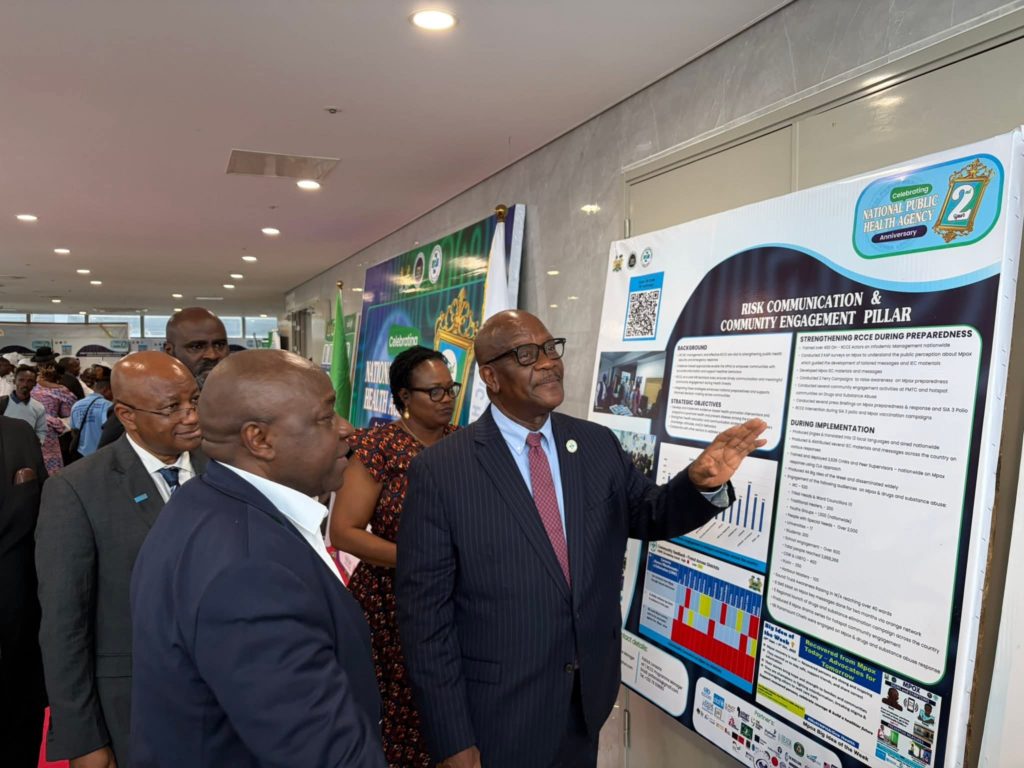
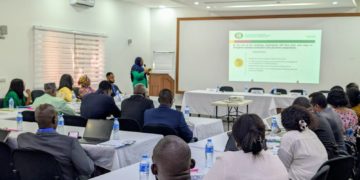
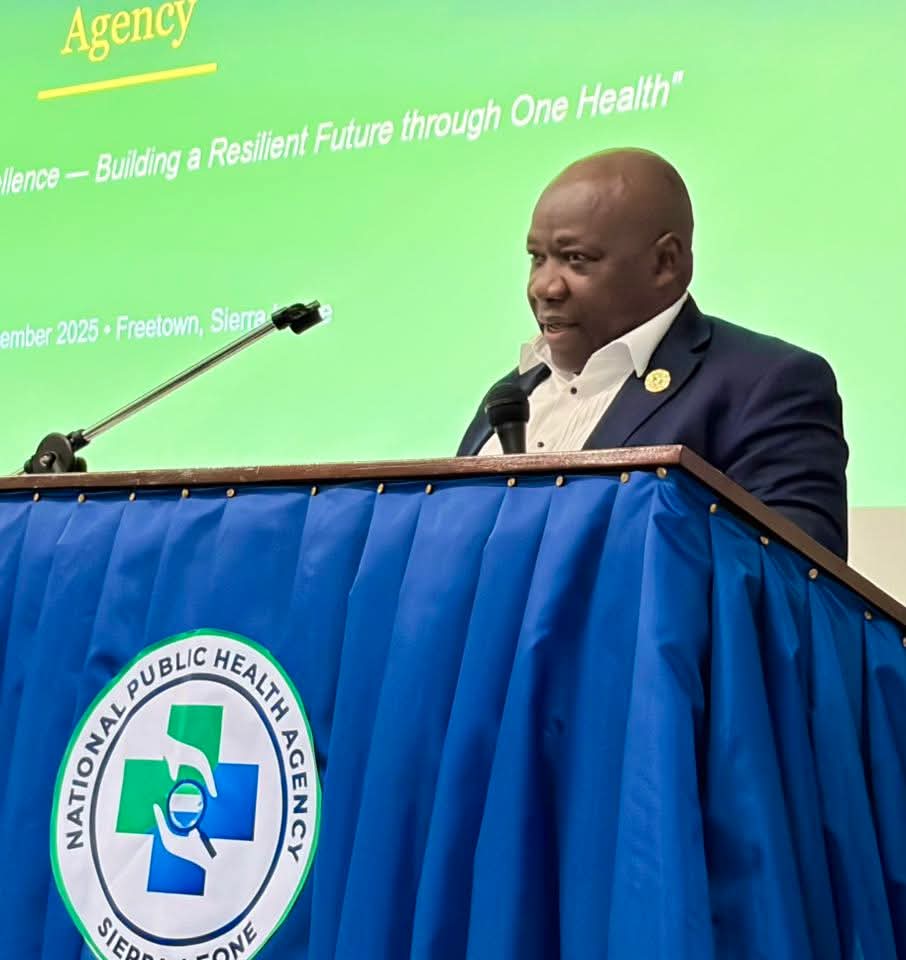
Health Minister Dr Austin Demby made the declaration at an event where he praised the country’s healthcare workers and development partners for their contributions to the achievement.
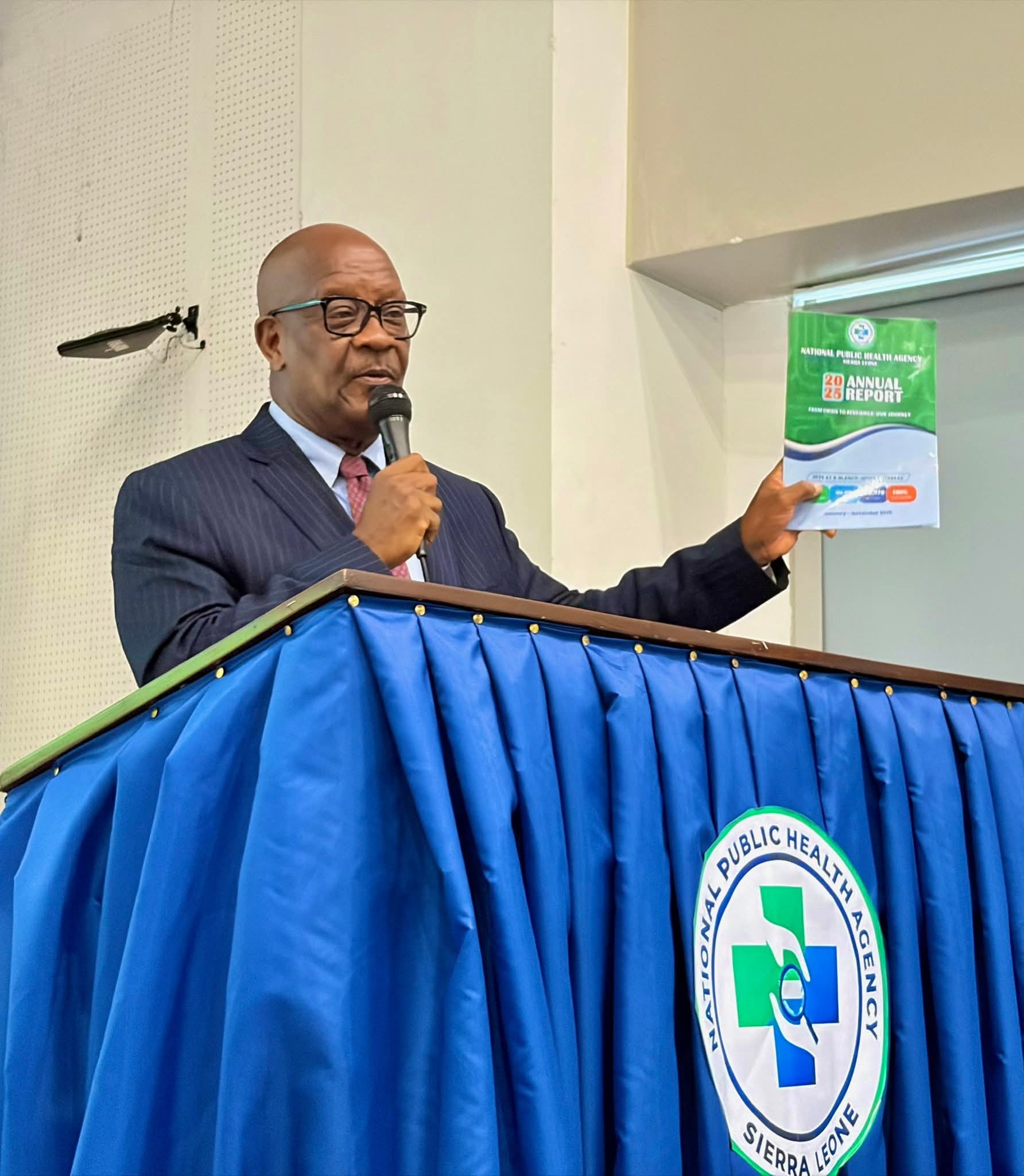
“This is a very important moment for us,” he said at the event in Freetown marking the second anniversary of the creation of the National Public Health Agency (NPHA), which coordinates national efforts to prevent and respond to public health emergencies in the country.
Monday’s development comes almost a year since Sierra Leone declared the Mpox emergency after two cases of the virus were confirmed outside the capital Freetown. It went on to record over 5,442 cases and 60 deaths due to the virus. Dr Demby said the decision to declare the emergency over was made in accordance with international public health standard, after 42 days without new cases, equivalent to two incubation period of the virus.
Mpox, previously known as Monkey, is a zoonotic disease that is transmitted from infected animals to humans and from person to person.
The largest global outbreak of the virus erupted in 2022 and was declared Public Health emergency of International Concern by the World Health Organization (WHO) before being declared over in early 2023. Towards the end of 2023, another outbreak was declared in the Democratic Republic of Congo and spread to over 20 African Union member countries, prompting the Africa CDC to declare for the first time ever, a Public Health Emergency of Continental Security (PHECS).
Sierra Leone was among the last countries to fall to the virus, but it ended up becoming the driver of cases for weeks between May and September 2025.
The epidemic was also unique in Sierra Leone due to the rare cases of genital lesions seen in many victims, which drove stigma and made it hard to fight to break the chain of transmission.
Demby praised heath workers and international development partners for their role in ending the epidemic.
“It shows resilience. It shows strength. It shows commitment, and it shows that as a nation, when there is a crisis and we all come together, we will be able to fight it and overcome it,” he said.
The Africa CDC is expected to decide this week whether to end the Public Health Emergency of Continental Security in place since August 2024.
While data shows that new cases have been declining, some countries are still recording large number of cases, including Sierra Leone’s neighbour, Liberia.
The Sierra Leone government says it is now shifting its focus to border control to ensure the virus doesn’t enter.