


By Brima Sannoh
In 2021, what began as a mere boundary disagreement between the communities of Sawulah and Longo in Kpanga Chiefdom, Pujehun District, turned into deadly violence.
The clash not only deepened divisions between the two communities, but it also claimed the life of an Arabic teacher, with several injuries — an incident that continues to haunt residents and raise concerns about peace and justice in rural Sierra Leone.
For many in Pujehun, the conflict was a painful reminder that while the civil war ended over two decades ago, the root causes of violence—land disputes, weak local conflict resolution systems, and unresolved grievances—still linger beneath the surface.
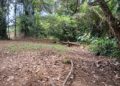
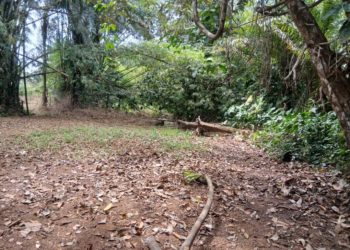
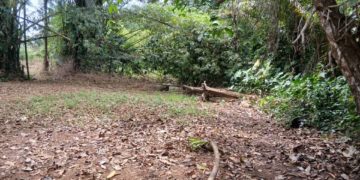
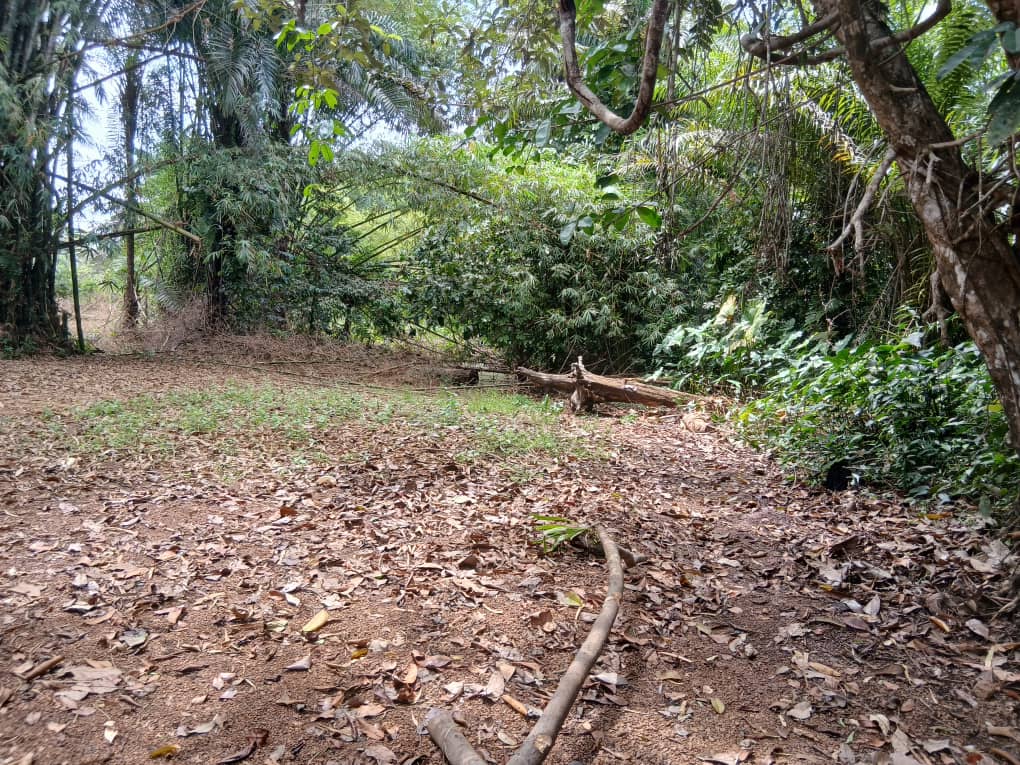
Residents say the boundary dispute had existed for years, with both communities laying claim to the same piece of land.
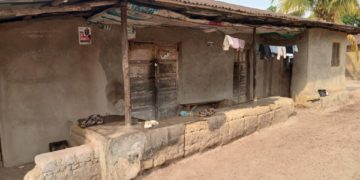
Tensions reportedly escalated after disagreements over farming rights and land ownership, eventually leading to confrontation. What followed was chaos—homes abandoned, families divided, and a community thrown into fear.
“The day the fighting started, people ran for their lives,” said Musa Jah, a 68-year-old resident of Sawulah. “We never thought it would reach the point where someone would be killed.”
The death of the Arabic teacher marked a turning point in the conflict, transforming it from a local disagreement into a tragedy that demanded justice and accountability.
Seven people were prosecuted and jailed for life imprisonment for the crime.
Yet, years later, many questions remain unanswered for community members—particularly around how such violence could have been prevented.
This is where the principles of transitional justice become critical.
The Truth and Reconciliation Commission (TRC), established after Sierra Leone’s civil war, warned about the dangers of unresolved local conflicts and the importance of strengthening community-based dispute resolution systems.
In its report, the TRC emphasized that land and boundary disputes were among the underlying causes of conflict in many parts of the country, and recommended that government and local authorities take proactive steps to address them before they escalate into violence.
The Commission also stressed the need for dialogue, reconciliation, and inclusive decision-making at the community level, noting that sustainable peace depends not only on national reforms but also on how conflicts are managed within local communities.
In Pujehun, the Sawulah–Longo conflict highlights the gap between these recommendations and reality.
Local leaders, including chiefs and elders, are often the first line of response in such disputes. However, many face challenges such as limited resources, lack of clear boundary demarcation, and difficulties in enforcing decisions.
In some cases, disputes are left unresolved for years, increasing the risk of violence.
Over the years, some efforts have been made to address such challenges in Pujehun.
The District Multi-Stakeholders Platform (DMSP)—a body bringing together key sectors including local authorities, civil society, and community leaders—has been working to mediate communal conflicts and promote dialogue around land disputes.
Similarly, Land for Life, a non-governmental organization, has been supporting communities with awareness, mediation, and advocacy on land rights and conflict resolution.
“Our work has been focused on bringing communities together to resolve these disputes peacefully,” said Joseph Sylvanus Karim, District Facilitator for Land for Life in Pujehun. “We have been engaging not only Sawulah and Longo, but also addressing boundary concerns in places like Blama Puila and Nargy, as well as in Malen and Makpele Chiefdoms.
“These are long-standing issues, but through dialogue and community involvement, we are seeing gradual progress.”
Efforts have also reportedly been made to restore calm between Sawulah and Longo, with community leaders and authorities stepping in to mediate. But for many residents, peace is still fragile.
“This is something that should never have happened between us,” said Amie Kallon, a 55-year-old farmer from Longo. “We have lived together for years as one people. What happened in 2021 has really damaged that relationship, and it still pains many of us today.”
For Mariama Lahai, widow of the slain Arabic teacher, the pain remains deeply personal.
“I lost my husband because of land that should never have divided us,” she said, her voice trembling.
“No family should go through what mine has suffered. I just want justice and for people to live together in peace.”
According to Emmanuel Fawunde, District Coordinator for the Rural Agency for Community Action (RACAP) Sierra Leone, conflicts like the one between Sawulah and Longo are common in rural communities.
“Our approach focuses on early engagement, mediation, and building local capacity for peaceful dispute resolution,” he said.
He added: “Without addressing the underlying issues and grievances, peace will always be fragile. This is why transitional justice principles—dialogue, reconciliation, and accountability—are critical for sustainable community cohesion.”
Transitional justice is not only about addressing past atrocities from the civil war; it is also about preventing new ones.
It calls for fairness, accountability, and mechanisms that allow communities to resolve disputes peacefully and rebuild trust.
The Sawulah–Longo case underscores the urgent need to revisit the TRC’s recommendations, particularly those related to decentralized justice, land governance, and community reconciliation.
Strengthening local courts, supporting chiefs with clear guidelines, and promoting dialogue between disputing communities are all critical steps toward lasting peace.
For the family of the slain teacher, justice is not just about punishment—it is about ensuring that no other life is lost over land disputes.
As Pujehun continues to grow and land becomes increasingly valuable, the risk of similar conflicts remains high.
The lesson from Sawulah and Longo is clear: without timely intervention, even small disagreements can spiral into deadly violence. Sustainable peace in Sierra Leone will depend on how well communities address these everyday conflicts.
The TRC laid the foundation years ago—but it is up to communities, leaders, and authorities to bring those recommendations to life.
Only then can tragedies like the one in Kpanga Chiefdom become a thing of the past, rather than a warning of what may come again.
This report was produced with support from the Africa Transitional Justice Legacy Fund (ATJLF), through the Media Reform Coordinating Group (MRCG), under the project:
‘Engaging the Media and Communities to Change the Narrative on Transitional Justice Issues in Sierra Leone.