



By Brima Sannoh
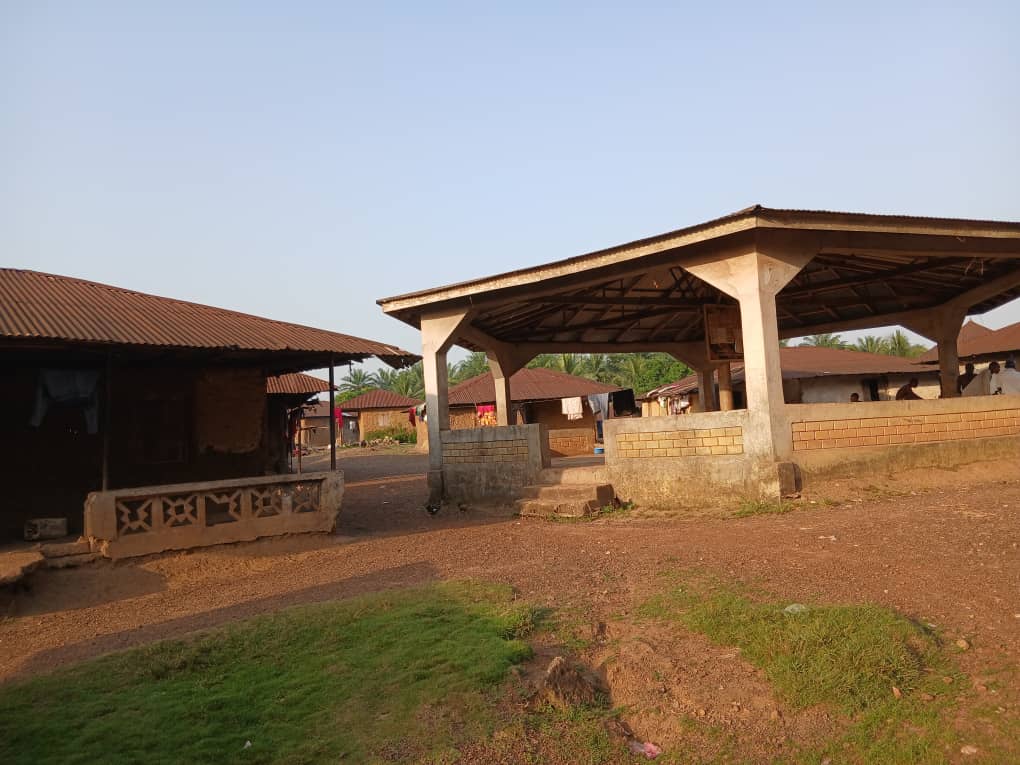
More than two decades after the end of Sierra Leone’s brutal civil war, memories of violence, loss, and survival remain painfully alive in Pujehun District—one of the regions hardest hit during the conflict that raged from 1991 to 2002.
For many residents, the calm that now blankets former killing fields is not just peace, but a haunting reminder of stories untold and lives left unremembered.
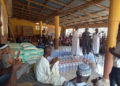
In interviews with ManoReporters.com, residents, traditional leaders, survivors, youth leaders, and civil society actors across the district echo calls for the establishment of memorial sites in key locations affected by the war. They say such sites are critical for remembrance, education, healing, and the prevention of future conflict.
During the eleven-year war, Pujehun District witnessed widespread atrocities, including mass killings, forced displacement, sexual violence, and the destruction of homes, schools, health facilities, and farmlands. Local accounts indicate that more than 3,000 people were killed, while numerous others were displaced.
Several public and private properties were destroyed, entrenching poverty in a district still grappling with the long-term consequences of the war.
In spite of the scale of devastation in the district, residents lament that there are few physical reminders of what happened. Survivors fear that without deliberate memorialisation, the painful lessons of the past may fade—particularly among young people born after the war.
These concerns echo the recommendations of Sierra Leone’s Truth and Reconciliation Commission (TRC), which, in its final report, called for the establishment of memorialisation sites across the country as part of the broader transitional justice process. The TRC recommended that mass graves, sites of atrocities, and other symbolic locations be preserved and marked to honour victims, acknowledge suffering, promote national healing, and ensure that the causes and consequences of the war are never forgotten. It emphasised that memorialisation should serve an educational purpose, especially for future generations, as a safeguard against the recurrence of violence.
One of those determined to keep the memory alive is Chief Abu Gombu, a local chief of Sahn Town in Malen Chiefdom, who recalled one of the darkest days in the district’s history during an interview with ManoReporters.com.
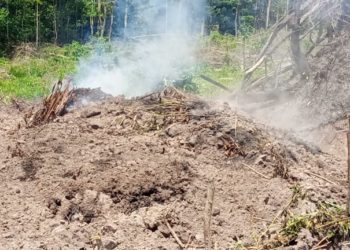
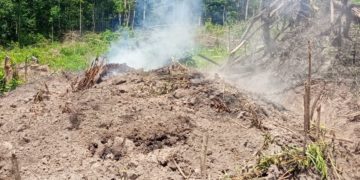
On May 24, 1992, Chief Gombu witnessed a mass killing carried out by fighters of the former Revolutionary United Front (RUF).
“On that afternoon, more than 150 people were lined up at the bank of the Mafitai Stream, close to Sahn Town, and were killed by RUF rebels,” he recalled.
“It is a day I will never forget in a hurry. Up to today, I still do not know how I survived that day.”
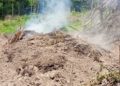
Chief Gombu said the absence of a formal memorial at the site continues to cause deep pain for survivors and families of victims, many of whom never recovered the bodies of their loved ones.
“The government must do everything possible to build a memorial site at that particular mass grave,” he said. “It is where more than a hundred innocent lives were taken. Such a site will honour the dead, educate the young, and stand as a permanent reminder so that what happened here will never happen again.”
For Jusu Fullah, a 60-year-old farmer from Gboyama Malen, who now lives permanently in Jumbu, the war is remembered through years of displacement and profound personal loss. Speaking to ManoReporters.com, Fullah described life as an internally displaced person.
“I spent nine months in the bush,” he recalled. “We slept in the open bush. There was no food. Sometimes we went for days without eating. We fell sick many times because of hunger, rain, and fear.”
He said his family paid a heavy price during the conflict.
“My eldest son and my grandson were set ablaze by the rebels,” Fullah said. “Five of my loved ones were also among those massacred at Sahn by the Mafitai Stream.”
For Fullah, the demand for memorialisation is deeply personal.
“There should be a memorial site in Sahn in particular,” he told
ManoReporters.com. “That place holds the blood of our people. If nothing is done there, it is like their lives meant nothing.”

Women survivors also say their suffering must be acknowledged as part of the district’s collective memory.
Musu Keifala, a now visually impaired woman from Gibina in Kpanga Chiefdom, about 13 miles from Pujehun town, recalled how she was arrested by rebels and held in captivity for nearly two years.
“For almost two years, I lived as a prisoner of the rebels,” Musu Keifala said. “We were starved, abused, and stripped of our dignity. What happened to me and many other women is something we still live with every day.”
Musu stressed that memorial sites should recognise not only those who were killed, but also survivors—especially women who endured sexual violence and long-term trauma.
“Even though I have lost my sight, I have not lost my memory,” she told ManoReporters.com. “Memorial sites will help the younger generation know what happened to women during the war and why peace must never be broken again.”
Responding to these calls, Foday Kandeh Rogers, Chairman of the Pujehun District Council, told ManoReporters.com that the Council recognises the importance of memorialisation as part of post-war recovery and reconciliation. He added that the district council remains committed to working with central government, traditional authorities, development partners, and local communities to preserve its history.
“The council understands the pain our people went through during the war, and we believe memorialisation is an important part of healing and peacebuilding,” Rogers said.
“While resources remain a challenge, we are open to engaging stakeholders to explore how memorial sites can be established and maintained in a way that reflects our history and supports development,” the Council chairman stressed.
Across Pujehun District, residents argued that memorialisation sites should be established in communities that experienced mass killings, displacement, and abuse. They say such spaces should serve as centres for remembrance, learning, and dialogue, where the history of the war and the importance of peaceful coexistence can be taught—consistent with the TRC’s vision for national reconciliation.
Youth leaders believe memorial sites would play a crucial role in shaping the mindset of young people.
“When young people see these places and hear these stories, they will think twice before allowing conflict to divide them,” said Mohamed Kallon, Chairman of the Pujehun District Youth Council.
Civil society organisations in the district also describe memorialisation as a vital pillar of post-war recovery and transitional justice.
Emmanuel Fawundu, Executive Director of the Rural Agency for Community Action Programme (RACAP SL), said that memorialisation facilities could help address lingering post-war challenges in Pujehun and beyond. According to Fawundu, such sites can promote healing, foster dialogue, and serve as platforms for peace education—particularly for younger generations who did not experience the war firsthand.
Beyond remembrance, residents believe memorialisation could also support local development. With proper planning, memorial sites could attract researchers, students, and visitors interested in Sierra Leone’s civil war history, creating modest tourism and livelihood opportunities for host communities.
As Sierra Leone continues to consolidate peace and democratic governance, residents of Pujehun District insist that the implementation of the TRC’s recommendations on memorialisation must not be delayed any further.
For survivors like Chief Abu Gombu, Jusu Fullah, and Musu Keifala, memorialisation is not symbolic—it is a moral obligation to the dead, recognition for the living, and a safeguard for future generations.
For the people of Pujehun, memorial sites would stand not only as monuments of sorrow, but as enduring lessons—silent witnesses reminding the nation that peace must be protected, nurtured, and never taken for granted.
This story was produced with support from the African Transitional Justice Legacy Fund (ATJLF), through the Media Reform Coordinating Group (MRCG), under the project Engaging Media and Communities to Change the Narrative on Transitional Justice Issues in Sierra Leone.