







By Brima Sannoh
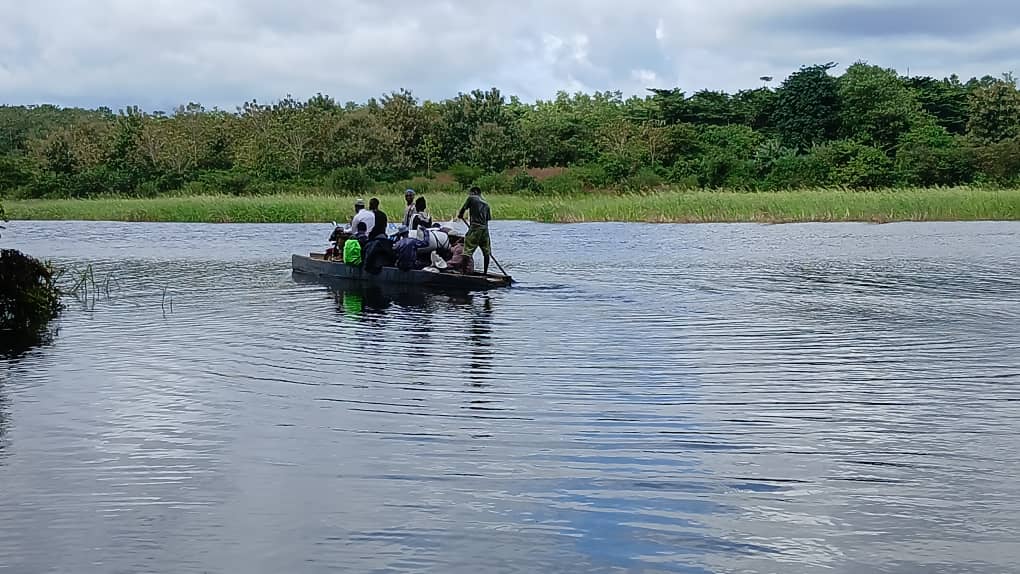
In the early hours of Saturday, 16th May, 2026, tragedy struck in the small community of Hongai in Malen Chiefdom, Pujehun District, southern Sierra Leone. A boat carrying a single mother of four capsized while she was fishing.
Hawa Senesie, 43, was part of a group of women on a fishing expedition late in the night on the Maleny River. Described by community members as a hardworking farmer and caring mother, Hawa left home Friday night alongside her four colleagues to engage in the fishing expedition — a risky but increasingly common means of survival for many women across the chiefdom.
Tenneh Rogers was on the boat. She explains that they had spent several hours fishing when Hawa became disappointed over the poor catch.
“At around 1am, she decided to return home because she was not catching enough fish,” Rogers told ManoReporters. She said Hawa boarded a smaller and shallow boat from the opposite side of the river in an attempt to cross back to the village. Moments later, tragedy struck. She disappeared beneath the dark waters of the Maleny River. Her body was recovered the following day.
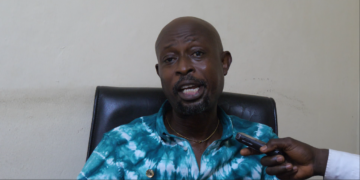
The heartbreaking incident has once again exposed the dangerous realities surrounding late-night fishing and river transportation in rural communities in this part of Sierra Leone. Mustapha Banyande, Section Chief of Senjeila Section — where Hongai Village is located — told ManoReporters that women are now increasingly involved in nighttime fishing activities due to economic hardship and the struggle to support their families.
“Most of them usually go fishing after midnight because they believe that is the best time fish move close to the riverbanks,” said Chief Banyande.
According to the chief, Hawa’s death is the second drowning recorded in the community this year.
“This year alone, we have already lost two people through drowning, including a man, and now Hawa Senesie,” he said.
Disturbingly, drowning incidents continue to rise across Malen Chiefdom and the wider Pujehun District. According to data shared with ManoReporters by the Officer in Charge of the Malen Police Station, Assistant Superintendent Michael Tommy, at least three people — including a three-year-old boy — drowned in separate incidents across Malen Chiefdom last year alone. The police data also show that more than eight people have drowned in the Maleny River within the last five years.
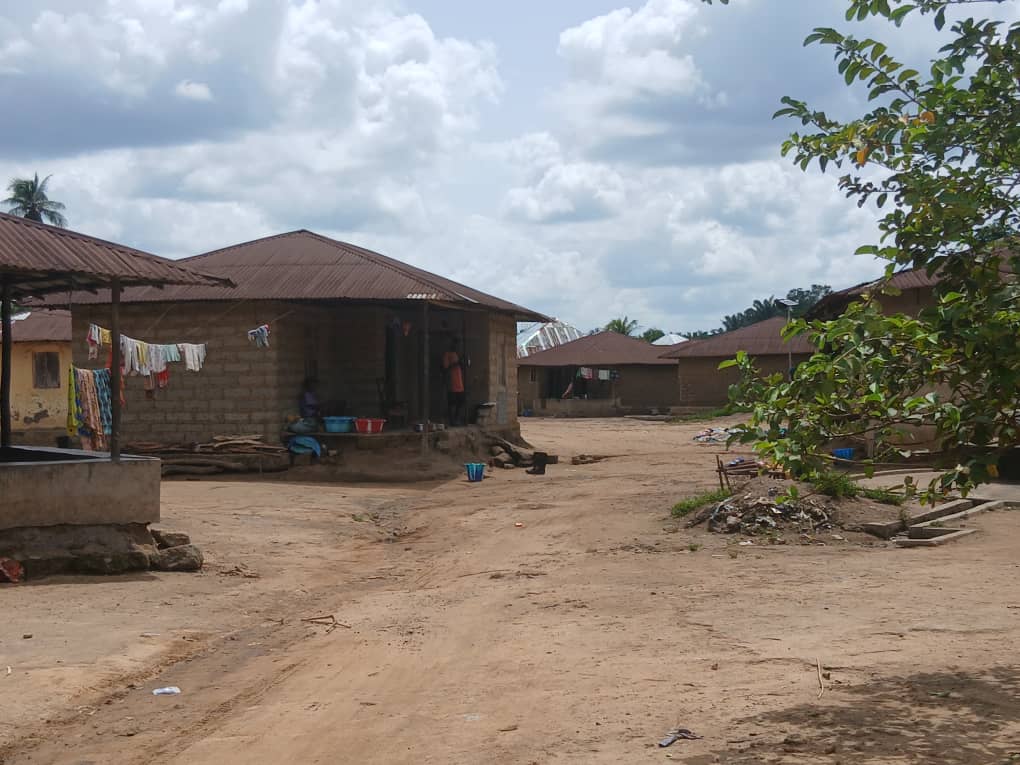
Pujehun District is surrounded by several major water bodies and tributaries, including the Maleny River, Wanjie River, Moa River and the Atlantic Ocean which stretches toward the Sierra Leone-Liberia border. Many communities within the district heavily depend on the water routes for transportation, fishing, farming and petty trading. However, residents say safety rarely gets priority. Life jackets are rarely seen in most parts of the district. People are forced to rely on unsafe handmade canoes and small shallow boats, often travelling long distances at night, without any safety protection.
Meanwhile, the emotional pain left behind by Hawa Senesie’s death continues to weigh heavily on her children, especially her 16-year-old son, Sarmu Alieu, a junior secondary school pupil at the Government Secondary School in Sahn Malen. The teenager, in grief, told ManoReporters that the sudden death of his mother has completely shattered his life and future.
Alieu is the last of her mothers children. All of her siblings are female. Their mother was a divorcee from her second husband. Her first husband died.
“Everything has now come to an end, including my education,” lamented Alieu. “My mother was the strong pillar behind me. Now there is nobody to help me, even with feeding.”
For Alieu, the pain of losing a mother is beyond description.
“The pain cannot be described by mere words. It is deeply hurting and cannot be forgotten in a hurry,” he stressed.
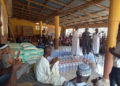
Community members say repeated discussions and meetings have been held about river safety, but little progress has been made due to poverty, poor infrastructure and the lack of emergency response equipment. But the incident has rekindled calls for government intervention, improved river safety measures, access to life jackets and stricter monitoring of nighttime activities on dangerous waterways.
For many of the residents of Hongai and surrounding communities, Hawa’s death is more than just another drowning statistic — it is a painful reminder of the deadly risks rural women continue to face daily while struggling to feed their families and survive.