






By Habib Taigore Kamara
In today’s interconnected world, a nation’s reputation is closely tied to the strength of its institutions, adherence to the rule of law, and commitment to international norms. For Sierra Leone, preserving its standing in the global community is essential for sustaining economic growth, attracting investment, and maintaining strong diplomatic relationships. As concerns over transnational crime continue to rise globally, the need for stronger governance has become increasingly important to shield the country from the risk of international sanctions and reputational harm.
Sierra Leone has made remarkable progress since the end of its civil war in 2002. The country has consolidated peace, strengthened democratic institutions, and forged partnerships with regional and international actors. Through these efforts, Sierra Leone has emerged as a respected member of the international community and a beneficiary of significant development assistance from global partners.
However, recent allegations linking the country to transnational criminal activities have brought renewed attention to the importance of governance and accountability. While allegations must always be addressed through due process and evidence-based investigations, they nevertheless underscore the broader challenge that many developing countries face in preventing criminal networks from exploiting institutional weaknesses.
International sanctions are often imposed when countries are perceived as failing to combat corruption, money laundering, drug trafficking, or other forms of organized crime. Such measures can range from restrictions on aid and financial transactions to travel bans and reduced diplomatic engagement. Even the possibility of sanctions can negatively affect investor confidence, economic growth, and international partnerships.
For Sierra Leone, the consequences of international sanctions could be far-reaching. Development programs in health, education, infrastructure, and agriculture rely significantly on partnerships with international donors and financial institutions. Any reduction in external support could slow progress toward national development goals and place additional burdens on already limited domestic resources.
Strong governance remains the most effective defense against these risks. Governance is not merely about political leadership; it encompasses transparent institutions, accountable public officials, an independent judiciary, and effective law enforcement agencies. When institutions function effectively and transparently, they build trust among citizens and reassure international partners that the country is committed to upholding the rule of law.
One of the key areas requiring attention is the fight against corruption. Corruption weakens institutions, undermines public confidence, and creates opportunities for criminal networks to thrive. Strengthening anti-corruption mechanisms, ensuring transparent public financial management, and holding public officials accountable are essential steps toward reinforcing good governance.
Equally important is the need to enhance anti-money laundering systems and strengthen financial oversight. Criminal organizations often rely on illicit financial flows to conceal their activities. Effective monitoring of financial transactions, improved regulatory frameworks, and collaboration with international financial institutions can help prevent Sierra Leone from becoming vulnerable to financial crimes.
Border security and law enforcement capacity also deserve increased investment. Given West Africa’s strategic location along international trafficking routes, countries in the region face unique challenges in combating organized crime. Strengthening border controls, improving surveillance at ports and airports, and enhancing intelligence-sharing mechanisms can significantly reduce these risks.
The judiciary plays a central role in safeguarding national integrity. An independent and impartial judicial system ensures that justice is administered fairly and that no individual is above the law. Strengthening judicial capacity and protecting its independence are crucial for maintaining public trust and international confidence.
Furthermore, international cooperation is indispensable. Sierra Leone should continue to work closely with regional organizations, international law enforcement agencies, and development partners to address cross-border criminal activities. Collaboration in intelligence-sharing, investigations, and capacity building demonstrates a country’s commitment to global security and responsible governance.
Civil society organizations, the media, and citizens also have an important role to play. Public participation, transparency, and civic engagement contribute to stronger democratic institutions and greater accountability. A vigilant and informed society serves as an additional safeguard against corruption and criminal infiltration.
Sierra Leone stands at a pivotal moment in its development trajectory. The country has overcome tremendous challenges in the past and has demonstrated resilience in the face of adversity. By strengthening governance, reinforcing institutions, and promoting accountability, Sierra Leone can protect its international reputation, maintain strong global partnerships, and avoid the risks associated with international sanctions.
Ultimately, the path to sustainable development and national prosperity lies in building institutions that are transparent, accountable, and resilient. Strong governance is not only a shield against sanctions—it is the foundation upon which Sierra Leone’s future progress and global standing depend.
This article emphasizes institutional strengthening and governance while avoiding assumptions about unproven allegations, thereby maintaining a balanced and professional tone.
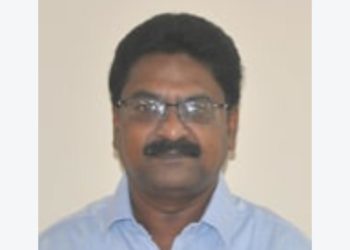
Habib Taigore Kamara is the Executive Director of Social Linkages for Youth Development and Child Link, a civil society organization that focuses on combating substance abuse—particularly the ‘Kush’ epidemic—and provides medical care, rehabilitation support, and education to at-risk youth and children associated with drugs.