






By Kemo Cham
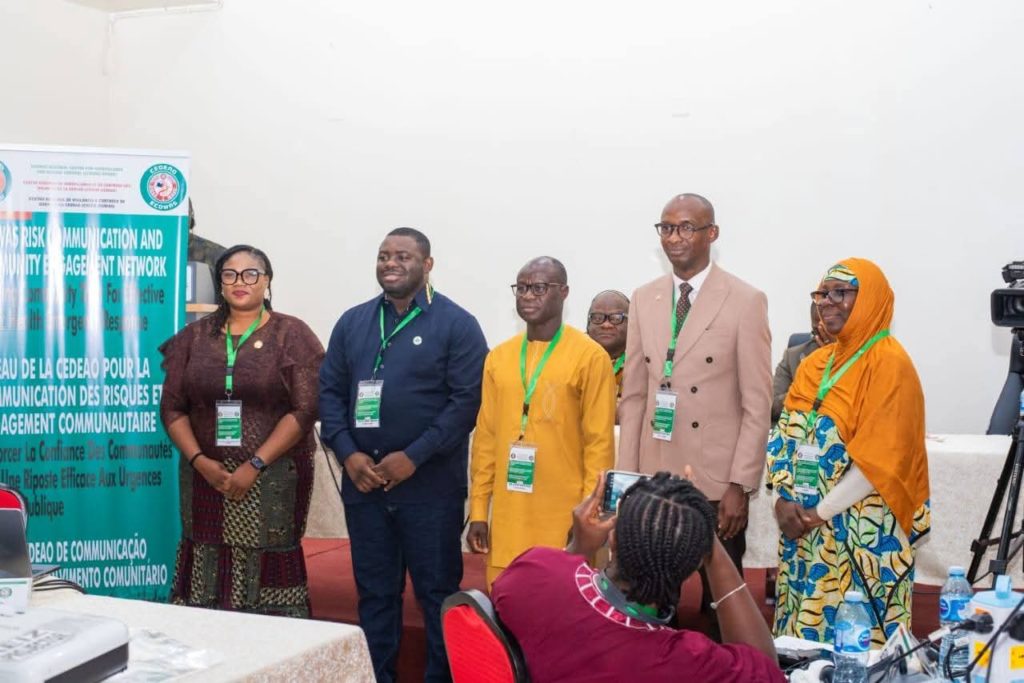
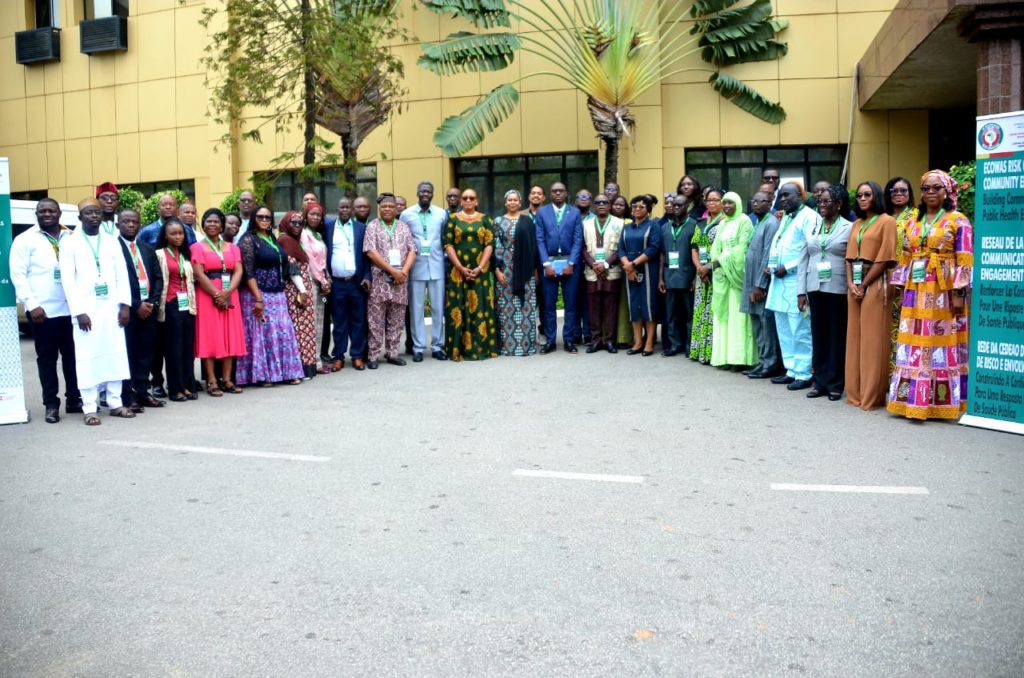
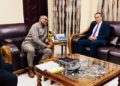
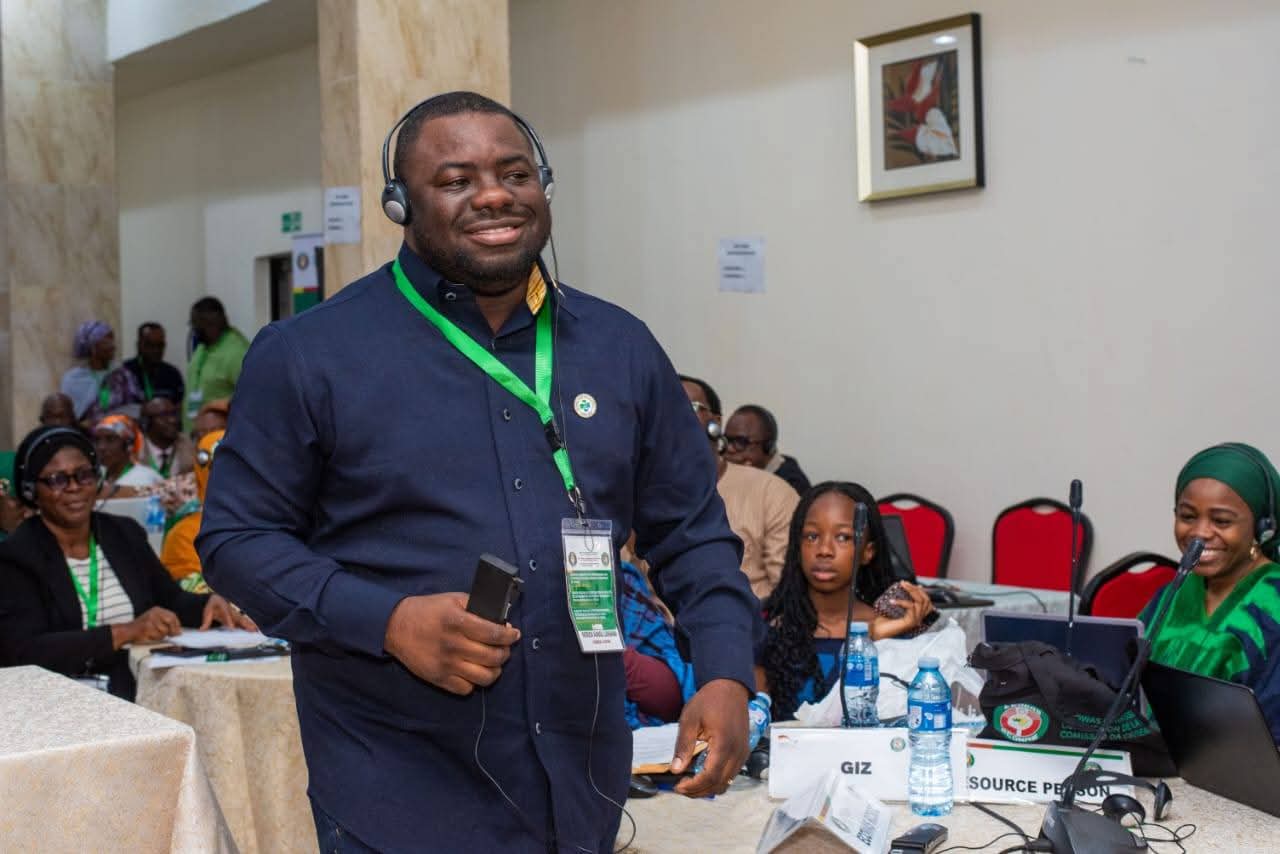
Sierra Leonean Risk Communication Professional Patrick Lansana has been elected Vice President of the ECOWAS Risk Communication and Community Engagement (RCCE) Network. He was named at the just concluded 3-day regional workshop on capacity building for Risk Communication and Community Engagement by the ECOWAS Regional Centre for Surveillance and Disease Control (RCSDC) in Abuja, Nigeria.
The Network brings together Risk Communication Professionals from member states of ECOWAS who are part of the RCSDC, whose role is to coordinate regional public health communication, build trust and resilience in local communities, and manage health misinformation during disease outbreaks and emergencies.
Patrick works for the National Public Health Agency (NPHA) of Sierra Leone as Programme Manager for Risk Communication and Community Engagement Pillar. He was elected unanimously by his colleague professionals. Bissau-Guinean Da Silva Estevão was elected President at the same event, while Paul Alle Kouadio of Côte d’Ivoire was elected General Secretary, with Kpogbeme Pricile of Benin and Hannatu Bello of Nigeria elected as First and Second Assistant Secretaries, respectively.
The NPHA-SL hailed Patrick’s election as a recognition of his leadership and commitment to strengthening risk communication in his country and the region.
“This well-deserved achievement is a significant recognition of your exceptional leadership, professional excellence, unwavering commitment, and outstanding contributions to strengthening Risk Communication and Community Engagement, behavioural intelligence, and infodemic management in Sierra Leone and across the West African region,” the agency said in a statement.
Patrick has played instrumental role in the development and advancement of Sierra Leone’s Behavioural Intelligence and Infodemic Management (BIIM) System. He is also recognized for his tireless efforts to promoting community-centred, evidence-informed and people-focused public health interventions. The NPHA described his election as “a proud moment for Sierra Leone,” noting that it reflected the growing recognition of the country’s leadership and expertise in RCCE, public health preparedness, epidemic intelligence and emergency response.
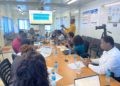
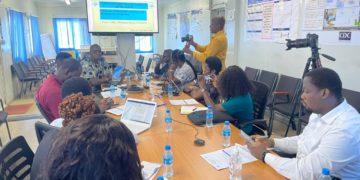
The Abuja workshop was designed for participants to share ideas and expertise on current health issues, especially the current Ebola outbreak in East Africa. Organizers said it also provided the opportunity to strengthen the capacity of members of the RCSDC and build on operational mechanisms already in place.