



Why Sierra Leone must move beyond punishment alone to prevention, treatment, rehabilitation, youth empowerment and community-led solutions
By Habib Taigore Kamara
A changing drug landscape
Sierra Leone is at a critical moment in its response to drug-related harm. The emergence and spread of Kush and other synthetic substances have transformed the national conversation about drugs. What was once viewed largely through the lens of law enforcement is now affecting young people, families, communities, mental health, education, employment and national development.
In April 2024, the Government of Sierra Leone declared a national emergency on drug and substance abuse. This was an important recognition that the country’s response must go beyond arrests and seizures to include prevention, treatment, rehabilitation, reintegration and community engagement.
“Is Sierra Leone’s existing drug-control framework sufficiently equipped to respond to today’s drug realities?”
Understanding the 2008 Act
The National Drugs Control Act, 2008 (Act No. 10 of 2008) established a strong legal framework for controlling and preventing drug-related activities in Sierra Leone. It strengthened drug-law enforcement and addressed the cultivation, manufacture, importation, exportation, possession and use of controlled drugs.
However, the Act is not exclusively about punishment. It also contains provisions concerning the treatment and rehabilitation of persons affected by drug use, including mechanisms for assessment and treatment under specified circumstances.
This is an important foundation. The national debate should therefore not simply be whether Sierra Leone should abandon the 2008 Act. The more important question is how the country can strengthen and modernize its framework so that law enforcement, prevention, treatment, rehabilitation, harm reduction and reintegration work together.
Criminalization alone cannot solve drug dependence
Law enforcement has an essential role. Sierra Leone must continue to tackle drug trafficking, organized criminal networks, manufacturing, distribution and the exploitation of vulnerable people. But drug dependence is also a health, social and economic issue.
A person experiencing problematic drug use may require medical care, counselling, mental-health services, treatment, rehabilitation, family support and livelihood opportunities. Arrest and imprisonment alone cannot provide these interventions.
“We should be tough on organized trafficking while ensuring that people experiencing drug dependence can access appropriate treatment and recovery services.”
The Kush crisis requires a new response
The emergence of Kush demonstrates why Sierra Leone cannot rely on approaches designed for an earlier drug environment. The crisis has particularly affected young people and exposed wider vulnerabilities involving unemployment, poverty, social exclusion, mental-health pressures, family instability and limited opportunities.
We therefore need to ask not only, “Why are young people using drugs?” We must also ask, “What conditions are making young people vulnerable, and what can we do before drug use becomes dependence?”
Youth must be at the Centre
Sierra Leone is a youthful nation. Young people must therefore be at the centre of the national drug response—not simply as beneficiaries, but as partners and leaders.
• Education and accurate drug information;
• Vocational and technical skills;
• Employment and entrepreneurship;
• Sports, arts and recreation;
• Mental-health and psychosocial support;
• Youth-friendly counselling and peer-led prevention;
• Safe community spaces; and
• Meaningful youth participation in policy development.
If we want to change the future of Sierra Leone’s drug problem, we must invest in the future of Sierra Leone’s young people.
Families must be part of recovery
Drug-related harm rarely affects only the individual. Parents, spouses, children and siblings can experience financial hardship, conflict, stigma and emotional distress. Yet families can also be among the strongest sources of support for recovery.
Families need education, counselling and referral support. They should be involved in treatment planning, rehabilitation and reintegration.
“Recovery should not end at the gate of a rehabilitation centre. It must continue at home and within the community.”
Rehabilitation must lead to recovery
Sierra Leone has demonstrated that rehabilitation is possible. However, rehabilitation should not be measured only by how many people enter a centre or graduate from a programme.
We must ask: How many remain in recovery? How many return to school or employment? How many rebuild family relationships? How many receive mental-health support? How many have access to aftercare? How many become productive members of their communities?
A person can complete rehabilitation and still return to the same environment of unemployment, stigma, poverty and social exclusion. Therefore, rehabilitation must be connected to reintegration.
“Prevention → Early Intervention → Treatment → Rehabilitation → Skills Development → Family Support → Employment → Reintegration → Aftercare”
Building recovery infrastructure across Sierra Leone
Recovery services must not be concentrated only in Freetown. People in Bo, Kenema, Kailahun, Makeni, Kambia, Pujehun, Moyamba, Bonthe and other districts should have access to appropriate prevention, treatment, rehabilitation and recovery services.
Sierra Leone needs investment in rehabilitation centres, community-based services, trained professionals, mental-health care, counselling, referral systems, family-support programmes and aftercare.
“Recovery must be available beyond the capital.”
Communities are part of the solution
Government cannot solve the drug challenge alone. Traditional leaders, religious leaders, teachers, health workers, local councils, youth organizations, civil society and community-based organizations all have important roles.
Communities are often the first to see when young people are struggling. They can identify problems early, reduce stigma, encourage treatment and support people returning from rehabilitation.
The question should not only be, “Who is using drugs?” It should also be, “Why are people becoming vulnerable, and what can we do to prevent harm?”
Harm reduction and health services
A comprehensive response should also include harm reduction. Harm reduction does not encourage drug use. It seeks to reduce health and social consequences while creating opportunities for people to access prevention, treatment and recovery.
Community outreach, overdose prevention, HIV prevention, counselling, referral services and other evidence-based interventions can create a bridge between people who use drugs and the health system.
Time for a national conversation
The 2008 National Drugs Control Act remains an important part of Sierra Leone’s legal framework. But the country’s drug environment has changed significantly since the Act was adopted. A national review and policy conversation should consider whether the current framework adequately addresses emerging synthetic drugs, access to treatment, rehabilitation standards, mental-health services, community-based prevention, harm reduction, referral pathways, aftercare and the meaningful participation of people with lived experience.
The objective should not be to weaken drug control. The objective should be to modernize the response.
Five priorities for Sierra Leone
• Prevention — invest in young people, families, schools and communities.
• Treatment — expand accessible, evidence-based health, mental-health and psychosocial services.
• Rehabilitation — develop quality rehabilitation and community-based recovery services.
• Reintegration — connect people in recovery to education, skills, employment, families and livelihoods.
• Smart Enforcement — target trafficking, organized crime, manufacturing and exploitation while ensuring appropriate pathways to treatment.
Conclusion: From punishment to possibility
Sierra Leone is at a crossroads. We can continue to view the drug challenge primarily through crime and punishment, or we can build a broader national response based on prevention, health, rehabilitation, recovery, harm reduction and community resilience.
We cannot expect one ministry, one agency or one organization to solve this challenge. Government must lead. Communities must participate. Families must support. Young people must be empowered. Health professionals must treat. Civil society must advocate. The private sector must create opportunities. And people with lived experience must have a voice in shaping solutions.
“We cannot arrest our way out of drug dependence. We cannot rehabilitate without infrastructure. And we cannot achieve sustainable recovery without families.”
THE CALL
From criminalization to recovery • From stigma to support • From punishment alone to prevention and rehabilitation • From isolated interventions to strong communities.
END
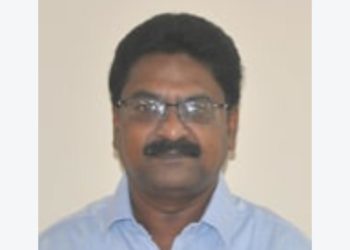
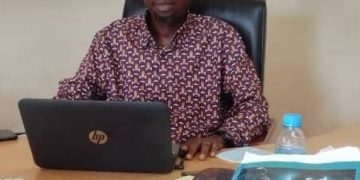
Habib Taigore Kamara is the Executive Director of Social Linkages for Youth Development and Child Link, a civil society organization that focuses on combating substance abuse—particularly the ‘Kush’ epidemic—and provides medical care, rehabilitation support, and education to at-risk youth and children associated with drugs.
Habib can be reached via Email: slydcl@gmail.com or Mobile: +232 79 356230 / +232 88 786