









By Kemo Cham
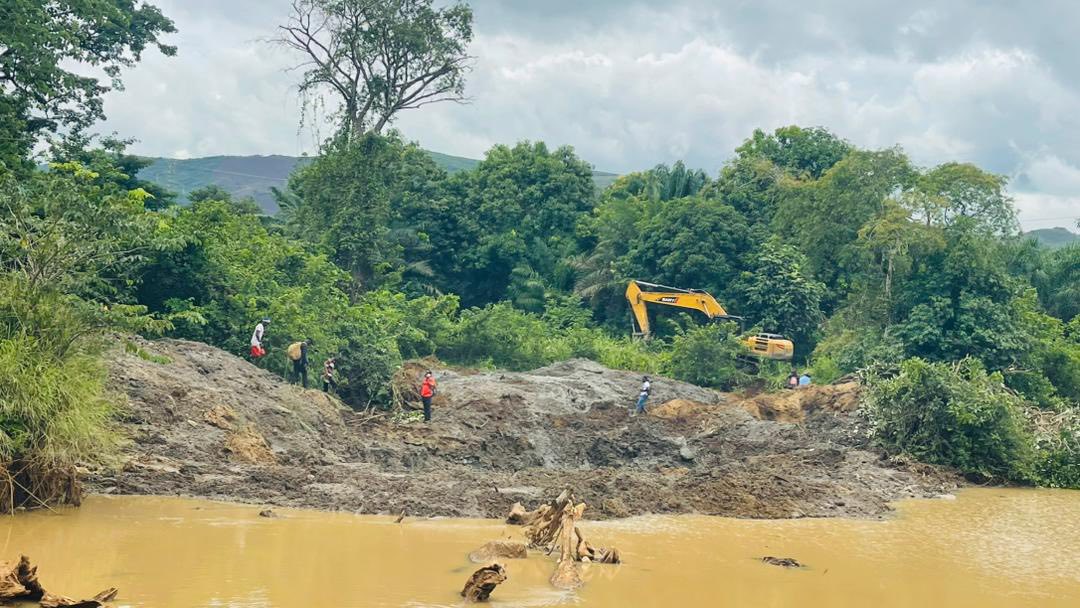
Last week, the Environment Protection Agency (EPA) of Sierra Leone mounted a raid along the River Rokel in the north of the country, in the latest crack down on riverbed mining in the country.
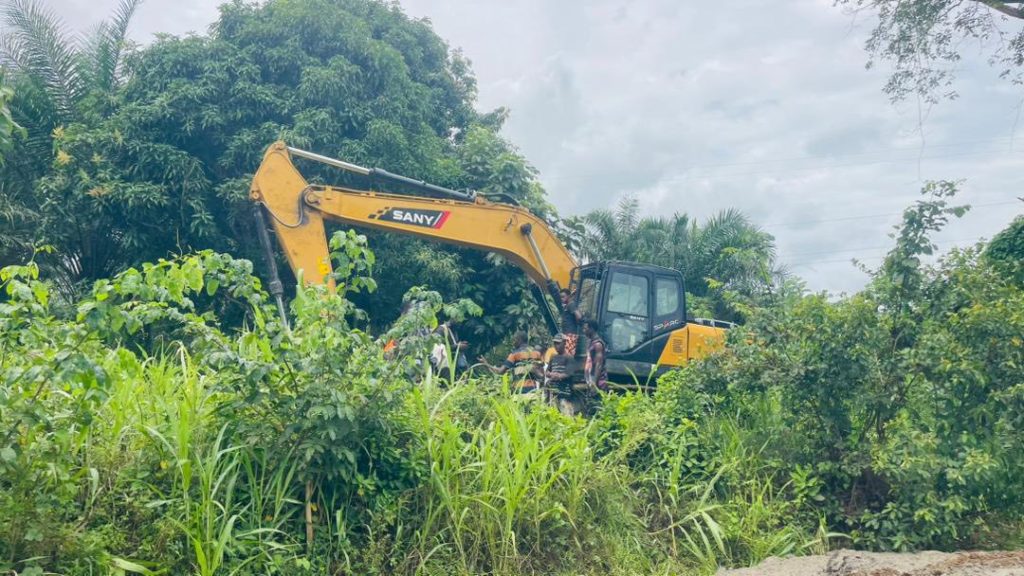
The raid led by EPA’s Northern Region Team based in the regional capital of Makeni, saw the destruction of several mining-related water pumps, according to the agency. It noted that an excavator operator was detained and handed over to the Criminal Investigators Department of the Sierra Leone Police.
The raid is the latest major crackdown on illegal mining activities across the country this year. According to EPA-SL, in the last five months of 2026 alone, it has launched nationwide crackdown, leading to the destruction of nearly 200 illegal mining dredges across multiple river systems in several districts, including Bombali, Kenema, Kailahun, Kono, and Bo. But Tonkolili seems to be the most heavily affected by illegal riverbed and dredge mining, particularly along the Rokel, also known as the Seli River, as well as the Pampana Rivers. These important rivers are often targeted for illegal extraction of gold, leading to severe water pollution and environmental degradation.
However, riverbed and dredge mining in Sierra Leone target other minerals, including diamonds in major waterways. Other popular rivers targeted by these illegal miners include the Sewa River in Kono in the eastern region of the country, and the Moa River in southern district of Pujehun. Campaigners say these illicit operations are often backed with foreign funding. Reports have increasingly cited the involvement of Chinese nationals in these schemes.
EPA-SL has routinely conducted joint military and police raids, during which they burn or dismantle illegal dredges. The agency have even deployed jet skis to track down miners attempting to evade authorities by crossing borders into neighboring areas.
“The EPA considers riverbed mining, especially when heavy machinery is involved, a serious environmental issue,” the agency said in a statement following the latest crackdown on the Rokel River.
This latest operation was a response to a viral video showing local miners mining along the riverbed of the Rokel River during the weirs’ temporary closure for maintenance. The EPA-SL said preliminary findings revealed that artisanal mining activities along certain sections of the exposed riverbed have a history of taking place during dam maintenance periods when water levels are lowered. It however warned that this year’s actions raised “serious concerns” as reports indicated the use of excavators, which significantly expanded the scope of operations and potential environmental consequences.
“Such activities along the Rokel River can disrupt the river system, harm aquatic habitats, increase sedimentation, alter water flow, undercut energy supply, and pose a threat to communities relying on the river for water and livelihoods,” it said.
The Rokel River is Sierra Leone’s longest waterway, and it is vital to the country’s energy, economy, and public infrastructure. Originating in the Loma Mountains, this water body provides the foundation for hydroelectric power, as host of the Bumbuna Hydroelectric Power Station, which currently provides majority of the country’s power. The river primarily serves as the lifeblood of the country’s agricultural heartland in the Northern region. With its rich alluvial plains, it provides highly fertile alluvial soils, which are the foundation for the region’s expansive rice paddies and inland valley swamps. Its fertile banks and consistent water supply allow local farmers to successfully cultivate cash crops while also providing essential freshwater irrigation, serving as the critical resource farmers need to sustain crops during the dry season.
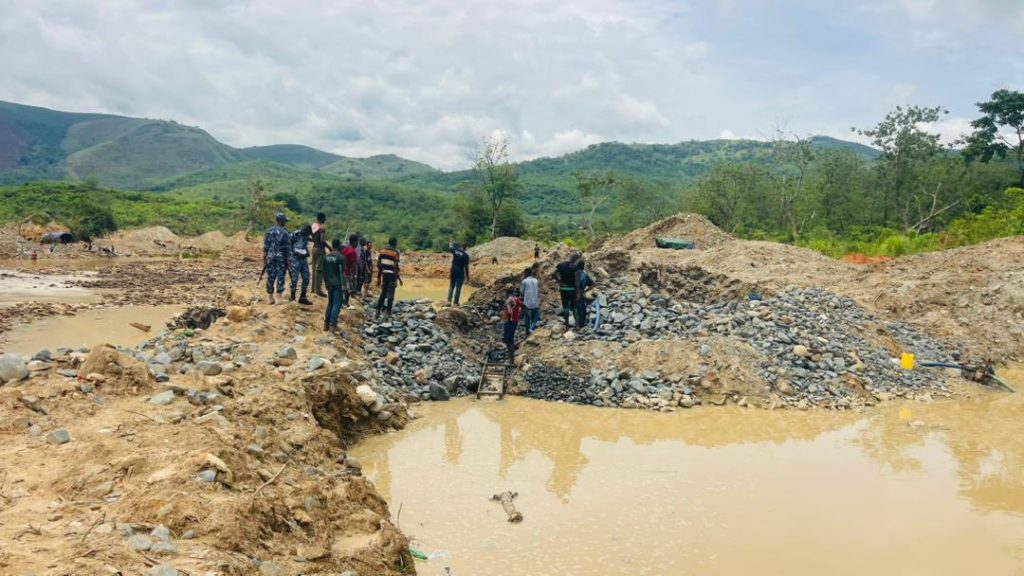
Following the latest raid, local authorities say they have put measures in place at the community level, including forming a joint patrol team made up of personnel from the Republic of Sierra Leone Armed Forces and the Sierra Leone Police.
“This local enforcement effort seems to have led to a noticeable reduction in excavator presence during the EPA’s follow-up visit,” the agency said.
But it warned that itwould closely monitor the situation while considering further regulatory and enforcement actions. And as part of this effort, it said it has since provided a toll-free line at 1999 for the public to report illegal mining activities.