







By Habib Taigore Kamara
The View of Social Linkages for Youth Development and Child Link
Recent international reports and discussions regarding Sierra Leone’s alleged role as a transit point for international drug trafficking have generated growing concern among citizens, development partners, and civil society organizations. Allegations surrounding the continued presence of international drug traffickers within the country, coupled with recent drug seizures linked to Sierra Leone, have the potential to affect the nation’s reputation, diplomatic relations, economic development, and the wellbeing of its people.
As an organization committed to the welfare of young people and vulnerable populations, Social Linkages for Youth Development and Child Link views these developments as a serious matter requiring urgent national attention and collective action.
Diplomatic and International Relations Concerns
Sierra Leone has spent many years rebuilding its international image through democratic governance, peacebuilding, and development cooperation. Any perception that the country is becoming a hub or safe haven for international drug trafficking threatens to undermine these achievements
Growing concerns from European governments could result in reduced confidence among international partners, increased scrutiny of Sierra Leonean citizens and businesses, and potential reviews of development assistance programs. Such developments may weaken diplomatic relations and hinder opportunities for international cooperation.
Reputational and Integrity Risks
A nation’s reputation is one of its most valuable assets. Investor confidence, tourism growth, development partnerships, and international trade are all influenced by how a country is perceived globally.
If Sierra Leone becomes associated with organized criminal networks and drug trafficking activities, the consequences could include:
- Reduced foreign investment.
- Increased banking and financial compliance restrictions.
- Declining tourism confidence.
- Damage to the country’s international image and credibility.
For a country striving to attract investment and create opportunities for young people, these risks cannot be ignored.
Public Health Threats to Young People
Social Linkages for Youth Development and Child Link is particularly concerned about the public health consequences associated with drug trafficking networks.
Experience from other countries shows that drug trafficking corridors often contribute to increased local drug consumption. This can lead to:
- Rising substance abuse among young people.
- Increased mental health challenges.
- Greater vulnerability to HIV, hepatitis, and other communicable diseases.
- Increased pressure on already limited health services.
Young people are often the primary targets of criminal drug markets. Without adequate prevention, education, treatment, and rehabilitation services, many youths may become trapped in cycles of addiction, poverty, and social exclusion.
Crime, Security, and Governance Challenges
The expansion of drug trafficking networks often contributes to broader security concerns, including:
- Growth of organized criminal groups.
- Increased corruption within public institutions.
- Money laundering and illicit financial activities.
- Increased violence and insecurity.
- Reduced public confidence in governance and law enforcement institutions.
Global experience demonstrates that organized crime can weaken state institutions when criminal interests gain influence over political and economic systems.
Economic Consequences for National Development
The potential economic impact of drug trafficking-related concerns could be significant.
Possible consequences include:
- Reduction in international development support.
- Declining foreign direct investment.
- Increased costs for international trade and financial transactions.
- Reduced confidence among development partners and investors.
Such outcomes would directly affect employment opportunities, economic growth, and poverty reduction efforts, particularly among young people and vulnerable communities.
A Regional Challenge for West Africa
West Africa continues to face challenges associated with international drug trafficking routes connecting Latin America, Africa, and Europe. When one country within the region is linked to major trafficking activities, the reputational impact can extend across borders and affect perceptions of regional security and governance.
Addressing these challenges therefore requires not only national action but also stronger regional cooperation among governments, law enforcement agencies, civil society organizations, and international partners.
The Way Forward
Social Linkages for Youth Development and Child Link call for:
- Strengthened anti-drug trafficking measures and law enforcement cooperation.
- Greater transparency and accountability in addressing allegations of organized crime.
- Increased investment in youth-focused drug prevention and awareness programs.
- Expansion of treatment, rehabilitation, and mental health services.
- Enhanced collaboration between government, civil society, communities, and development partners.
Conclusion
Whether all current allegations are ultimately proven or not, the growing perception that Sierra Leone may be linked to international drug trafficking networks presents serious risks to the country’s reputation, development prospects, public health, and security.
The future of Sierra Leone depends on protecting the integrity of its institutions, safeguarding its young people, and maintaining the confidence of the international community. This moment requires decisive action, transparency, and a united national commitment to preventing organized crime from undermining the country’s hard-earned progress.
Prepared from the perspective of Social Linkages for Youth Development and Child Link as a contribution to public dialogue on youth development, public health, governance, and national development.
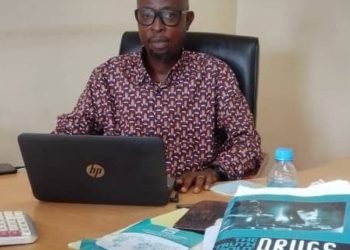
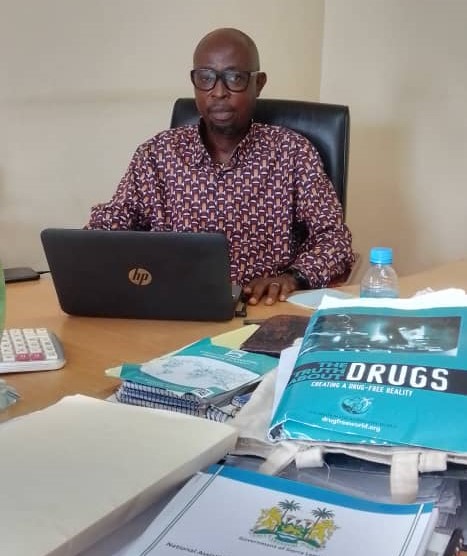
Habib Taigore Kamara is the Executive Director of Social Linkages for Youth Development and Child Link, a civil society organization that works with children and youth that are associated with drugs and other substance abuse.