





By Sulaiman Bun Ibrahim Kamara
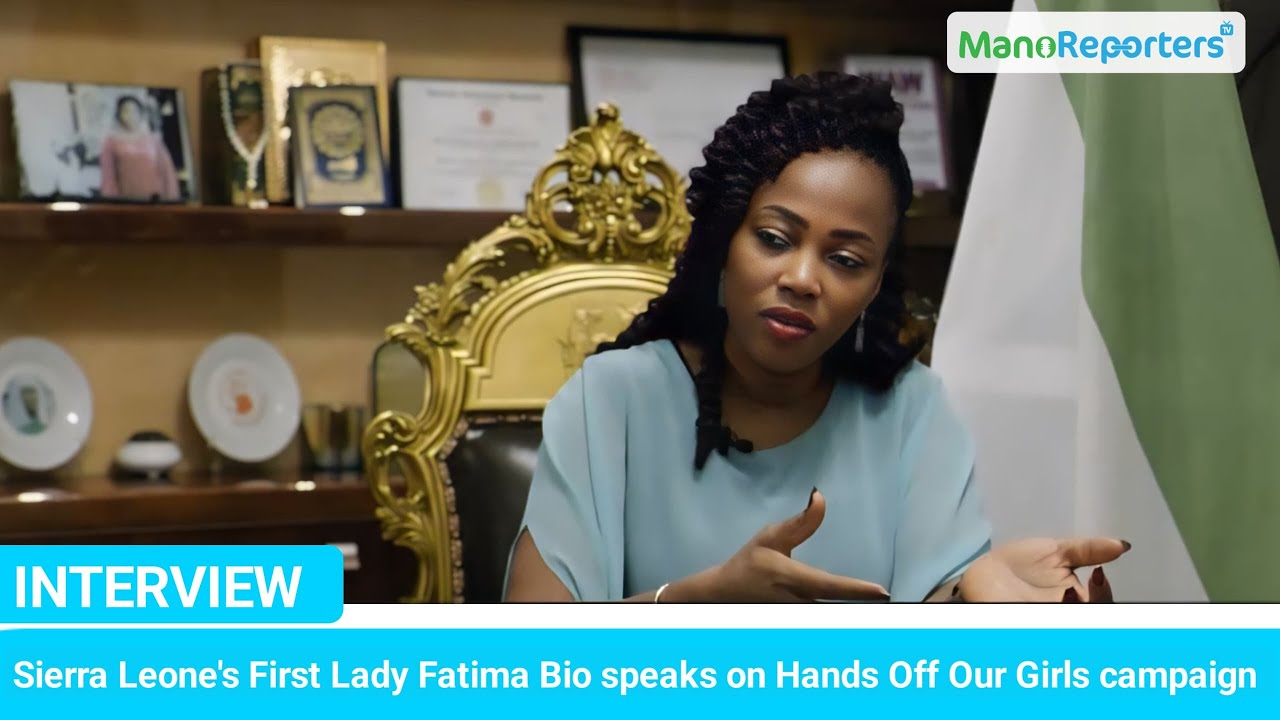
Sierra Leone’s First Lady Fatima Jabbe‑Bio has been dropped from the speaker lineup of the Global Power Women Forum following widespread criticism from women’s rights activists and survivors of Female Genital Mutilation (FGM).
The Global Power Women Forum is an annual convening that celebrates, amplifies and elevates the influence of leadership of women in business.
This year’s event is scheduled for June 9th at Cambridge University’s Wolfson College. It is being held under the theme: Women Powered Economies: apital, Trade, and the Future of Economic Governance.
The decision of the organizers – the Centre for Economic and Leadership Development (CELD) – to drop Mrs Bio followed public pressure to revoke her invitation due to her refusal to condemn FGM, a practice still prevalent in Sierra Leone. It comes after she publicly expressed support for the cultural tradition associated with FGM, following recent developments.
Mrs Bio was scheduled to speak on women’s empowerment at the event. But a coalition of survivors and activists led by The Five Foundation, in a letter addressed to CELD and Wolfson College demanding her removal from the lineup, arguing that her stance undermines global efforts against FGM. Since her husband, President Julius Maada Bio assumed office in 2018, Mrs Bio has repeatedly declined to denounce FGM publicly.
In a 2019 BBC interview, she said she was “circumcised” but did not consider the practice harmful, claiming she had not seen proof or statistics of its dangers.
Most recently, footage from a speech she delivered in the eastern Sierra Leonean district of Kenema reiterates her support for the practice. It intensified criticism against her stance.
Campaigners and her critics argue that giving her a global platform “sends a deeply troubling message” and risks undermining survivors’ advocacy.
CELD Executive Director Ibifuro Ken‑Giami confirmed Mrs Bio’s removal, noting that the organization “strongly opposes FGM.”
Sierra Leone remains one of the few West African nations where FGM is not explicitly banned by law. This controversy has reignited discussions about the role of public figures in shaping attitudes toward harmful traditional practices.
Activists view the removal of Mrs Bio as a victory for survivors and a reaffirmation of global commitment to ending FGM.