







By Kemo Cham
The World Health Organization (WHO) has classified the latest outbreak of the deadly Ebola Virus Disease (EVD) in the Democratic Republic of Congo (DRC) and Uganda as a Public Health Emergency of International Concern.
The outbreak which was first detected in DRC’s eastern Ituri province has seen over 300 suspected cases and over 80 deaths, according to data provided by Africa CDC. The case in Uganda is thought to have spread from across the border in DRC.
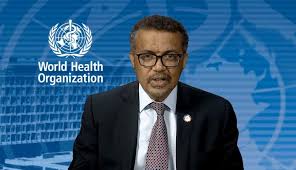
WHO in a statement on Sunday warned of a potential for the epidemic to grow and spread larger than it currently has.
“Pursuant to paragraph 2 of Article 12 – Determination of a public health emergency of international concern, including a pandemic emergency of the International Health Regulations (2005) (IHR), the Director-General of the World Health Organization (WHO), after having consulted the States Parties where the event is known to be currently occurring, is hereby determining that the Ebola disease caused by Bundibugyo virus in the Democratic Republic of the Congo and Uganda constitutes a public health emergency of international concern (PHEIC),” the global health body said.
It added that the situation did not meet the criteria of pandemic emergency, as defined in the IHR.
Ebola is a rare but severe and highly fatal viral hemorrhagic fever that damages blood vessels and affects multiple organ systems. It is caused by the ebolavirus, which is part of the filovirus family, and has an average fatality rate of roughly 50%, with past outbreaks ranging from 25% to 90%.
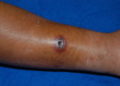
Early symptoms of infection include fever, muscle pain, fatigue, headache and sore throat, and are followed by vomiting, diarrhoea, a rash and bleeding.
The continental public health agency, Africa CDC, has also raised concern about the potential for escalation of cases in the region and called for a coordinated response.
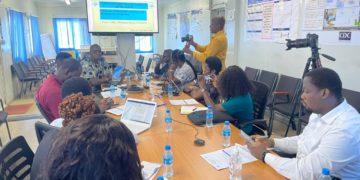
Africa CDC Director General Dr Jean Kaseya said in a statement on Friday that he had convened a high-level consultative meeting bringing together affected and at-risk countries as well as donor partners to discuss the situation.
“To strengthen coordination and guide the response, the meeting recommended the immediate activation of the continental Incident Management Support Team (IMST), bringing together all key partners to support and coordinate preparedness and response efforts across surveillance, laboratory systems, case management, infection prevention and control, risk communication and community engagement, logistics, cross-border collaboration, and rapid response operations,” Dr Kaseya said.