







By Kemo Cham

The National Public Health Agency (NPHA) of Sierra Leone has said it is monitoring, alongside the Ministry of Health (MOH), reports of the outbreak of Hantavirus overseas as part of efforts to prepare for early detection and response in the country.
The NPHA said no confirmed case of the virus has been reported in the country and called on the public to remain vigilant while it strengthens surveillance at all points of entry.
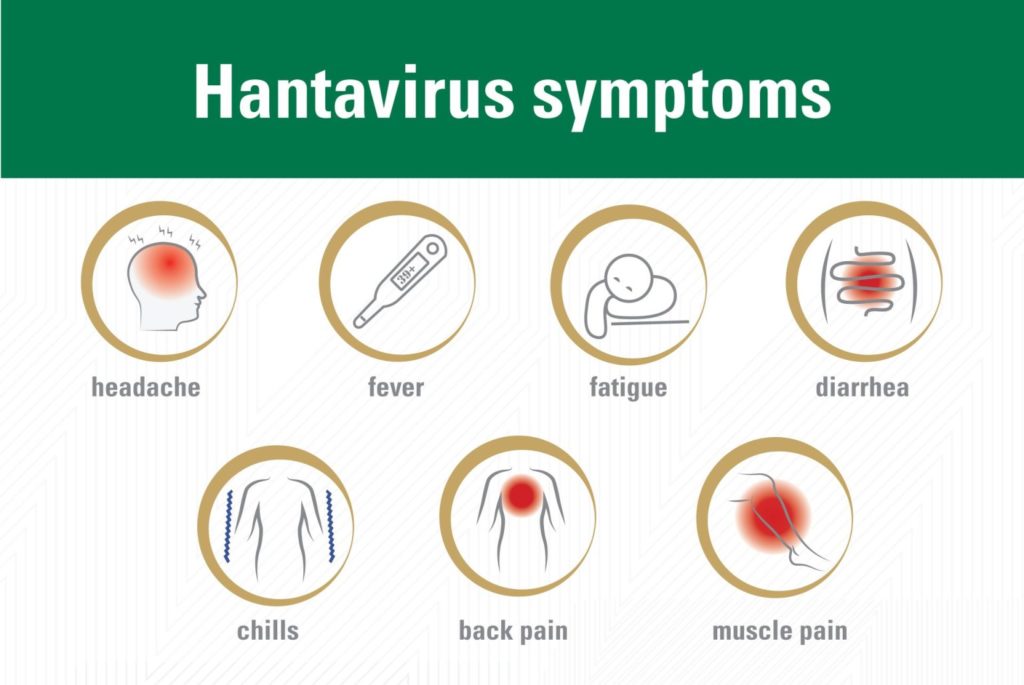
Hantaviruses are a group of viruses carried by rodents, including rats and mice, that can cause severe disease in humans. People usually get infected through contact with infected rodents or their urine, droppings or saliva. In rare cases, human to human transmission has been reported with a particular strain of the virus – Andes virus (ANDV).
The present fear of a global spread of the virus was sparked by the outbreak of this strain aboard a cruise ship in the Canary Islands.
NPHA’s Executive Director, Brig. Gen. Prof. Foday Sahr, said in a statement issued on Sunday that present information available to the agency shows that risk of the virus entering the ECOWAS region, including Sierra Leone, was low.
“The MOH and NPHA assure the public that there are no confirmed cases of Hantavirus in Sierra Leone,” he said, adding: “Surveillance at points of entry and health facilities has been strengthened for early detection and response.”
The nation’s top public health official also said that their collaboration with international partners is ensuring timely information sharing and preparedness. He added that they will initiate risk communication and community engagement to ensure that communities remained informed, aware and engaged.
NPHA advised the public to ensure they keep their homes and surroundings clean, store food safely, dispose of waste properly to prevent rodent infestation. People are also urged to wear protective gears when cleaning rodent infested areas, or seek medical attention if flu-like symptoms develop after rodent exposure or recent travel.
According to the World Health Organization (WHO), as of 8 May, a total of eight cases, including three deaths (with a case fatality ratio of 38%) have been reported. WHO said that six cases have been laboratory-confirmed as hantavirus infections, with all identified as ANDV.
The cruise ship, the M/V Hondius, reportedly sailed from Argentina with 147 passengers and crew onboard. It was headed for the Canary Islands, via Cape Verde in West Africa. When it arrived Cape Verde, the authorities prevented it from docking, leaving it anchored off the country’s coast for three days before sailing off. When the outbreak was detected, 34 passengers and crew had previously disembarked., according to WHO. The UN health agency said that through the International Health Regulations (2005) (IHR) channel, National IHR Focal Points have all been informed and are supporting international contact tracing efforts.
About 150 of the passengers of the ship are said to be nationals of about 23 countries. But only about a dozen countries are directly affected, among them South Africa, where one of those infected died and another remains hospitalised. The deceased victim, a Dutch woman, flew into Johannesburg from St. Helena. Reports in the local South African media says she collapsed at the O.R. Tambo International Airport on arrival and later died in the hospital.
The Africa Centers for Diseases Prevention and Control also cautioned Member States of the African Union to remain vigilant. “At this time, the outbreak appears confined to the cruise ship, with no evidence of transmission within African countries. The risk to the general public remains low. Nonetheless, Africa CDC advises Member States to strengthen port health services, reinforce infection prevention and control measures, and ensure timely reporting of suspected cases,” the continental public health agency said in a statement.