






By Kemo Cham
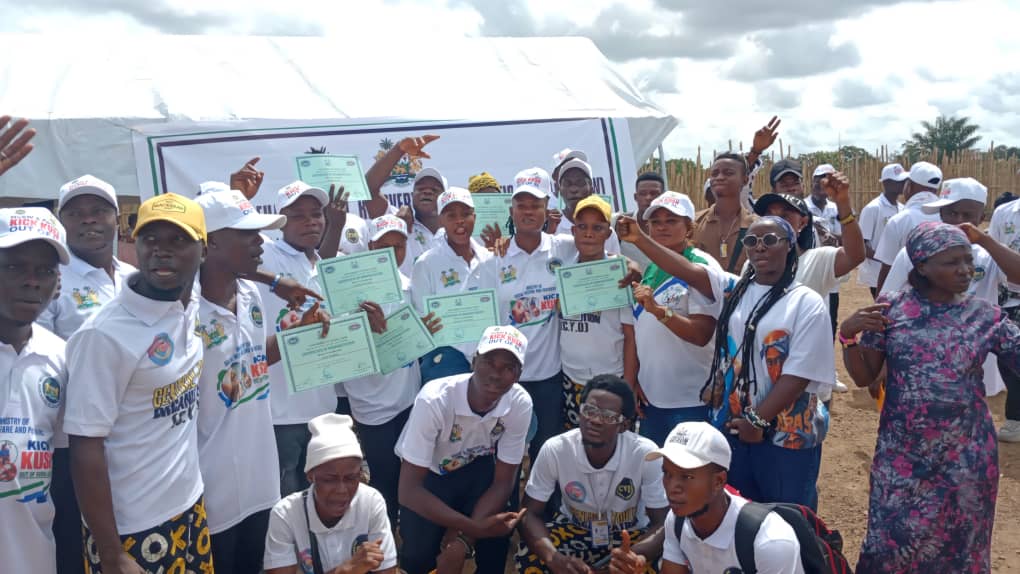
The National Taskforce on Drugs and Substance Abuse last week graduated a total of 100 people from drug rehabilitation centers in two districts.
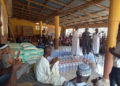
On Friday, 5th June, the first batch of 50 people graduated from the 9 Battalion Drug and Substance Abuse Rehabilitation Centre in Kono. They comprised 46 males and 4 females. On Saturday, 6th June, the second batch of 48 people (43 males and 5 females) graduated from the Teko Barracks Drug and Substance Abuse Rehabilitation Centre in Makeni.
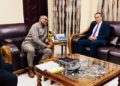
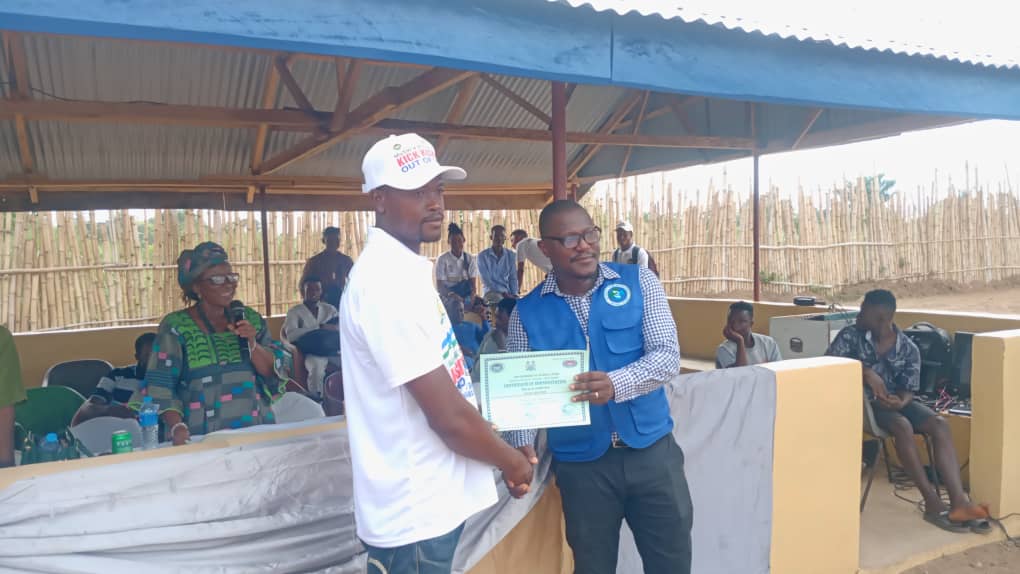
Both ceremonies were presided over by Alhaji Sesay of the National Public Health Agency, who stood in for the National Coordinator of the National Task Force on Drug and Substance Abuse, Prof. Foday Sahr.
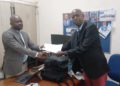
Mr Sesay in a statement congratulated all the graduates for their commitment and resilience throughout their recovery journey. He acknowledged and commended the Republic of Sierra Leone Armed Forces for their continued leadership in managing rehabilitation centres and providing a supportive environment that promotes recovery and positive behavioural change. He also recognition the Ministry of Social Welfare for the critical role it plays in the screening and assessment of service users, provision of psychosocial support services, and coordination of reintegration support to help beneficiaries successfully return to their families and communities.
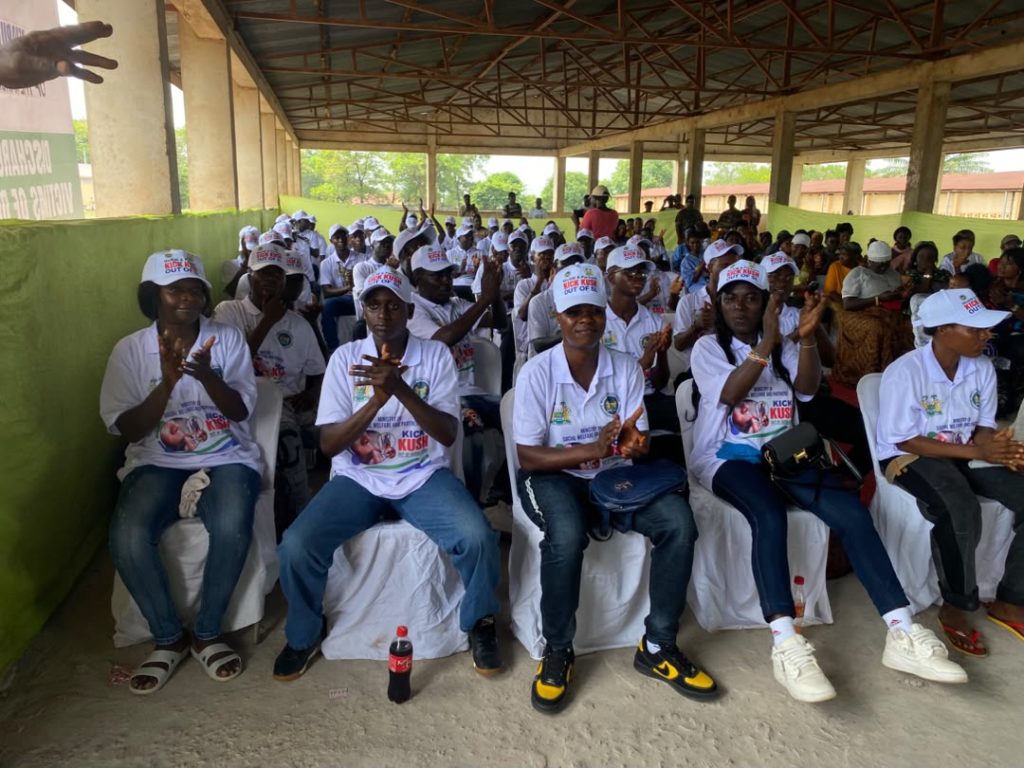
These latest graduations bring the cumulative number of individuals rehabilitated and successfully discharged from five rehabilitation centers across the country to 853. Sesay reaffirmed the Sierra Leone government’s unwavering commitment to addressing the drug and substance abuse crisis nationwide, noting that the government remain the sole funder of all five centers.
According to a news release from the National Taskforce, the government has committed additional resources to strengthen rehabilitation services and improve on operations of facilities, support law enforcement interventions in drug hotspotcommunities and expand public awareness and community engagement programmes in schools, universities and affected communities. The government also promised to support civil society organizations to engage vulnerable and high-risk populations. Importantly, under the leadership of the Taskforce, the screening and admission process will be enhanced through the Social Welfare Ministry, as well as folow-up monitoring and support for discharged champions.
To ensure success in all this, the Taskforce calls on communities, families and stakeholders to actively support the integration of the discharged champions as they seek to rebuild their lives and make meaningful contributions to society.
“Recovery is possible, rehabilitation works, and community support remains essential to sustianing these gains,” it said.
The Taskforce also encouraged women and girls to affected by drug and substance abuse to seek assistance from the nearest Ministry of Social Welfare office in their respective district.
“Help is available and recovery is within reach,” it concluded.