









By Habib Taigore Kamara
Background
Sierra Leone is experiencing an unprecedented synthetic drug crisis driven by the widespread use of “Kush,” a highly potent psychoactive substance that has rapidly become a major public health concern. Reports suggest Kush contains a combination of synthetic cannabinoids, nitazenes and other adulterants, although its composition varies considerably between batches. The increasing prevalence of Kush use has been associated with rising overdose events, severe mental health disorders, violence, homelessness, and increased vulnerability to HIV, hepatitis, tuberculosis, and other infectious diseases.
Objective
This review examines the emergence of Kush in Sierra Leone, explores its public health implications, and evaluates current harm reduction responses while identifying opportunities for strengthening national policy and health system preparedness.
Methods
A narrative review was conducted using peer-reviewed literature, government reports, publications from international organizations, policy documents, and programmatic experiences from community-based harm reduction services operating in Sierra Leone.
Results
Available evidence indicates that Kush has become one of the most significant drug-related public health emergencies in Sierra Leone. The crisis is driven by unemployment, poverty, social exclusion, weak mental health services, limited treatment infrastructure, and an unregulated illicit drug market. Community-led harm reduction interventions—including outreach, overdose prevention education, naloxone distribution, HIV services, wound care, psychosocial support, and referral systems—have demonstrated potential to reduce adverse health outcomes despite significant resource limitations.
Conclusion
Addressing the Kush crisis requires an integrated public health response combining prevention, harm reduction, treatment, rehabilitation, mental health care, law enforcement reform, and community participation. Expanding evidence-based harm reduction services should become a national priority.
Keywords: Kush, Synthetic Drugs, Harm Reduction, Nitazenes, Public Health, Sierra Leone, Drug Policy, Overdose
Introduction
Drug markets worldwide are undergoing rapid transformation with increasing availability of synthetic psychoactive substances. Unlike traditional drugs, synthetic substances are often manufactured illicitly using constantly changing chemical formulations, making detection, regulation, and treatment particularly challenging.
In Sierra Leone, the emergence of Kush represents one of the country’s most pressing public health emergencies. Since approximately 2022, reports have documented increasing use among adolescents and young adults, accompanied by serious health and social consequences. Public concern has intensified because Kush users frequently exhibit severe intoxication, prolonged unconsciousness, psychosis, impaired motor function, and risky behaviors that increase vulnerability to infectious diseases and injury.
The chemical composition of Kush remains highly variable. Laboratory analyses conducted on seized samples have identified synthetic cannabinoids and highly potent synthetic opioids, including nitazenes, among other substances, highlighting the unpredictability of toxicity and overdose risk.
The objective of this review is to synthesize current knowledge regarding Kush in Sierra Leone and examine evidence-based harm reduction responses.
Methods
This narrative review included:
- Peer-reviewed publications
- WHO reports
- UNODC publications
- Government policy documents
- Reports from international organizations
- National surveillance reports
- Programmatic experiences from community harm reduction initiatives
Studies addressing synthetic drugs, synthetic cannabinoids, nitazenes, overdose prevention, and harm reduction in low-resource settings were included.
The Emergence of Kush in Sierra Leone
Several interacting factors appear to have contributed to the emergence of Kush:
- High youth unemployment
- Poverty
- Urbanization
- Trauma associated with civil conflict and disease outbreaks
- Weak mental health infrastructure
- Increased trafficking of synthetic substances
- Limited access to treatment
The composition of Kush is inconsistent, with reports indicating mixtures of plant material sprayed with synthetic cannabinoids and other psychoactive substances, including potent synthetic opioids.
Because users rarely know the contents or potency of a given batch, the risk of poisoning and overdose is substantial.
Public Health Implications
Rising Overdose Risk
Nitazenes are substantially more potent than morphine and can cause rapid respiratory depression. Their presence in some Kush samples significantly increases the likelihood of fatal overdose.
Mental Health Consequences
Health workers increasingly report:
- Acute psychosis
- Anxiety
- Depression
- Hallucinations
- Aggressive behaviour
- Suicide risk
Long-term users frequently require psychiatric care.
Infectious Diseases
Kush use contributes to:
- HIV transmission
- Viral hepatitis
- Tuberculosis
- Sexually transmitted infections
These risks are driven by poor hygiene, unsafe injecting practices (where applicable), risky sexual behaviour, homelessness, and delayed healthcare seeking.
Social Consequences
Communities report:
- School dropout
- Family disruption
- Homelessness
- Violence
- Crime
- Stigma
- Loss of productivity
Current Harm Reduction Responses
Community organizations have implemented several interventions despite limited resources.
Outreach Services
Peer outreach workers provide:
- Risk education
- Health information
- Referral services
- Psychosocial support
Needle and Syringe Programmes
Where injecting occurs, sterile equipment reduces HIV and hepatitis transmission.
Naloxone Distribution
Community naloxone programmes enable rapid reversal of opioid overdose and can substantially reduce mortality when paired with training for peers, families, and first responders.
HIV Services
Integrated services include:
- HIV testing
- Condom distribution
- PrEP
- ART referral
- STI screening
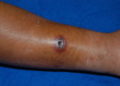
Wound Care
Many users experience untreated wounds requiring:
- Cleaning
- Dressing
- Infection management
- Referral
Mental Health Integration
Psychological first aid and referral pathways should become routine components of harm reduction services.
Challenges
Major barriers include:
- Criminalization
- Stigma
- Limited funding
- Shortage of addiction specialists
- Weak surveillance systems
- Lack of toxicology laboratories
- Inadequate rehabilitation centres
- Limited overdose surveillance
- Poor integration between health and social services
Opportunities
Sierra Leone has significant opportunities to strengthen its response through:
- National overdose surveillance
- Expansion of harm reduction programmes
- Wider naloxone availability
- Improved toxicological testing
- Integration of addiction care into primary healthcare
- Community-based rehabilitation
- Mental health service expansion
- Youth-focused prevention programmes
- Stronger collaboration among government, civil society, academia, and development partners
Policy Recommendations
- Scale up community-based harm reduction services nationwide.
- Integrate addiction treatment into primary healthcare.
- Expand naloxone availability and overdose response training.
- Strengthen laboratory capacity to identify emerging synthetic substances.
- Develop national surveillance systems for drug-related harms.
- Increase investment in mental health and rehabilitation services.
- Promote evidence-informed drug policies that prioritize health and human rights.
- Support operational research on Kush epidemiology and intervention effectiveness.
Conclusion
The emergence of Kush represents a rapidly evolving public health emergency in Sierra Leone. Its unpredictable composition, high overdose potential, and broad social consequences demand a coordinated, evidence-based response. Harm reduction interventions provide an essential foundation for reducing immediate harms while creating pathways to treatment and recovery. Long-term success will depend on sustained political commitment, adequate funding, strengthened health systems, and meaningful engagement of affected communities.
Suggested Tables and Figures
Table 1. Reported Public Health Consequences of Kush Use in Sierra Leone
| Domain | Examples |
| Physical Health | Overdose, respiratory depression, injuries, infections |
| Mental Health | Psychosis, anxiety, depression, hallucinations |
| Infectious Diseases | HIV, hepatitis, TB, STIs |
| Social | Homelessness, crime, unemployment, stigma |
Table 2. Community-Based Harm Reduction Interventions
| Intervention | Expected Impact |
| Outreach | Increased awareness and service uptake |
| Naloxone | Reduced overdose mortality |
| HIV Services | Lower HIV transmission and improved treatment linkage |
| Mental Health Referral | Improved psychological wellbeing |
| Wound Care | Reduced infections and complications |
Conceptual Framework: Drivers of the Kush Crisis and Public Health Response
A diagram illustrating how socioeconomic factors, the illicit drug market, and health system gaps contribute to the Kush crisis, and how harm reduction, treatment, rehabilitation, mental health services, and policy reforms can reduce adverse outcomes.
Habib Taigore Kamara is the Executive Director of Social Linkages for Youth Development and Child Link, a civil society organization that focuses on combating substance abuse—particularly the ‘Kush’ epidemic—and provides medical care, rehabilitation support, and education to at-risk youth and children associated with drugs.
He can be reached on Mobile Number: +23279356230/+23288786698; Email Address: slydcl@gmail.com