




By Kemo Cham
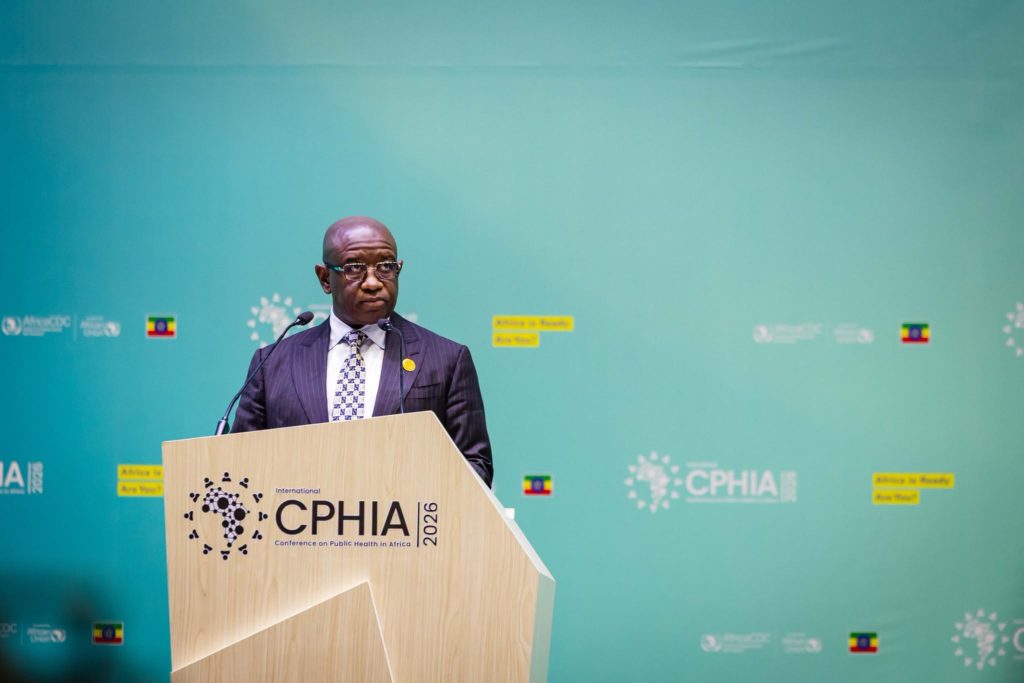
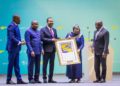
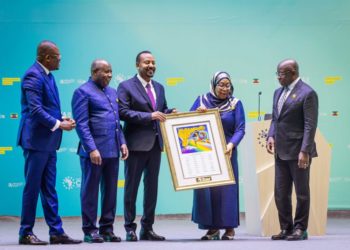
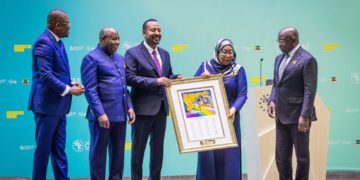
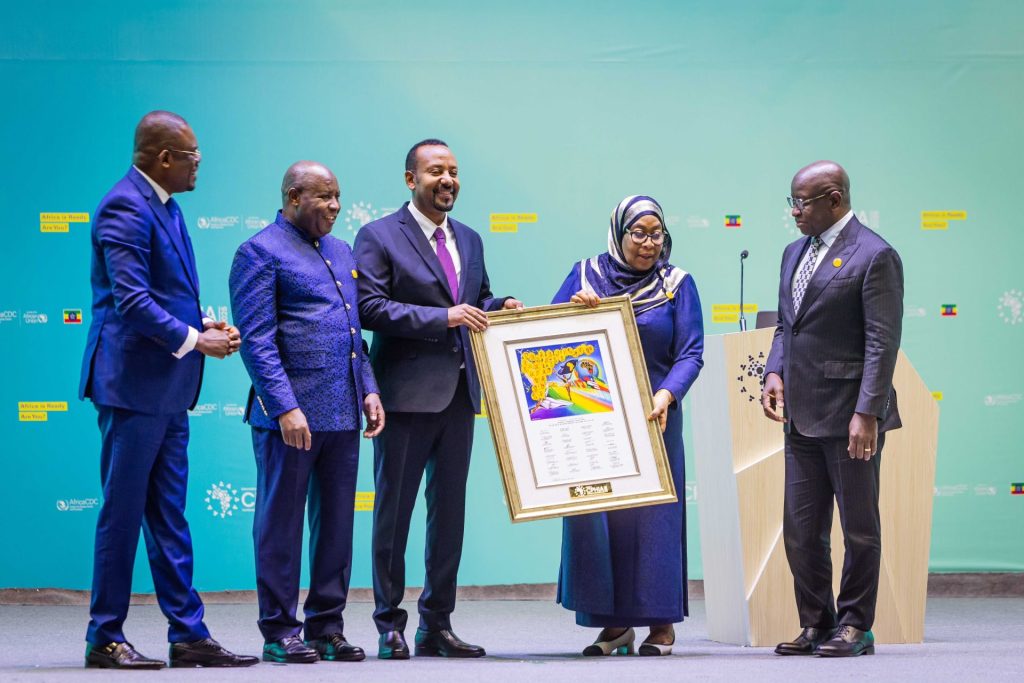
The Africa Centers for Diseases Control and Prevention (Africa CDC) has awarded Sierra Leone’s President Julius Maada Bio for his commitment to material and child health. President Bio was conferred with the honor at the ongoing Conference on Public Health in Africa (CPHIA) in Addis Ababa, Ethiopia.
CPHIA brings together African Heads of State, Ministers of Health, scientists, policymakers and development partners to advance the continent’s public health agenda. The 2026 edition is being convened under the theme: “Africa’s Health Security and Sovereignty: Transformation from Health Dependency and Vulnerability to Ownership and Resilience.”
President Bio was awarded with the Presidential Award for Health Transformation, alongside several other African political leaders, scientists and global health partners for their contributions to public health. Fellow awardees included President Evariste Ndayishimiye of Burundi, President João Lourenço of Angola, President John Dramani Mahama of Ghana, and President Netumbo Nandi-Ndaitwah of Namibia. Bio was recognized for his leadership and commitment to Sierra Leone’s 300 Days of Activism for Triple Zero. The initiative aims to end preventable maternal and child deaths and zero dose children.
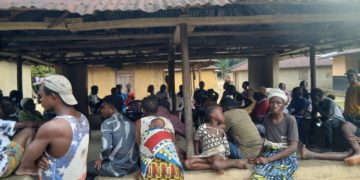
The campaign was first championed by the Sierra Leonean leader at the African Union Assembly of heads of state in Addis Ababa in February this year. His government, through the Ministry of Health, launched the campaign in March. Eight months later, data provided by the Ministry of Health indicates “significant” progress. According to the data presented at the opening ceremony of CPHIA2026 on Monday, President Bio revealed that the country recorded a 33.8% reduction in maternal deaths and a 12.1% decline in child deaths, compared to the same period in 2025. The data also shows that 10,764 previously unreached zero-dose children received lifesaving vaccines, surpassing the national target.
The Africa CDC is the public health agency of the African Union. As an autonomous institution, it supports AU Member States in strengthening health systems, improving disease surveillance, and enhancing emergency preparedness and response. This year’s conference coincides with a decade of its work in advancing continental public health cooperation, supporting Member States in disease surveillance, emergency preparedness and response, workforce development and regional coordination.
CPHIA2026, which is running from 23 to 27 November, is taking place at the Addis International Convention Centre (AICC). It comes amid declining external health financing and persistent public health threats, underscoring the need for stronger national institutions and sustainable health financing.
“CPHIA is not a conference. CPHIA is a movement, a movement for Africa’s security and sovereignty,” said Dr Jean Kaseya, Africa CDC Director General.
“We in Africa understood that sovereignty is coming with responsibility. Responsibility is coming with good governance, trust and accountability,” he added.
Highlights at Monday’s opening included the launch of the African Union Champions’ Roadmap on reproductive, maternal and child health (RMNCAH 2026–2030), and the presentation of the Artificial Intelligence and Digital Health Championship. The RMNCAH 2026–2030 seeks to accelerate progress towards three objectives, known as the Three Zeros: zero home deliveries, zero preventable maternal and newborn deaths, and zero unvaccinated children.
“The success of this roadmap will depend on effective national implementation, and I therefore call upon all African Union Member States to designate empowered national focal points and integrate the Three Zeros into their existing national health strategies,” said Tanzanian President Samia Suluhu Hassan, who is the African Union Champion for RMNCAH.
President Bio’s presentation at the event shows that Sierra Leone is already setting the pace in these efforts. Under its campaign, the Ministry of Health, hospitals and district teams conduct weekly reviews of maternal and child deaths to identify contributing factors, assign corrective actions and monitor progress, the president told delegates.
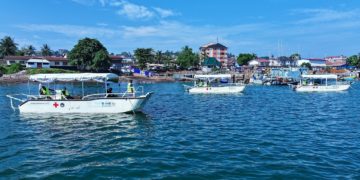
President Bio however noted that progress remains uneven, particularly in Freetown, where maternal deaths have increased and delays in referral and emergency care persist. He stressed the need to strengthen emergency obstetric care, improve ambulance referrals and ensure that health facilities have trained personnel, blood supplies and essential medicines.