







By Brima Sannoh
The interception of a cargo ship reportedly linked to Sierra Leone and carrying what authorities estimate to be between 30 and 45 tonnes of cocaine has sent shockwaves across the country, triggering concern among civil society groups, anti-drug campaigners, and ordinary citizens alike.
The vessel, reportedly intercepted by Spanish authorities near the Canary Islands and Western Sahara region, is believed to be connected to one of the largest cocaine seizures ever recorded in Europe.
While investigations are ongoing, the development has once again placed Sierra Leone at the center of uncomfortable international conversations about drug trafficking and organized crime in West Africa.
For many Sierra Leoneans, the incident is more than just another international drug bust. It is a painful reminder of the country’s long struggle with weak institutions, corruption concerns, youth vulnerability, and growing fears that international criminal networks may be exploiting the country’s strategic coastal location.
A few days ago, the Government of Sierra Leone, through the Office of National Security (ONS), issued a press release assuring citizens that the country’s security sector was actively investigating the alleged cocaine ship.
The statement also called on Sierra Leoneans to support ongoing investigations by providing any useful information that could help authorities identify and arrest those involved.
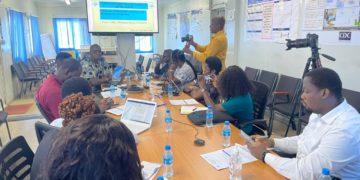
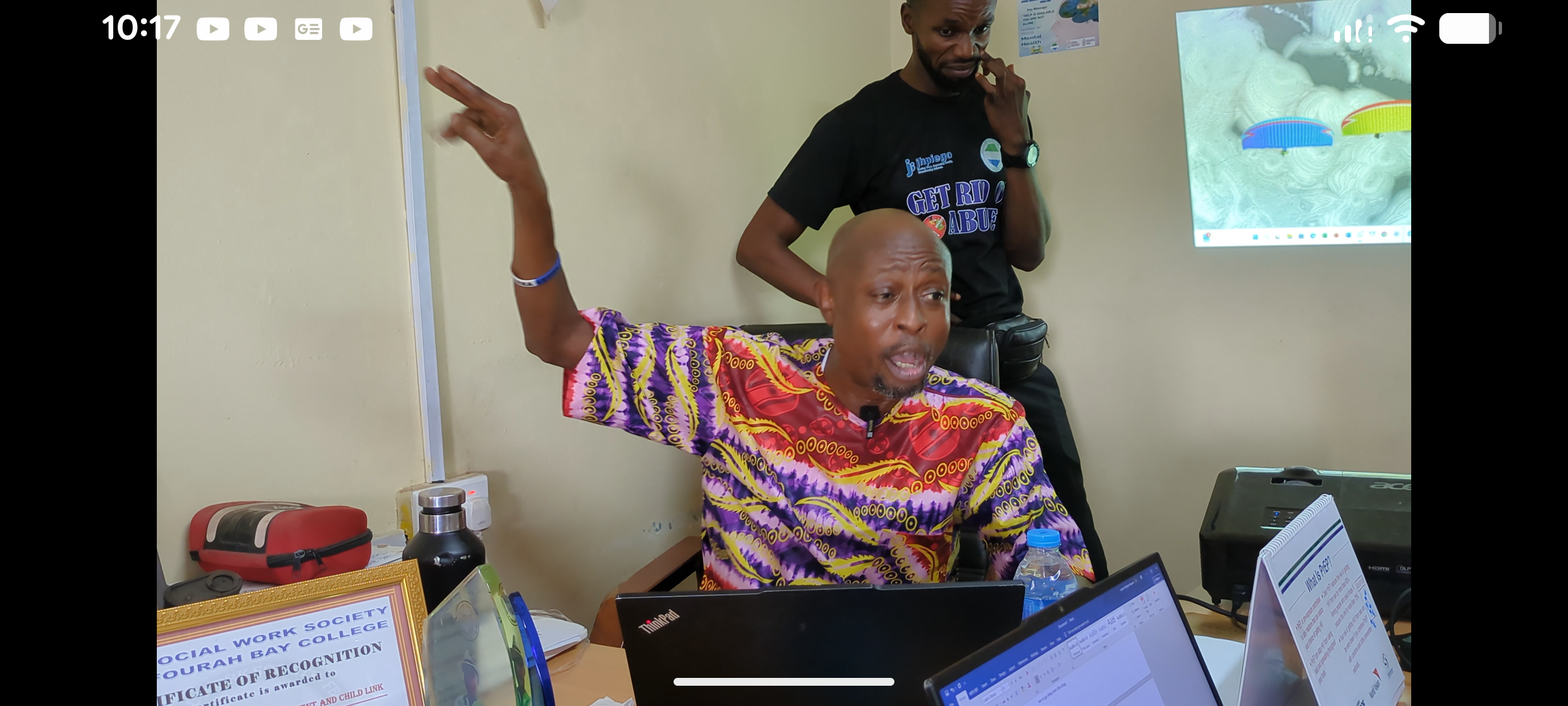
Among the first organizations to publicly react to the development is Social Linkages for Youth Development and Child Link (SLYDCL), a local civil society organization working with vulnerable young people and People Who Use Drugs (PWUDs). In a strongly worded statement, the organization described the incident as “a serious public health, security, governance, and human rights concern, and not merely a criminal justice issue.”
“This incident has negatively affected the image of Sierra Leone internationally,” the organization stated.
“It raises concerns about West Africa continuing to serve as a transit corridor for international drug trafficking networks,” it added.
The statement reflects growing anxiety among campaigners who fear the country’s international reputation could suffer further if stronger actions are not taken to secure ports, strengthen law enforcement systems, and improve transparency within maritime operations.
Fear of Sierra Leone Becoming a Transit Hub
Across West Africa, several countries have over the years struggled with the influence of international drug trafficking syndicates.
Experts say weak border controls, under-resourced security institutions, and corruption vulnerabilities have made parts of the region attractive transit points for narcotics destined for Europe and beyond.
For Sierra Leone, the latest seizure revives memories of past controversies involving drug trafficking allegations that brought embarrassment to the country on the global stage.
One of the country’s most notable drug trafficking incidents occurred when authorities seized about 700 kilograms of cocaine from an aircraft that landed at the Lungi International Airport on 14th July, 2008.
At the time, security officials described it as Sierra Leone’s biggest cocaine seizure. Then Inspector General of Police Francis Munu, reportedly said the drugs had an estimated street value of about 35 million US dollars, based on United Nations Office on Drugs and Crime estimates.
Authorities also reportedly discovered automatic rifles and hundreds of rounds of ammunition onboard the aircraft, while crew members allegedly fled before they could be arrested.
The incident intensified concerns that international drug trafficking networks were increasingly using Sierra Leone and other West African states as transit routes for cocaine shipments from Latin America into Europe.
More recently, international attention was also drawn to Sierra Leone following reports surrounding Dutch drug kingpin Jos Leijdekkers, widely known as “Bello Jos.” The 33-year-old, who was reportedly sentenced in absentia to 24 years imprisonment in the Netherlands for smuggling seven tonnes of cocaine, robbery, and ordering a killing, was allegedly captured on video in Bonthe District in southern Sierra Leone on January 1, 2025.
The incident generated widespread international media attention and renewed concerns over the presence and influence of transnational drug trafficking figures within the West African region.
Security experts have long warned that weak border monitoring systems, vast coastlines, and limited enforcement capacity continue to make parts of West Africa vulnerable to organized criminal networks.
Civil society activists say the concern is not only about the drugs intercepted abroad, but also about what such operations could mean for communities back home.
“Drug trafficking does not happen in isolation,” a youth advocate in Freetown said. “Where large networks operate, communities often experience increased violence, addiction, exploitation of vulnerable youths, and loss of public trust in state institutions.”
According to international maritime intelligence reports, the intercepted vessel identified as ARCONIAN was reportedly a 37-year-old cargo ship operating under the Comorian flag. Authorities said the ship was intercepted on May 3, 2026, in Atlantic waters off Dakhla, Morocco, before being escorted to Las Palmas in the Canary Islands, where investigators reportedly discovered between 30 and 45 tonnes of cocaine onboard — a seizure now being described as one of the largest in European law enforcement history.
Maritime analysts further revealed that the vessel had reportedly displayed several suspicious indicators months before the interception. Reports suggested the ship had changed its name, flag, and identification details after disappearing from tracking systems for more than a month while traveling along a known cocaine trafficking corridor linking West Africa to Europe.
“The ARCONIAN case is significant not only because of the quantity of drugs seized, but because it exposes how organized trafficking networks continue to exploit weak monitoring systems and international shipping routes,” the report noted.
The findings have deepened concerns among anti-drug campaigners and security observers in Sierra Leone, many of whom believe the incident highlights the urgent need for stronger maritime surveillance, improved intelligence gathering, and tighter monitoring of shipping activities across the region.
SLYDCL warned that international trafficking operations could contribute to increased local drug availability, worsening addiction and social instability in vulnerable communities.
According to the organization, Sierra Leone must begin to view the drug crisis not only through the lens of criminal justice, but also through public health and social protection.
As investigations continue into the intercepted vessel, many Sierra Leoneans are now waiting to see whether the latest scandal will become another forgotten headline or a turning point that finally pushes authorities toward meaningful reforms in the fight against organized drug trafficking.