





By Kemo Cham
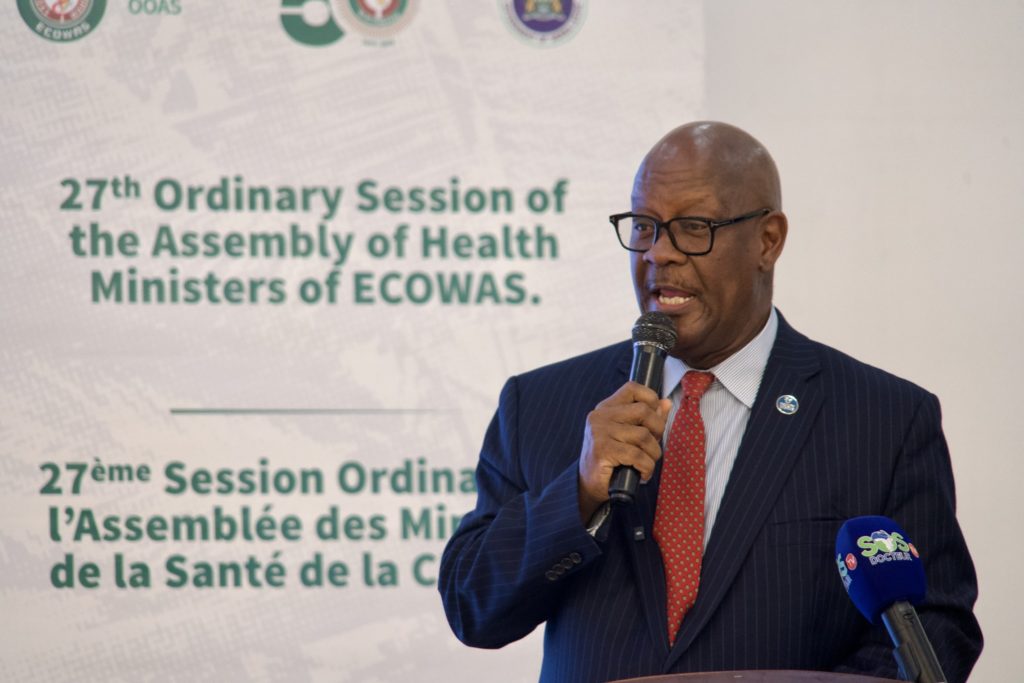
Sierra Leone’s Chief Minister, Dr. David Moinena Sengeh, has told West African Health Ministers that citizens of the sub region expects results rather than explanation.
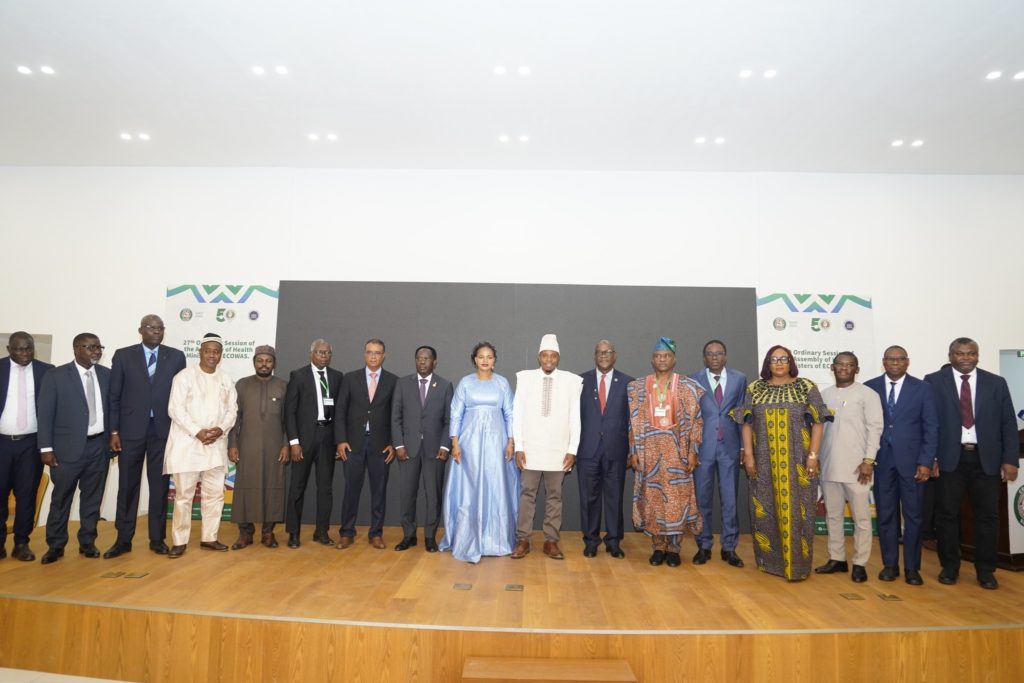
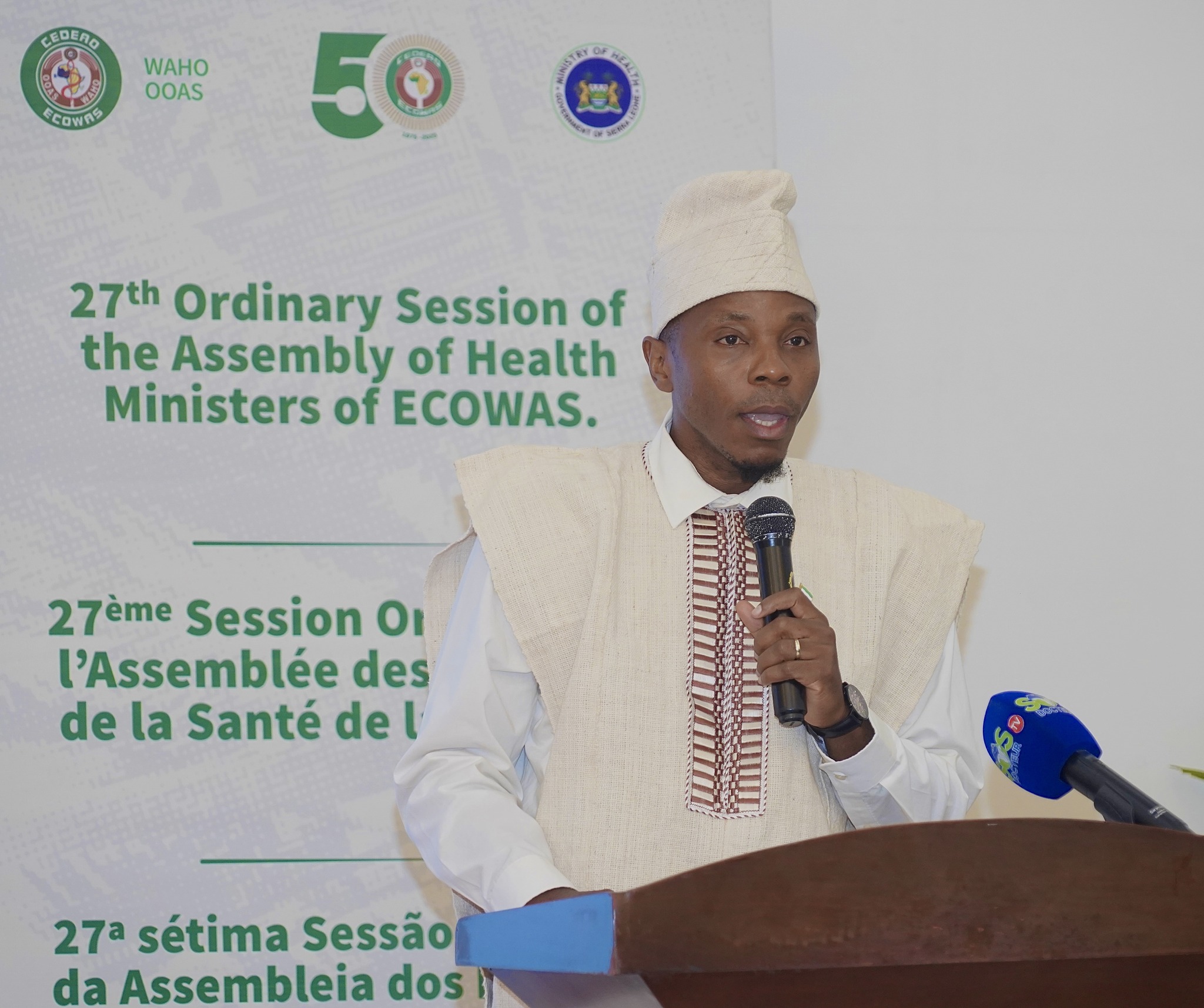
“Our governments must deliver on promises made to our people, especially in rural communities where the true test of our systems lies,” Dr. Sengeh said as he officially declared the 27th Ordinary Session of the Assembly of Health Ministers of the Economic Community of West African States (ECOWAS) on Friday, April 24th, 2026.
Dr Sengeh spoke on behalf of President Julius Maada Bio as Chairman of the Authority of Heads of State and Government of ECOWAS,
Citing recent success in Sierra Leone’s efforts against Hepatitis, Sengeh illustrated how coordinated, data-driven systems can save lives, noting that the same results can be achieved for malaria with similar approach.
In his address, Sengeh stressed the strategic importance of the Assembly as a platform for decisive regional action, noting that population health remains a key indicator of governments’ ability to deliver on their fundamental responsibilities. He called for concrete, measurable outcomes and accelerated progress from malaria control to elimination through stronger, data-driven and innovative health systems, before formally declaring the session open.
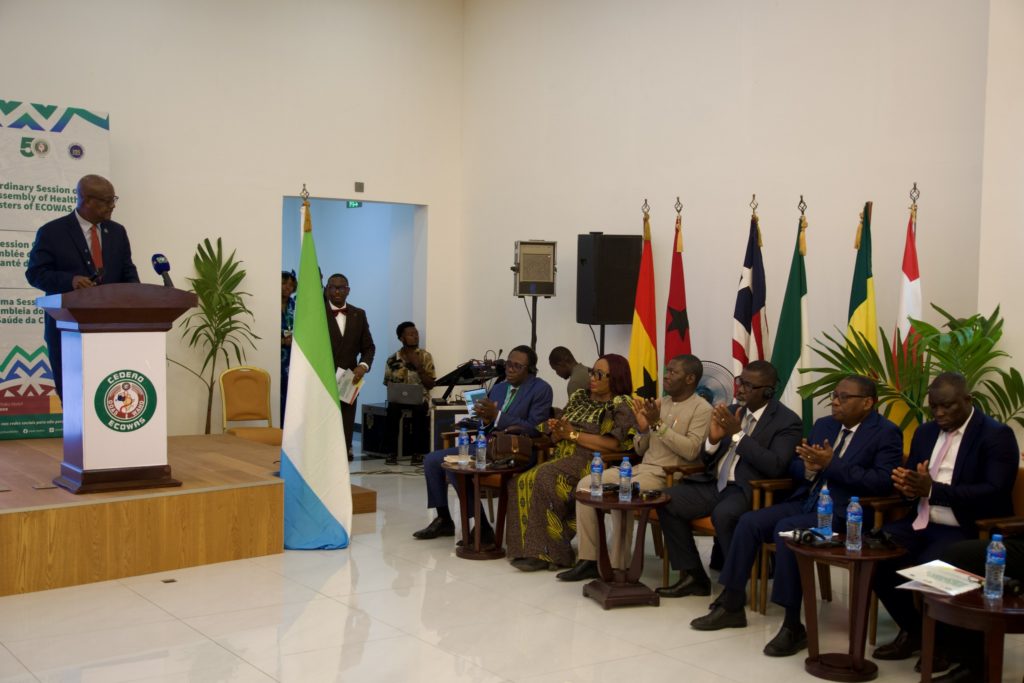
The ECOWAS Health Ministers meeting in Freetown was convened on the theme: “Advancing Malaria Elimination through an Integrated Regional Approach.”
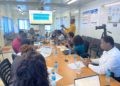
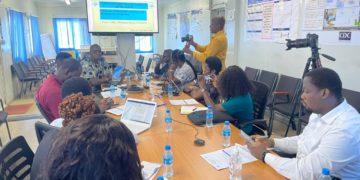
Over 500 delegates, including ministers, experts, partners and observers, attended the event from April 20th to 25th, with the objective of addressing some of the continent’s most pressing healthcare challenges.
The Ministers were expected to review progress during the course of the 5 days, identify gaps, and proposed practical strategies to strengthen surveillance, improve service delivery, and enhance cross-border healthcare coordination. They were also supposed to review and adopt key recommendations to strengthen regional collaboration, improve data use, increase financing, and expand equitable access to malaria services.
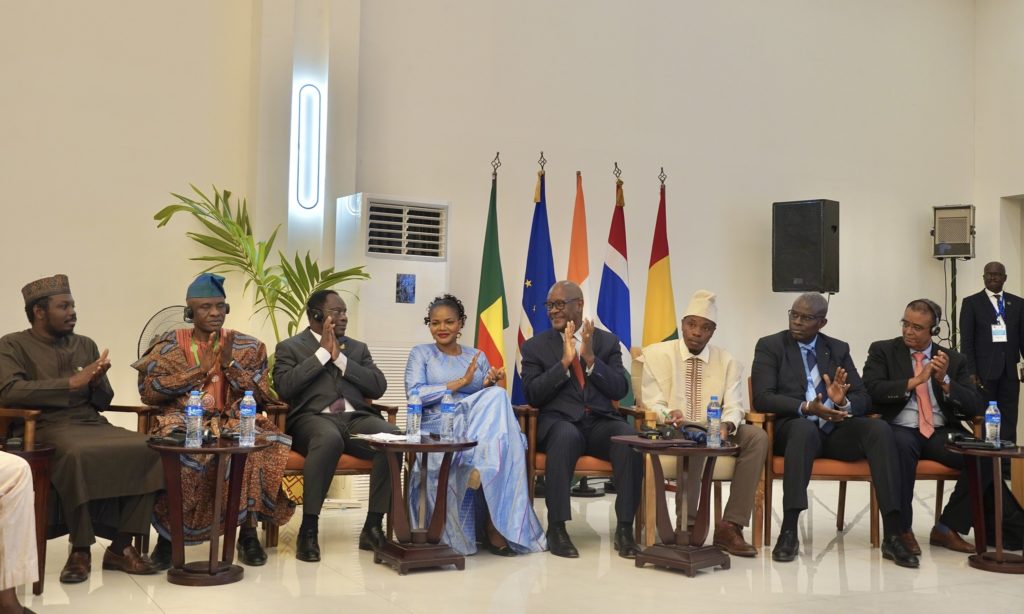
The annual meeting was organised by the West African Health Organisation (WAHO), in collaboration with the Ministry of Health of Sierra Leone. The host Health Minister Dr. Austin Demby, who was also Chairman of the Assembly, expressed pride for hosting the gathering.
“It is an incredible honour to serve as Chairperson of this Assembly; a privilege that flows directly from the leadership of His Excellency President Julius Maada Bio, who champions health as a cornerstone of Sierra Leone’s development agenda,” he said.
Dr Demby cited renewed political commitment in the region to place health at the centre of sustainable development, stressing that the urgency of intensifying malaria elimination efforts in the face of stalled global progress since 2015, declining external financing, and the growing effects of climate change on transmission dynamics. In this regard, he called for increased domestic investment, innovation, and the transformation of health systems into more resilient and responsive platforms.
Dr Melchior Athanase J. C. Aïssi, Director General of WAHO, said no country can eliminate malaria in isolation, calling for a coordinated regional approach built on solidarity, harmonised interventions, and strengthened data and resource sharing.
Dr Aïssi singled out Cabo Verde as the only Member State to have been certified malaria-free, among many other progress in the sub region. But he warned that sustaining these gains will require stronger political commitment, technical rigour, and sustained domestic financing.
Dr Aïssi, in his address to the delegates, presented the regional strategic framework for malaria elimination, which prioritises strengthened health governance, digital transformation, effective data utilisation, local innovation, and community engagement, reaffirming the ambition to eliminate malaria across the ECOWAS region within the next decade.
Speaking on behalf of technical and financial partners, Mr. Dionke Fofana reiterated their continued support to strengthening health systems in the region. He underscored the Assembly’s role in defining shared priorities and called for intensified regional efforts through integrated approaches focused on domestic financing, innovation, data-driven decision-making, and enhanced private sector engagement. He also paid tribute to the Director General of WAHO, commending his leadership and the progress achieved under his tenure despite persistent challenges.