






By Kemo Cham
The West African Health Organization (WAHO) has called on Member States of the Economic Community of West African States (ECOWAS) to prioritise malaria elimination as a national development issue.
The sub regional health agency, in a statement commemorating World Malaria Day on April 25, 2026, also called on countries to increase domestic investment in the healthcare sector and urged development partners and donors to consolidate and strengthen their financial and technical support to the region in efforts against the parasitic disease.
Malaria is a severe, often fatal disease caused by parasites called Plasmodium, which are transmitted through the bites of infected female Anopheles mosquitoes. Symptoms of the disease include fever, chills, headaches, and fatigue, which typically appear 7–30 days after infection, according to WHO.
The World malaria report 2025, the latest data on global malaria trends, show that there were an estimated 282 million cases and 610 000 deaths the previous year – marking an increase from 2023. Overwhelming majority of global malaria cases and fatalities, 94% and 95%, respectively, were recorded in the WHO African Region.
“West Africa bears about 40% of the global malaria burden. Despite the considerable progress made in recent decades, through the strengthening of national malaria control programmes, regional coordination and the continued support of regional and international partners, malaria remains a major public health challenge throughout the ECOWAS region. The disease is disproportionately affecting the most vulnerable populations, including children under five and pregnant women, while placing a heavy burden on health systems and socio-economic development,” WAHO said in a statement shared with the media.
The theme for World Malaria Day 2026 is: ‘Driven to End Malaria: Now We Can. Now We Must.’ It emphasizes that eliminating malaria is achievable in our lifetime through new tools and vaccines, while stressing the urgent need for action and sustained funding, says WHO officials.
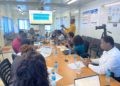
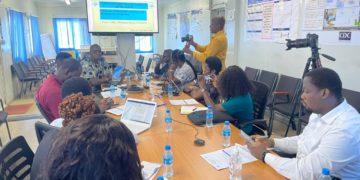
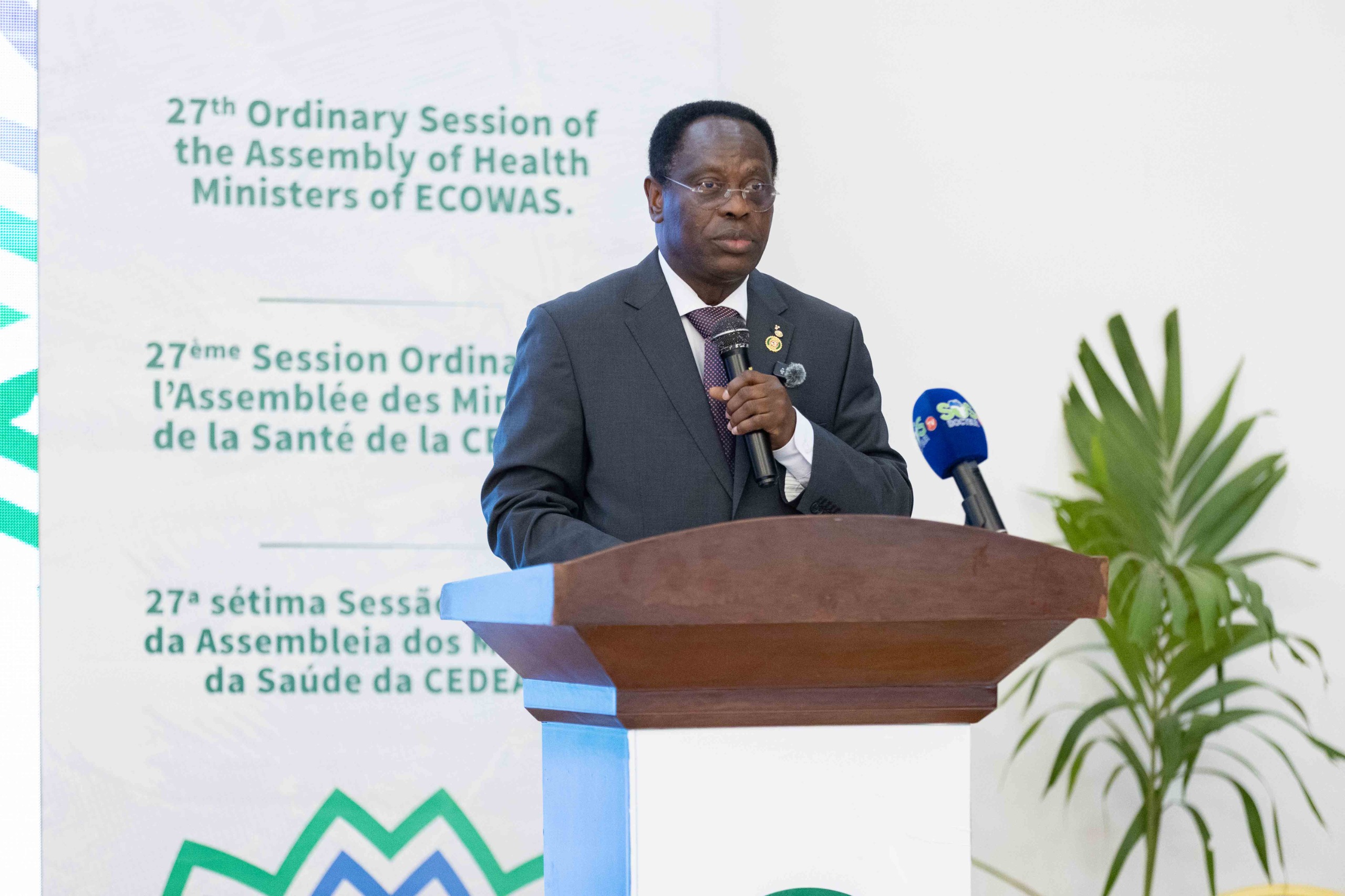
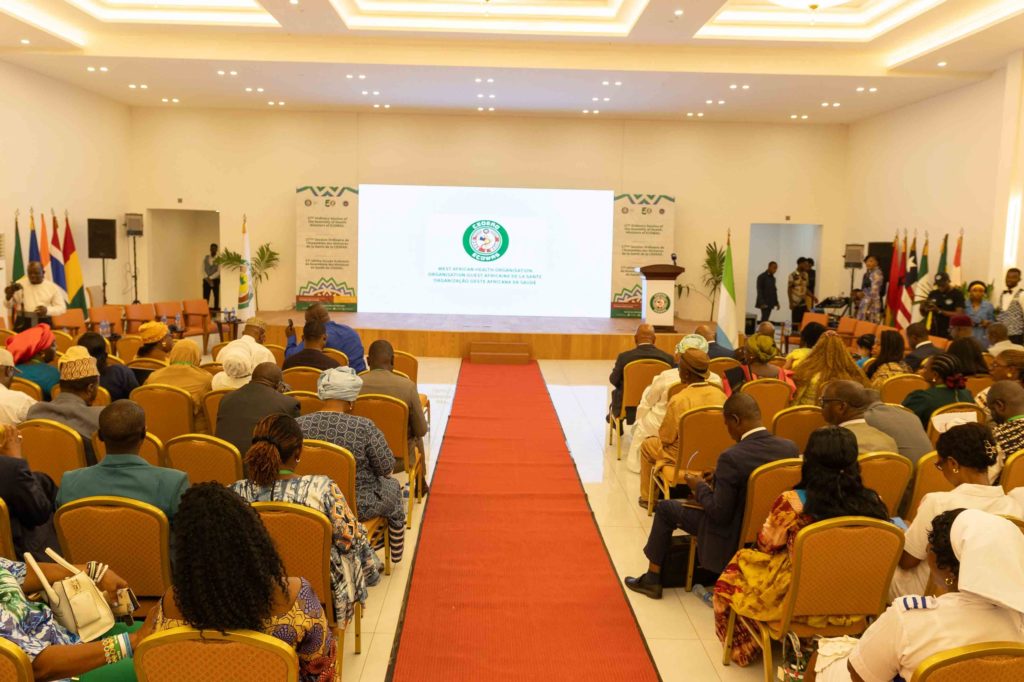
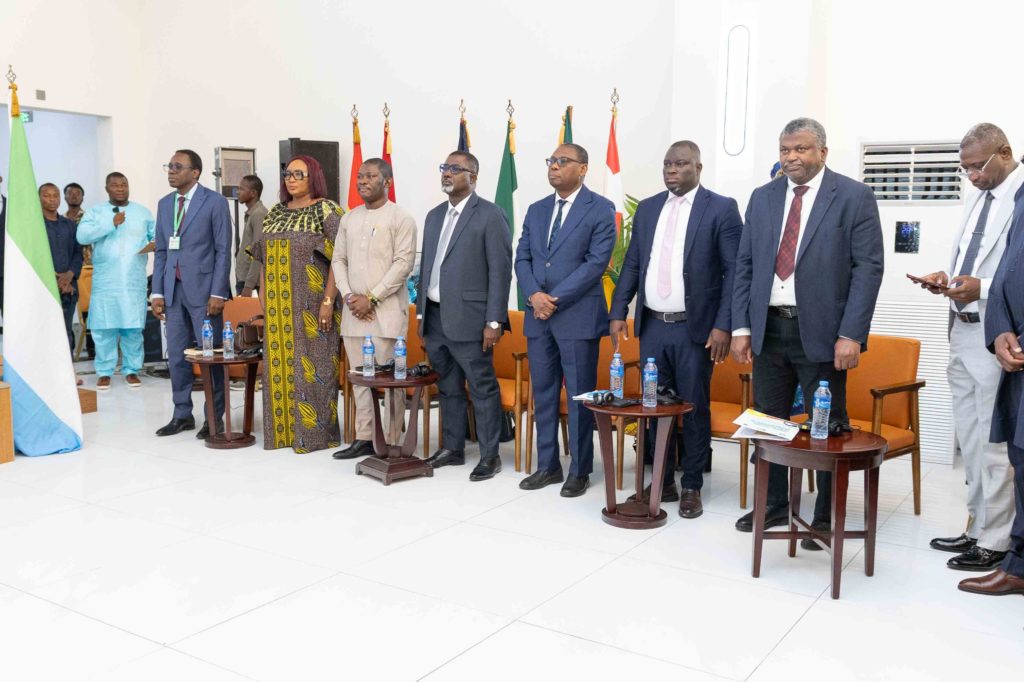
This year’s commemoration coincides with the annual Assembly of Health Ministers of ECOWAS, organized by WAHO, in the Sierra Leonean capital, Freetown. The confab is being convened on the theme: “Advancing Malaria Elimination through an Integrated Regional Strategy.”
In spite of progress against the disease globally and in the sub region, reports indicate persistent challenges, including funding gaps, health system weaknesses, climate change impacts, humanitarian crises, and the emergence of drug and insecticide resistance as threatening continued progress.
The discussion in the last few days in Freetown is therefore centered on efforts to expand access to prevention, diagnosis and treatment services, strengthen surveillance systems, adopt new tools and technologies, as well as promote community participation.
In its statement, WAHO reaffirmed its commitment to working with Member States and partners to accelerate progress towards malaria elimination through the implementation of the Regional Malaria Elimination Framework.
“These developments demonstrate that significant progress is possible when political will, technical capacity and strong partnerships are gathered,” said WAHO.
“In this regard, WAHO reaffirms its commitment to aligning regional actions with the Assembly of Health Ministers’ elimination agenda, integrating its strategic orientations and timelines, to ensure coherence with international commitments and accelerate progress towards malaria elimination,” it added.