






By Kemo Cham
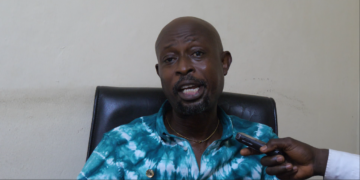
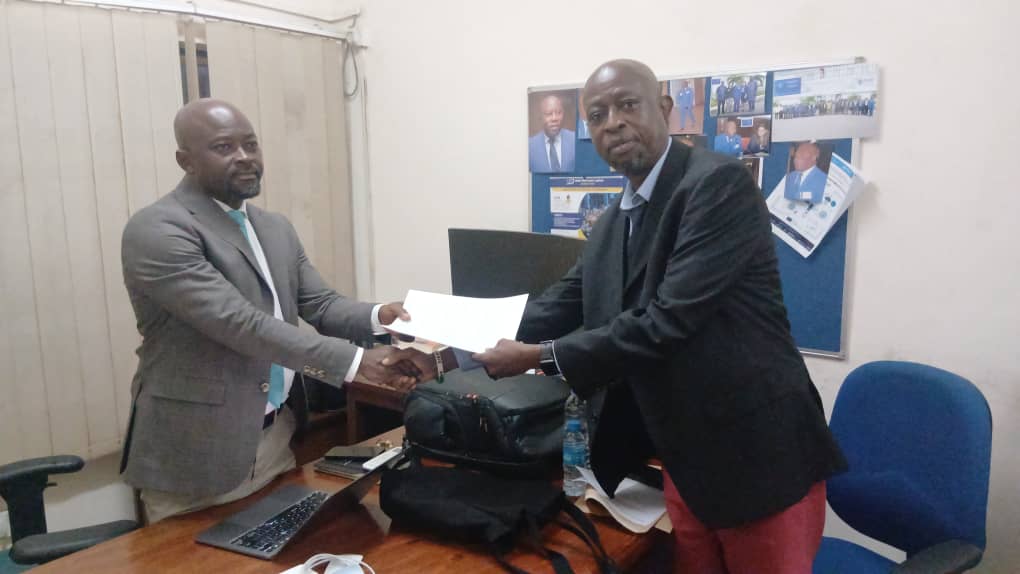
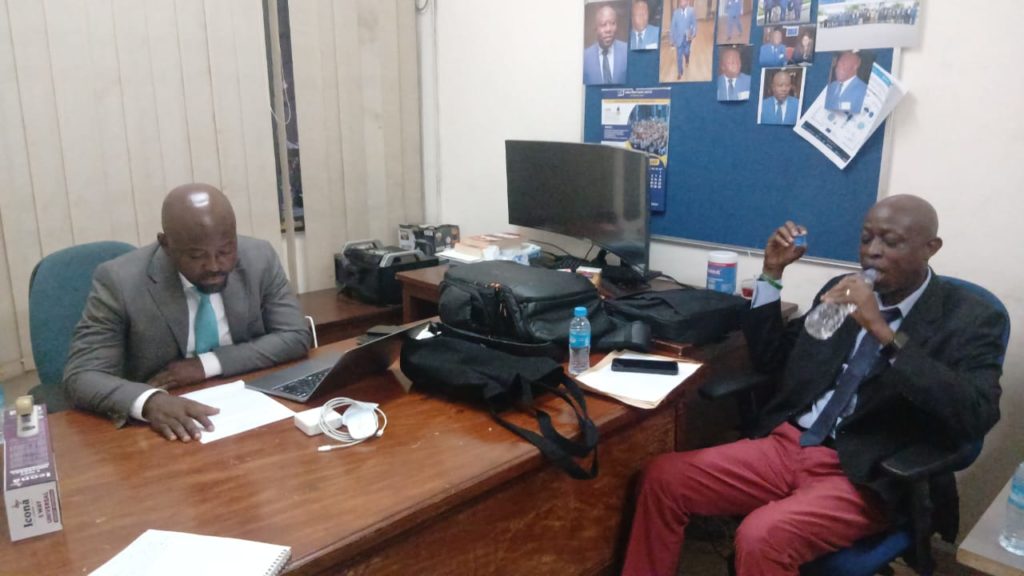
Social Linkages for Youth Development and Child Like (SLDYCL) has renewed its call for the much anticipated review of Sierra Leone’s drug laws through an appeal to the new head of the country’s anti-drug agency. The call was made through a policy brief presented to the recently appointed Executive Director of the National Drug Law Enforcement Agency (NDLEA), Prince Bull- Luceni, during a courtesy call at his office. Mr Bull-Luceni was appointed on August 11, 2026, as part of the latest high profile changes in government announced via a press release from State House. He was Deputy Executive Director of the agency prior to his new appointment.
The SLYDCL team headed by its Executive Director Habib T. Kamara congratulated Mr Bull for his appointment and expressed its commitment to continued collaboration with the agency in addressing drug-related challenges in the country.
SLYSDCL is a civil society organization that focuses on combating drug and substance abuse, and it provides medical care, rehabilitation support, and education to at-risk youth and children associated with drugs. The organization is a major stakeholder in the fight against drug abuse in the country. It has been working towards achieving this through evidence-based, human-rights-centred and public-health approaches.
Mr Bull-Luceni takes office as head of the anti-drug agency at a time the country is battling a drug and substance abuse epidemic, which campaigners say requires reforms in the approach to the fight against the menace.
SLYDCL says its 15-page Policy Brief on the Review of the 2008 National Drugs Control Act highlights key areas requiring review to ensure that Sierra Leone’s legal and policy framework is responsive to the country’s evolving drug situation, including the growing challenges associated with substance use and the need to strengthen prevention, treatment, rehabilitation, harm reduction, recovery and social reintegration. This has been a key demand of SLYDCL and other anti-drug civil society organizations.
The existing Act, they argue, has not only outlived its relevance, it also holds at the same level victims of drug use and those who manufacture or traffic the illegal substances off the hook. A major concern in the legislation is that it treats possession and personal use within the same criminal framework as broader drug offences, with a provision for imprisonment of not less than five years for unlawful buying, selling, possession, control or use of drugs. Within the same Act, another provision contains a basis for a more health-oriented approach. Specifically, Part IV calls for treatment and rehabilitation of offenders, including treatment assessment panels, treatment orders and suspension of penalties. Campaigners says this contradiction effectively hinders efforts against effective drug control in the country.
SLYDCL stresses that while the law remains an important foundation for controlling illicit drug trafficking and organized drug related crimes, the changing dynamics requires a rethink in the approaches captured in the current legislative framework.
“Sierra Leone’s drug situation has changed substantially since 2008. The country is now confronting increasingly diverse and unpredictable substances, including the synthetic-drug crisis associated with Kush, while also expanding efforts around treatment, rehabilitation, harm reduction, HIV prevention, overdose prevention and community-based services,” reads the Executive Summary of the Policy Brief.