





By Tejan macavoray
VISAKHAPATNAM, INDIA — As artificial intelligence, digital platforms, data-driven storytelling and rapidly changing audience behaviours reshape the global media ecosystem, journalism education is facing a defining moment. The challenge for universities is no longer simply to prepare students for careers in traditional newsrooms, but to equip them to navigate and help shape the future of communication.
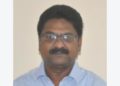
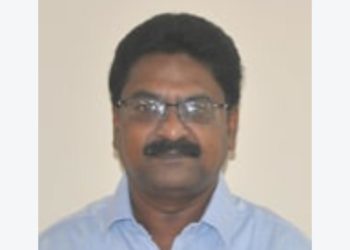
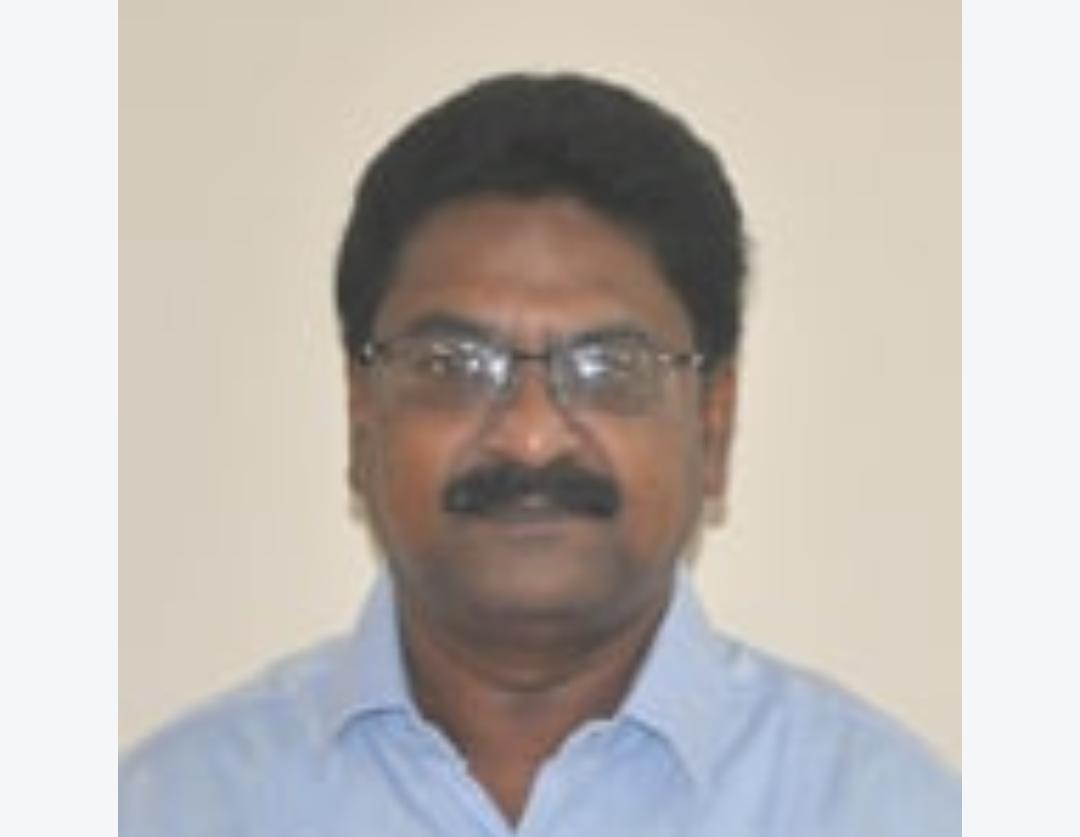
At Andhra University, one of India’s longstanding institutions of higher learning, Dr. C. M. Vinay Kumar, Head of the Department of Journalism and Mass Communication, is advancing an academic vision that places journalistic ethics, technological competence, critical inquiry and professional readiness at the centre of media education.
Under his academic leadership, the Department of Journalism and Mass Communication continues to build on its established contribution to media education while responding to the demands of an increasingly interconnected and technology-driven media environment.
A Vision Grounded in Integrity and Innovation
The transformation of journalism has created an urgent need for media professionals who can combine traditional reporting principles with emerging technologies and contemporary communication practices.
For Dr. Vinay Kumar, this evolution does not diminish the foundational values of journalism. Rather, it makes them more important.
“Journalism is the bedrock of a healthy democracy, but its tools are evolving faster than ever. Our goal at Andhra University is not simply to teach students how to adapt to technology, but to prepare them to lead with integrity, truth and responsibility in every medium they engage with.”
This philosophy reflects a broader shift in journalism education from teaching students to operate individual media platforms toward developing versatile communication professionals capable of working across an increasingly converged media landscape.
The department’s academic approach encompasses areas including digital journalism, multimedia communication, data-driven storytelling, public relations, media management and critical media analysis.
Connecting the Classroom with the Contemporary Newsroom
A defining element of the department’s approach is its emphasis on connecting academic learning with professional practice.
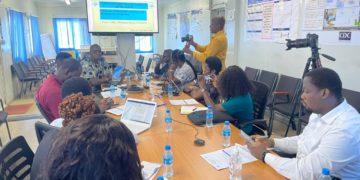
Through workshops, expert interactions, guest lectures, practical assignments and production-oriented learning, students are exposed to the realities of contemporary media environments. These experiences are intended to strengthen not only technical competencies, but also the judgement, adaptability and ethical awareness required of modern media professionals.
The department’s evolving academic framework places particular emphasis on three interconnected areas:
Digital Convergence and Data Literacy
Modern journalism increasingly requires professionals to work across multiple platforms and formats. Students are encouraged to develop competencies in digital reporting, multimedia storytelling, social media verification, audience analytics and emerging forms of data-driven journalism.
Research, Ethics and Public Policy
As artificial intelligence and digital technologies transform information ecosystems, questions surrounding misinformation, privacy, regulation, media ethics and public communication have become increasingly important.
The department encourages students to engage with these issues through academic research and critical inquiry, strengthening their ability to understand the broader social and institutional implications of media and communication.
Industry-Academia Engagement
Contemporary media education cannot operate in isolation from the professional sector. Engagement with practitioners, media organisations and communication professionals can provide students with valuable exposure to evolving newsroom practices and career pathways.
Such engagement strengthens the connection between academic knowledge and professional application, helping students transition more effectively from university to the workplace.
Preparing Communicators for a Complex Global Media Environment
The role of a journalism school extends beyond teaching students how to write a news story or operate a camera. It is also about developing professionals who understand the power—and responsibility—of communication.
Under Dr. Vinay Kumar’s academic leadership, emphasis on ethical journalism, communication strategy, public-interest reporting and contemporary media practices seeks to prepare students for a professional environment where credibility, technological literacy and adaptability are increasingly interconnected.
For emerging journalists and communication professionals, this means learning to operate in an environment where news is produced, distributed and consumed across television, radio, newspapers, websites, social media platforms, podcasts and increasingly AI-assisted systems.
The future media professional, therefore, must be more than a reporter. They must be a critical thinker, researcher, storyteller, digital communicator and ethical custodian of information.
Building on Andhra University’s Academic Legacy
Andhra University has played a significant role in higher education in India and continues to provide an academic environment for students from India and abroad.
Within this broader institutional ecosystem, the Department of Journalism and Mass Communication represents an important platform for developing professionals equipped to contribute to journalism, public relations, strategic communication, research and related fields.
Dr. C. M. Vinay Kumar’s leadership comes at a period when journalism itself is undergoing profound transformation. From artificial intelligence and automated content production to the global spread of misinformation and the fragmentation of audiences, the media industry is confronting challenges that demand both technological understanding and strong professional ethics.
The strategic imperative for journalism education is therefore clear: embrace innovation without compromising credibility.
As media continues to evolve, Andhra University’s Department of Journalism and Mass Communication is positioning its educational mission around that balance—connecting the enduring principles of journalism with the skills and perspectives required for the media environment of tomorrow.
About the Department of Journalism and Mass Communication, Andhra University
The Department of Journalism and Mass Communication at Andhra University is dedicated to education, research and professional development in journalism and communication. Its academic focus encompasses areas including journalism, mass communication, digital media, broadcasting, public relations, media research and related fields.
Through academic instruction, research and practical learning, the department seeks to prepare students to contribute meaningfully to the rapidly changing communication and media landscape.
The author, Tejan Macavoray, is a Sierra Leonean journalist pursuing a Master’s Programme in journalism. He is in the Department of Journalism and Mass Communication Andhra University Visakhapatnam, Andhra Pradesh, India