





By Kemo Cham

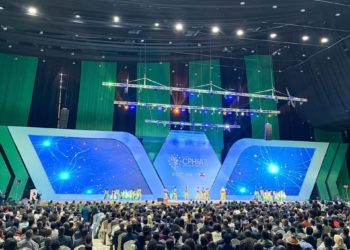
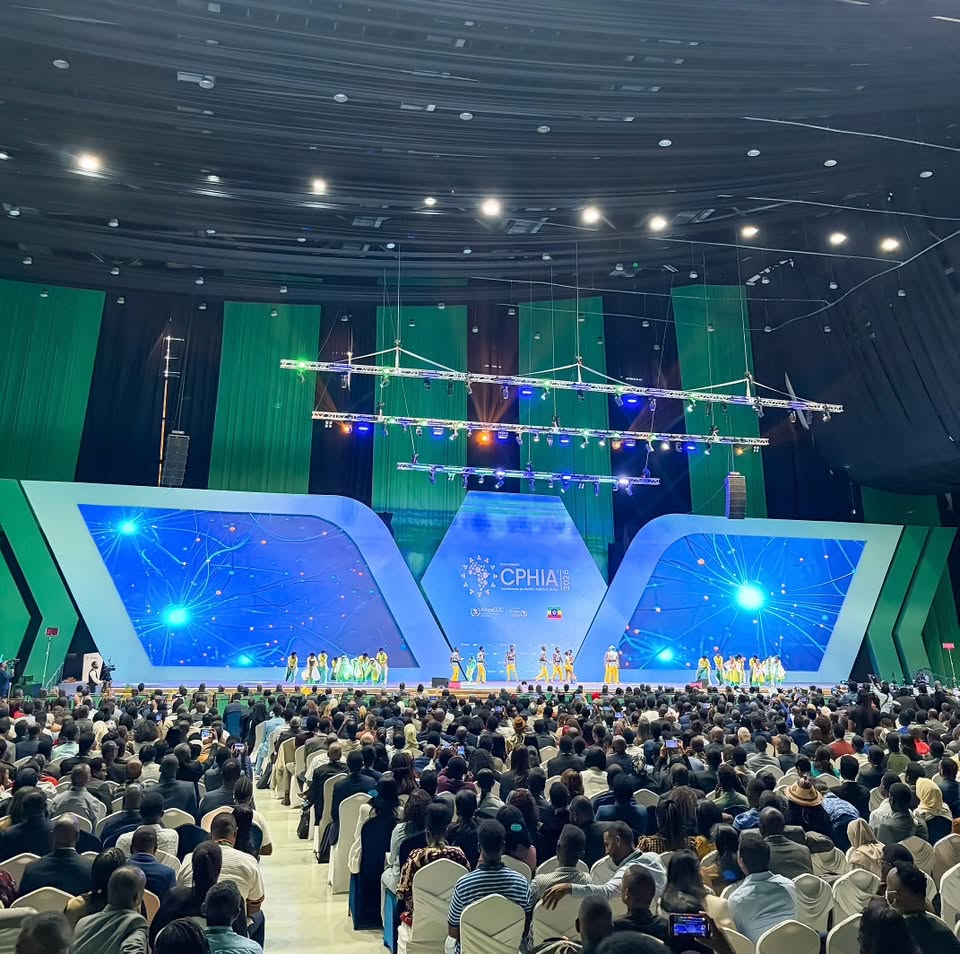
The 5th edition of the Conference of Public Health in Africa (CPHIA) began in the Ethiopian capital, Addis Ababa on Monday, with calls for the continent to take ownership of its health sector.
CPHIA is an annual gathering led by the Africa Centres for Disease Control and Prevention (Africa CDC) and African Union Member States. It brings together policymakers, scientists, researchers, health workers, innovators, and community leaders to share evidence-based solutions and shape the continent’s health agenda.
CPHIA2026 is being held under the theme: “Africa’s Health Security and Sovereignty: Transformation from health dependency and vulnerability to ownership and resilience.” It is taking place at the headquarters of the African Union, where heads of state, ministers and senior leaders on the first day took part in two high-level panels to discuss how the continent can reduce its dependence on external support and take greater ownership of its health sector. Their discussions touched on the need for stronger political commitment, more investment in local health systems and sustainable funding to meet Africa’s health needs.
Among leaders who spoke on Monday is Sierra Leone’s President Julius Maada Bio, who told fellow leaders and delegates that Africa needed action, not just promises, to improve the health of its people, calling for stronger partnerships and practical solutions that can make a real difference in the lives of people across the continent.
Bio also called on African countries to go beyond declarations and work together to deliver on their health commitments and save more lives.
Africa CDC Director General, Dr Jean Kasea, reaffirmed the continent’s talent, resources and capacity to lead its own health development and build a stronger, healthier continent.
“It is time for Africa to turn its potential into action and take charge of its health future,” he said.
CPHIA is Africa’s largest public health conference. It is designed to advance a shared continental vision of stronger, more resilient and self-reliant health systems. This year’s edition is co-hosted by the Government of Ethiopia. Prime Minister Abiy Ahmed, in his statement, reaffirmed Ethiopia’s commitment to stronger health systems through investment in health workers, local pharmaceutical production, digital health and AI. He called for greater African cooperation, stronger local manufacturing and better health services for all.

African Union chairperson, Mahmoud Ali Youssouf, reiterated that the continent cannot achieve true sovereignty without protecting the health of its people, highlighting the importance of public health security in building a strong and independent Africa.
“Africa must strengthen its health systems, protect its people and prepare for future health threats,” he said.
Also present at the opening ceremony of the conference was the President of Burundi and Chairperson of the African Union, Évariste Ndayishimiye, and Tanzanian President Samia Suluhu Hassan.
The five-day event runs from November 23 to 27 and was expected to bring together more than 30,000 participants from across Africa and beyond. The deliberations will focus on five major priorities: strengthening Africa’s voice in global health governance, advancing pandemic prevention and preparedness, securing sustainable health financing, accelerating digital transformation and artificial intelligence in healthcare, and expanding local production of vaccines, medicines, diagnostics and other essential health products. A key ambition is to strengthen Africa’s capacity to produce 60 percent of its vaccine requirements locally by 2040, while advancing continental cooperation in research, innovation, immunization and primary healthcare.
Monday’s opening was preceded by a Youth Pre-Conference and Women in Health Leadership Summit which discussed how young people and women can help shape the continent’s health future. That event heard that young people and women needed more opportunities to lead and take part in important health decisions.