






By Habib Taigore Kamara
Sierra Leone stands at a critical juncture in its post-war development journey. Over the past two decades, the country has made significant strides in democratic governance, peacebuilding, economic recovery, and international cooperation. However, recent allegations linking the country to transnational drug trafficking networks have raised concerns both at home and abroad, placing its international reputation under increased scrutiny.
The reported presence of internationally wanted Dutch drug trafficker Jos Leijdekkers, popularly known as “Bolle Jos,” in Sierra Leone has attracted widespread media attention and generated debate regarding the country’s capacity to combat organized crime. While these allegations remain subject to investigation and due process, the matter has nonetheless elevated concerns among international partners regarding Sierra Leone’s role in the global fight against drug trafficking.
Drug trafficking is not merely a criminal issue; it poses a significant threat to national security, governance, economic stability, and international relations. Across West Africa, criminal networks have increasingly exploited weak institutions, porous borders, and strategic geographic locations to facilitate illicit activities. Sierra Leone, like many countries in the region, must remain vigilant against becoming a transit point or safe haven for transnational organized crime.
The implications of such allegations extend far beyond law enforcement. International relations are built on trust, cooperation, and mutual accountability. Development partners, including the European Union (EU), provide substantial support to Sierra Leone in sectors such as health, education, agriculture, infrastructure, and governance reforms. Any perception that the country is failing to address organized crime effectively could strain diplomatic relations and potentially affect development assistance and foreign investment.
A deterioration in relations with key international partners would have serious consequences. Reduced donor confidence could slow development progress, weaken social services, and undermine efforts to achieve long-term economic growth. Furthermore, investor confidence—an essential ingredient for economic transformation—could be adversely affected if Sierra Leone is perceived as a high-risk environment.
At this crossroads, Sierra Leone has an opportunity to demonstrate its commitment to transparency, accountability, and the rule of law. The government should continue to cooperate fully with international law enforcement agencies, strengthen anti-money laundering systems, improve border and port security, and ensure that investigations into any allegations are conducted independently and transparently.
Strengthening institutions is equally important. Law enforcement agencies, the judiciary, anti-corruption bodies, and financial intelligence units must be adequately resourced and empowered to carry out their mandates effectively. Strong institutions serve as the first line of defense against organized crime and help maintain public confidence in governance.
The fight against drug trafficking is not solely the responsibility of government. Civil society organizations, the media, religious leaders, traditional authorities, and citizens all have a role to play in promoting accountability and safeguarding national integrity. A united national effort is essential to protect Sierra Leone’s hard-earned peace and development gains.
Sierra Leone’s history is one of resilience. The country has overcome civil conflict, public health crises, and economic challenges through determination and international partnership. Today, the nation faces another test—one that requires decisive leadership, institutional strength, and unwavering commitment to justice.
Ultimately, protecting Sierra Leone’s international reputation is not simply about preserving diplomatic relations; it is about safeguarding the country’s future. By addressing allegations transparently, strengthening institutions, and upholding the rule of law, Sierra Leone can reinforce its standing as a responsible member of the international community and continue its journey toward sustainable development and prosperity.
As Sierra Leone navigates this moment, the choices made today will shape the country’s image, partnerships, and opportunities for generations to come. The path forward must be guided by integrity, accountability, and a shared commitment to the national interest.
Note: Since the allegations remain under investigation, it is important that public commentary distinguishes between allegations and proven facts, while emphasizing due process and the rule of law.
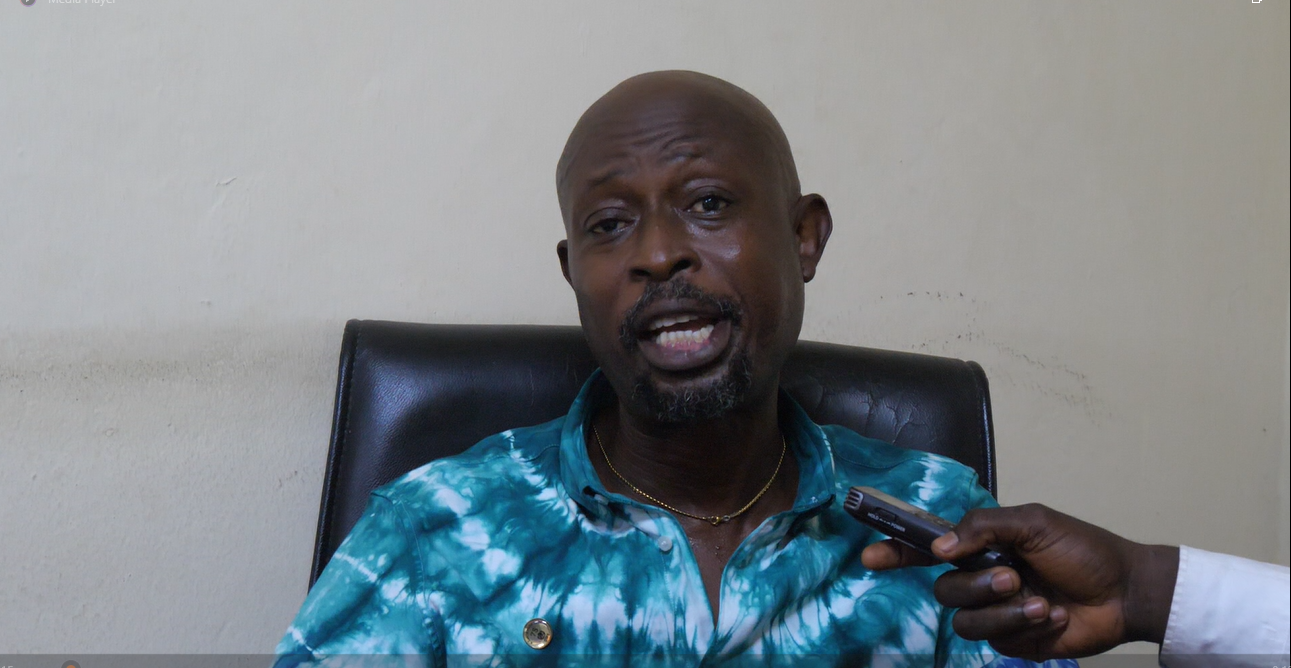
Habib Taigore Kamara is the Executive Director of Social Linkages for Youth Development and Child Link, a civil society organization that focuses on combating substance abuse—particularly the ‘Kush’ epidemic—and provides medical care, rehabilitation support, and education to at-risk youth and children associated with drugs.