



By Ishmeal Alfred Charles
Sierra Leone has made real gains in healthcare in recent years, according to UNFPA. That makes one sober question fair. When the care they need is available in a Sierra Leonean public hospital, will the President, his family and his Cabinet ministers use it? And when taxpayers fund treatment overseas, will the government explain what care was unavailable at home, how the referral was approved and what it cost?
As a health advocate, I have worked with families fighting to get lifesaving care for their children. A family can know exactly what treatment their child needs and still lose precious time trying to raise the money for it. That experience shapes how I judge progress. Can the child get treatment in time? Can the family afford it?
UNFPA’s figures show that Sierra Leone’s maternal mortality ratio fell from 443 deaths per 100,000 live births in 2020 to 354 in 2023, a decline of 79 percent since 2000. The National Health Compact credits the Free Health Care Initiative, launched in 2010, with helping drive these gains. Behind the figures are women who survived pregnancy and childbirth and health workers whose efforts deserve recognition.
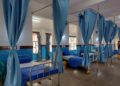
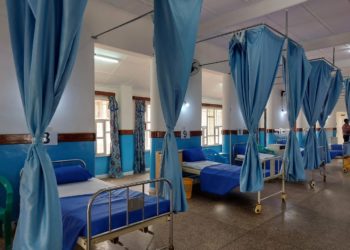
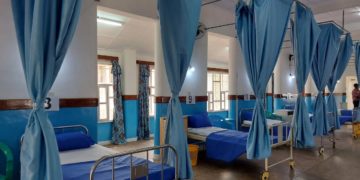
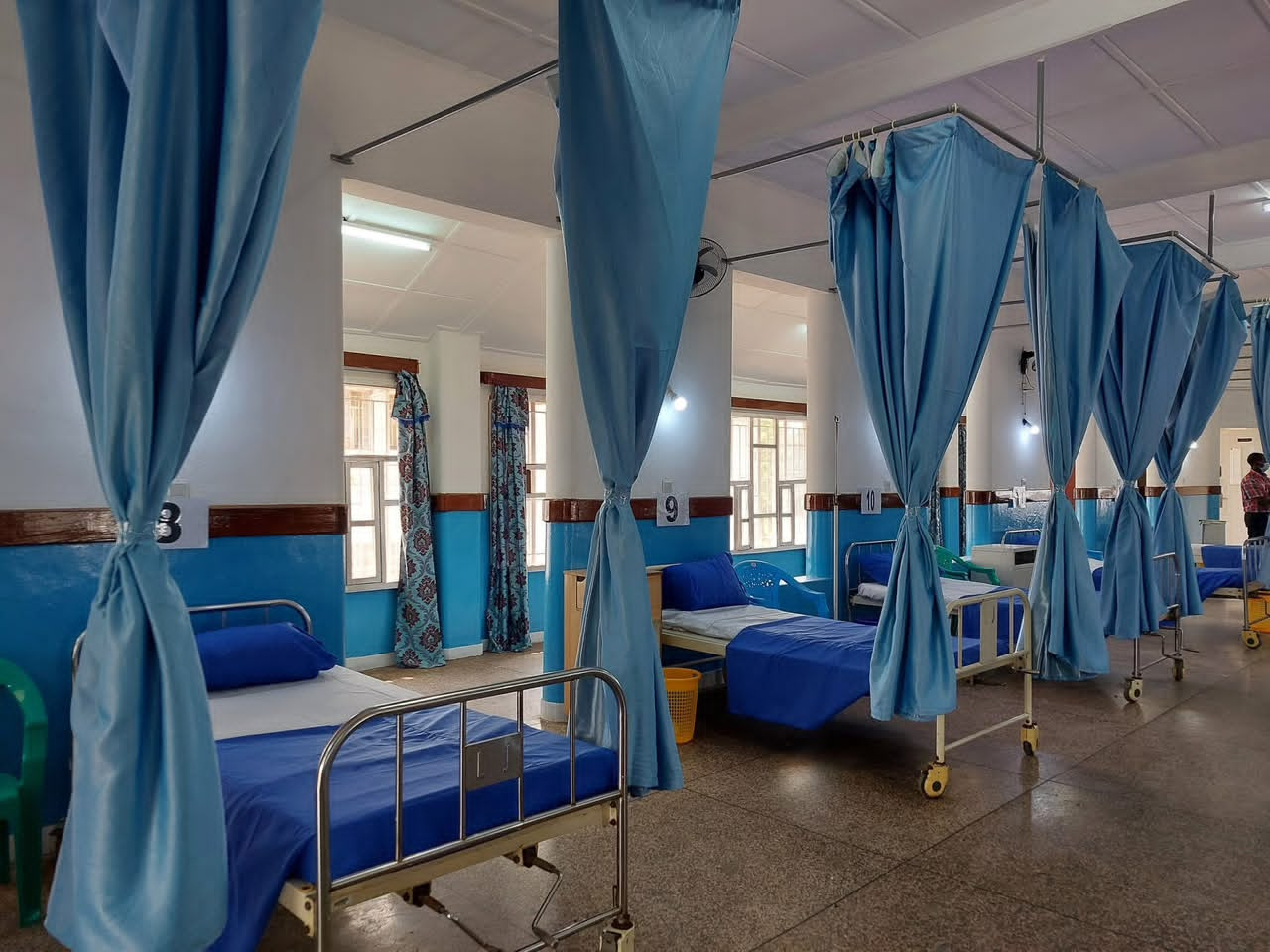
At Connaught Hospital, the country’s main public referral hospital, the Ministry of Information and Civic Education reports a renovated intensive care unit, a new 128-slice CT scanner in the radiology department and a solar power system. The hospital reported 1,600 surgeries in 2025, up from 958 in 2024, though its emergency department remained under pressure. For a patient who needs an urgent scan, progress means a working scanner, someone available to read the results and a team ready to act on them in time.
Cost remains a major barrier. The World Health Organization’s 2025 country report says households paid 43 percent of total health spending directly out of pocket in 2023. Donors contributed another 43 percent, while the government’s share fell from 16.7 percent in 2022 to 12.7 percent in 2023. WHO also found that health workers are unevenly distributed across the country. For a family far from Freetown, getting specialist care can mean finding money for both the journey and the treatment, often at short notice.
The President, his family and his ministers should publicly commit to using Sierra Leone’s public hospitals whenever those hospitals can safely provide the care they need. They can do so while keeping their medical records private.
That commitment would carry far more weight if our leaders relied on services ordinary patients can access, with the same staff, equipment and standard of care available after the official visit is over.
When a service is unavailable at home and an overseas referral is medically necessary, every patient should have a fair chance of receiving it. How can we call the system fair if poor patients without connections go without essential care while people in power can secure more money than they need for minor procedures?
Our leaders should use the services we can provide at home, and the government should keep those services running. Imagine President Bio going to Connaught or 34 Military Hospital for treatment. His example could boost staff morale and encourage improvements in the quality of care for everyone.
State House and the Cabinet owe the public a clear answer. Which public hospital services are our leaders prepared to use, and what will they do to make those services dependable for everyone? A mother facing a difficult delivery or a father carrying a sick child into an emergency ward should be able to count on the same standard of care our leaders would want for their own families. If even a minor headache or back pain were enough to send our President abroad for treatment, when would we improve the care available at home?
We want one sober hospital so that when you leave office, Mr President, you can choose to stay in Sierra Leone and get treatment for minor ailments here. President Koroma failed to deliver on this. About eight years into President Bio’s time in office, we are still calling for just one sober hospital in Sierra Leone.