



By Brima Sannoh
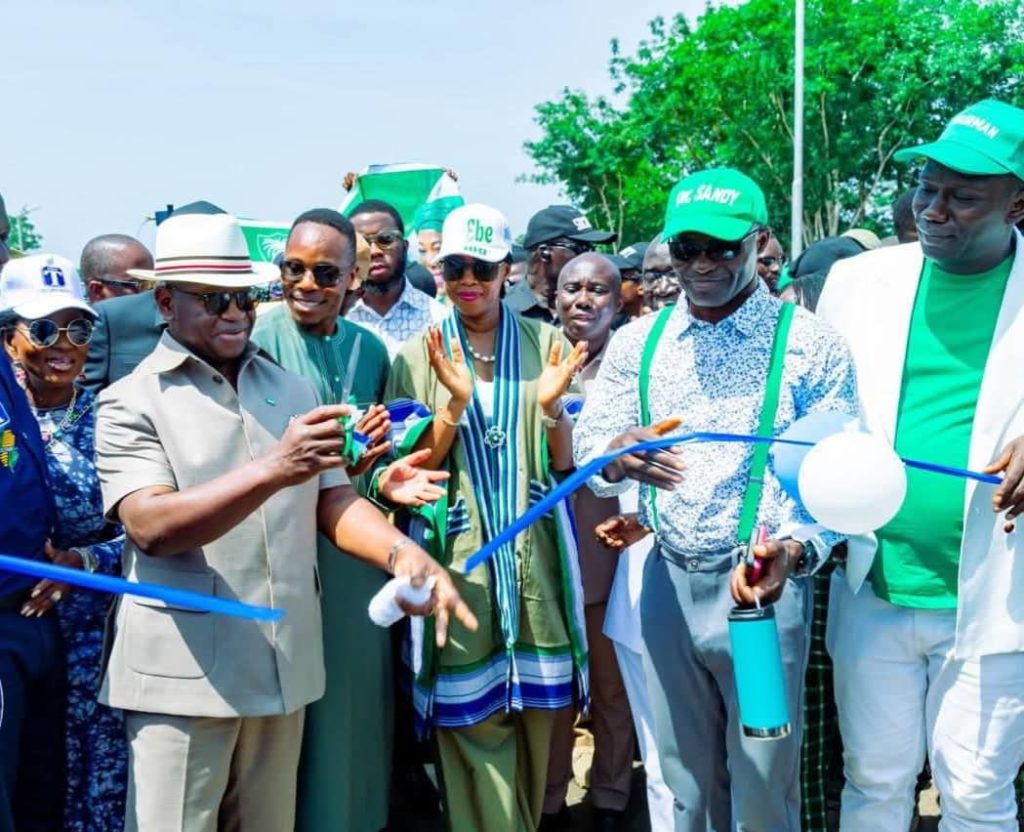
It was a day of double celebration for the people of Pujehun on Saturday, April 25th, as President Julius Maada Bio inaugurated the newly constructed Bandajuma–Pujehun Road and commissioned the project for the construction of another road linking Pujehun Town to Gbondapi.
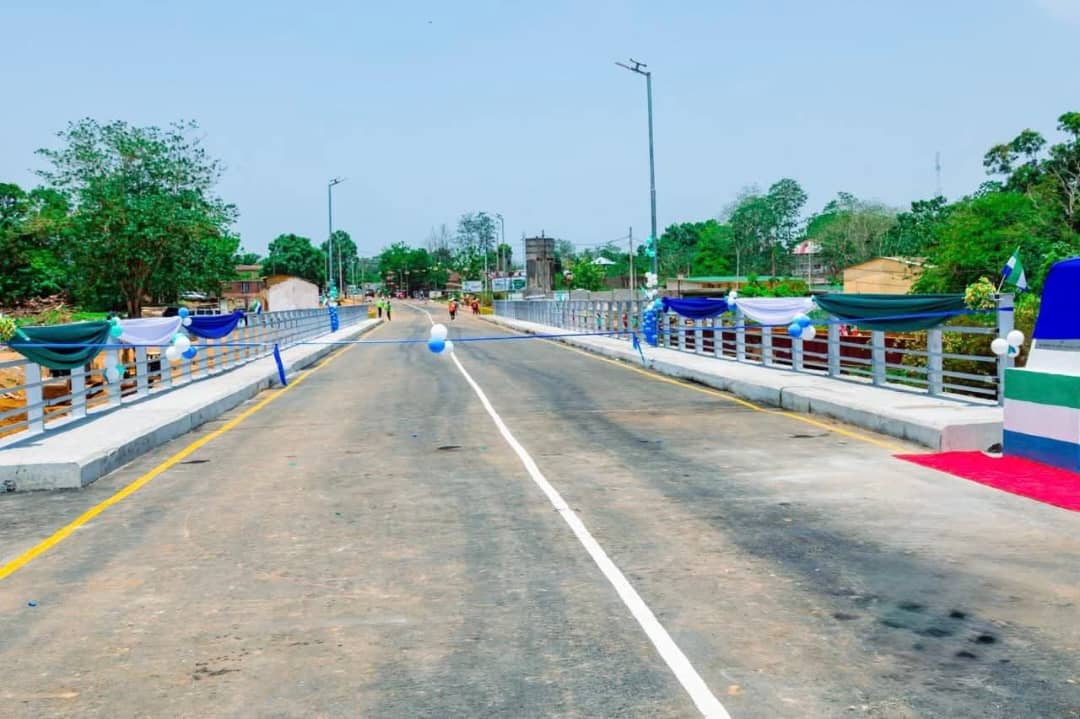
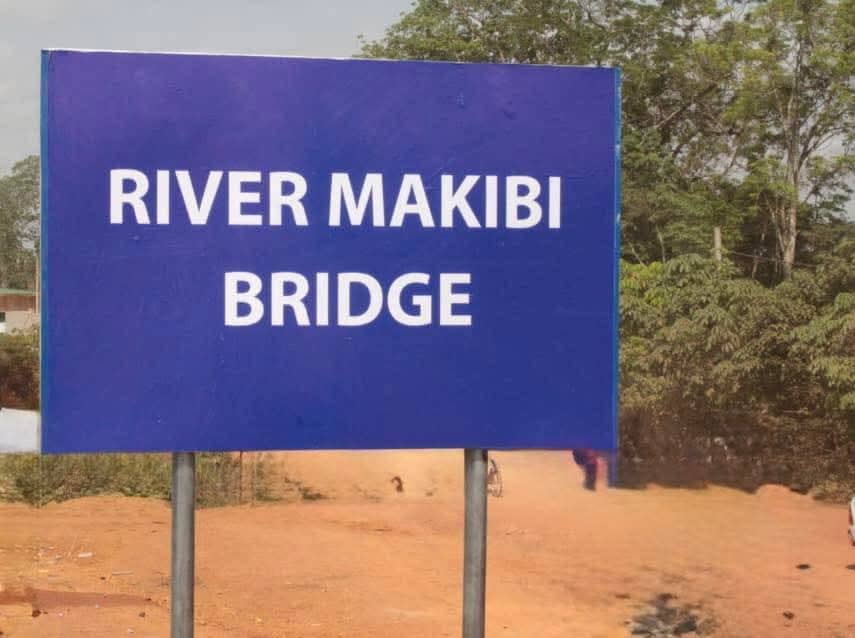
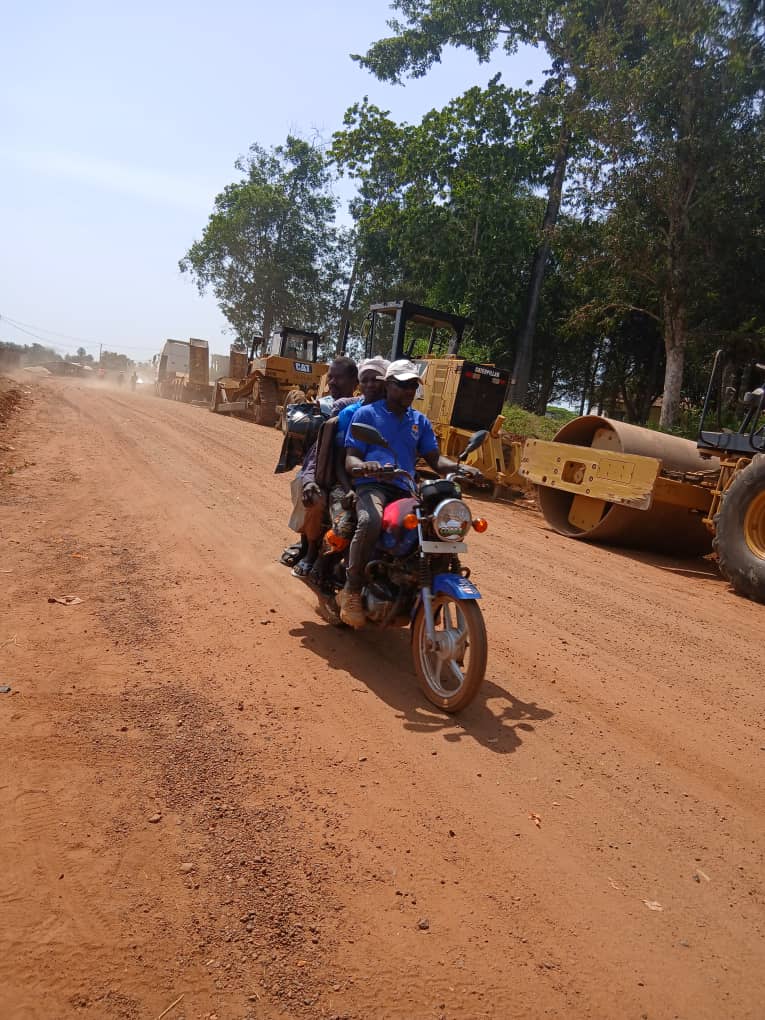
The newly inaugurated 25-kilometre Bandajuma–Pujehun highway includes a a modern two-lane bridge – the Makibie River Bridge – and it marks a major improvement in transport connectivity within Pujehun District.
The new project entails 18 miles of road linking Pujehun Town to the coastal community of Gbondapi, and it is expected to enhance access to key farming communities under the government’s Feed Salone Programme.
For many residents, the road brings long-awaited relief after years of hardship.
Construction of the just completed road stalled for a prolonged period after it began in the mid-2000s, leaving citizens repeatedly calling for its completion.
During the rainy season, the route often become impassable, with vehicles stuck for days and communities cut off from essential services. In some cases, accidents and loss of lives were recorded due to the dangerous conditions of the roads.
Mamawa Karim, a trader at Dandabu Bakoi, described the difficulties they endured before now: “Back then, moving goods along this road was a serious struggle. Vehicles would get stuck for hours, sometimes days, and many of us lost our goods before they reached the market.”
She added that travel was often unpredictable, noting: “There were times we had to sleep on the road because vehicles couldn’t move. Now, I can travel, buy, and sell in a single day. This road has changed our lives.”
Similarly, Mohamed French, a cassava farmer from Bomu Samba, said the poor road once threatened their livelihoods.
“We used to harvest cassava, but before vehicles could reach us, it would start to spoil. Sometimes everything went to waste because there was no access,” he said. He added that the situation discouraged production, noting: “We were working hard but not benefiting. Now, vehicles can reach us and we can sell what we produce. It has given us hope to expand.”
Beyond the immediate economic benefits, the project also reflects deeper historical challenges of inequality in infrastructure development across the Sierra Leone.
The Truth and Reconciliation Commission (TRC), in its post-war report, identified marginalisation, poor infrastructure, and weak state presence in rural areas as root causes of past instability. It noted that communities cut off from basic services often felt excluded from national development, contributing to grievances that fueled conflict.
The TRC recommended equitable development and improved access to roads and basic services as essential for national cohesion and lasting peace.
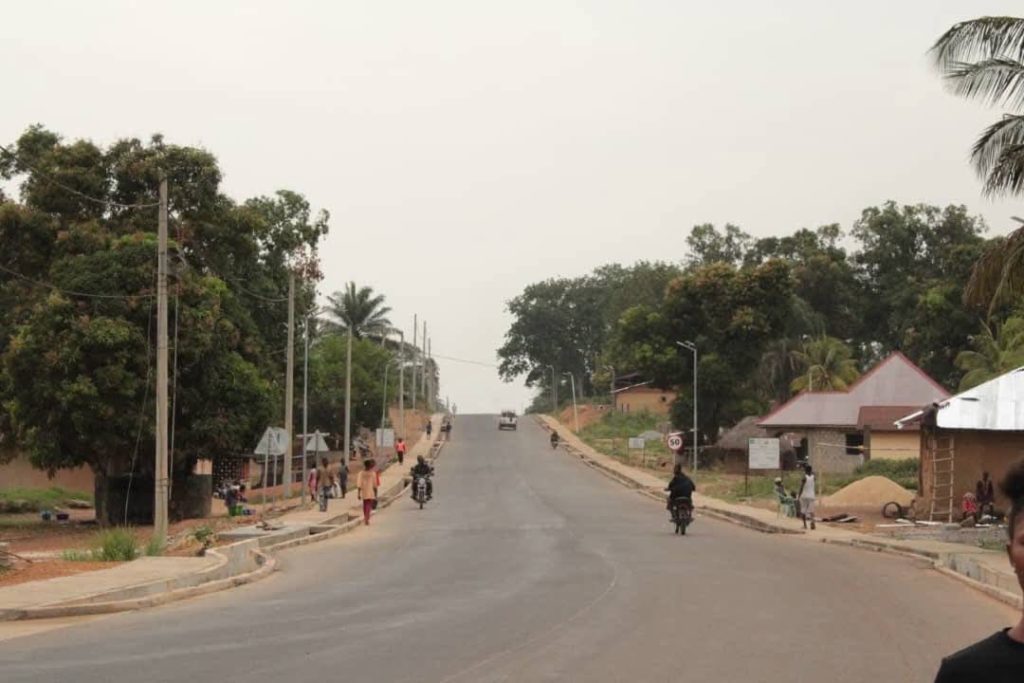
Like many rural districts, Pujehun has long faced serious infrastructure gaps, with many roads remaining unpaved and difficult to navigate during the rainy season.
Speaking at the commissioning, President Julius Maada Bio said the project reflects his government’s commitment to improving living conditions.
“This road and bridge are about restoring dignity and ensuring that no community is isolated from opportunity because of poor infrastructure,” he said.
He further noted that travel time between Bo and Pujehun has been reduced to about one hour, adding that this would significantly improve trade, mobility, and access to essential services.
On energy, the President said government is working to improve electricity supply in the district through a hybrid system combining solar and conventional power, supported by expanded distribution networks. He also highlighted that the planned Pujehun–Gbondapi Road will further strengthen agricultural production under the Feed Salone initiative.
Gbondapi is a major economic hub in Pujehun, especially known for its endowment with fish.
Chief Minister David Moinina Sengeh described the developments as transformative, stating: “what we are seeing in Pujehun is real impact, not just infrastructure, but changes in people’s lives.”
Dr Sengeh noted that under the Feed Salone programme, agriculture is expanding, local rice production is increasing, and that improvements are also being recorded in health and education sectors.
Minister of Works and Public Assets, Denis Sandy, said government remains committed to accelerating infrastructure delivery, noting that road and bridge construction across the country is progressing at a faster pace than before.
Director General of the Sierra Leone Roads Authority, Alfred Jalil Momodu, described the scale of work in Pujehun as unprecedented, saying several major roads and bridges have been completed in recent years. He noted that the Makibie River Bridge was a long-overdue intervention that had remained unaddressed for decades.
Chairman of the Pujehun District Council, Foday Rogers, said the new infrastructure is already improving access to essential services and boosting local economic activity.
For many observers, the completion of the Bandajuma–Pujehun Road and Makibie River Bridge goes beyond physical development. It represents an effort to address historical inequalities, strengthen state presence, and rebuilding trust between citizens and government—key pillars in Sierra Leone’s post-conflict recovery journey.
The projects are expected to significantly boost commerce, ease movement, and improve access to markets, healthcare, and education across the district and beyond.
This report was produced with support from the Africa Transitional Justice Legacy Fund (ATJLF), through the Media Reform Coordinating Group (MRCG), under the project:‘Engaging the Media and Communities to Change the Narrative on Transitional Justice Issues in Sierra Leone.