







By Kemo Cham
The Africa Centers for Disease Control and Prevention (Africa CDC) on Friday, 15th May 2026, warned member states of the Africa Union of the potential for a regional spread of the Ebola virus disease, following the declaration of outbreaks in two neighboring countries.
The Democratic Republic of Congo (DRC) and Uganda both declared outbreaks on the same day, prompting calls for coordinated response. The case in Uganda is thought to have spread from DRC, which only declared its last outbreak of the virus in December 2025. That outbreak was centered in the Kasai Province and claimed the lives of 45 people, among 53 confirmed cases. The latest outbreak was reported in the Ituri Province. And it is believed to have been ongoing since April.
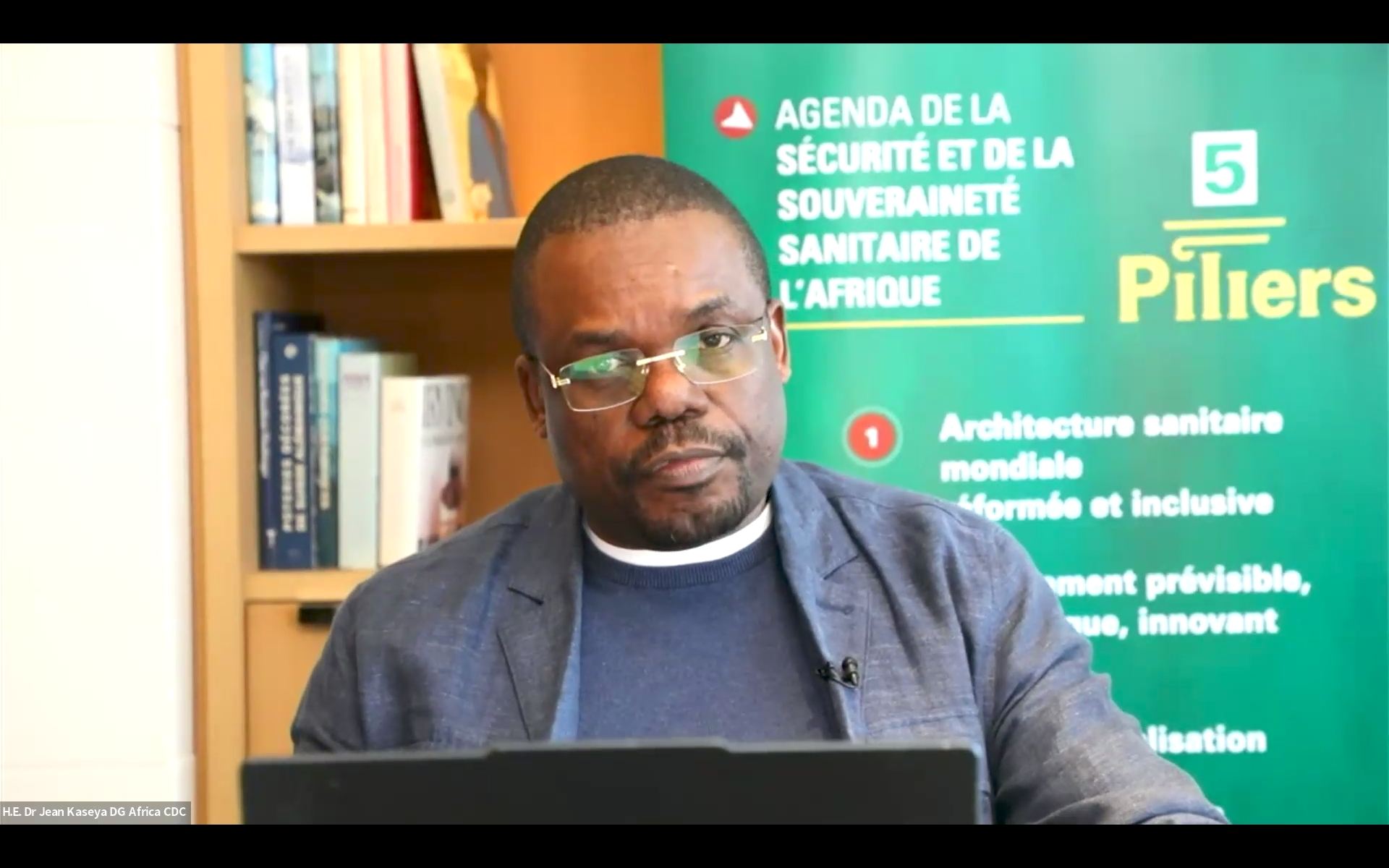
“This alert underscored the urgent need for coordinated continental action to prevent further spread and safeguard regional and continental health security,” Africa CDC Director General Dr Jean Kaseya, said in a statement.
“In line with the Africa CDC’s mandate, when an outbreak affects more than one Member State, the agency assumes responsibility for leading and coordinating the response at the regional and continental levels, bringing all partners together,” Dr Kaseya added.
The new outbreak is attributed to a rare strain of the virus called Bundibugyo, which has no vaccine or treatment, unlike the more common Zaire strain.
The affected area in DRC is said to be characterised by high population mobility, insecurity, and intense cross-border connectivity with neighboring countries, including Uganda. Dr Kaseya in his statement also expressed support for South Sudan, which is geographically close to Ituri province. He said the Agency will continue to work closely with all partners to ensure that timely and appropriate support is provided to all affected and at-risk countries.
As of Saturday May 15, there were 336 suspected cases and 87 deaths in Ituri, with one death in Uganda, which is said to be an imported case. Dr Kaseya told reporters in an emergency press briefing on Saturday that these figures were not accurate but they were the only available official versions.
“As we know, during Ebola outbreak, we cannot confirm all cases. We are also led by epidemiology,” he said.
The Agency also said that there was no knowledge of the index case.
“It means so far we don’t know the magnitude of the outbreak,” said Dr Kaseya.
Africa CDC also says it has convened a high-level consultative meeting bringing together affected and at-risk countries as well as donor partners to chart a way for the response.
Dr Kaseya revealed at the press briefing that they have activated the continental Incident Management Support Team (IMST), bringing together all key partners to support and coordinate preparedness and response efforts across surveillance, laboratory systems, case management, infection prevention and control, risk communication and community engagement, logistics, cross-border collaboration, and rapid response operations.
The Agency is also contemplating declaring a Public Health Emergency of Continental Security (PHECS), and Kaseya said he has consulted the continent’s leaders, as well as the WHO Director-General. The Chair of the Africa CDC Emergency Consultative Group (ECG), Prof Salim Abdool Karim, has also been requested to urgently convene the ECG in order to provide technical guidance and recommendations on the evolving risk situation and the potential need for a PHECS declaration, he added.
“Africa CDC remains fully committed to working with Member States and partners to protect lives, contain the outbreak, and strengthen Africa’s health security and preparedness architecture,” the Africa CDC boss stressed.