





By Patricia M. Conteh
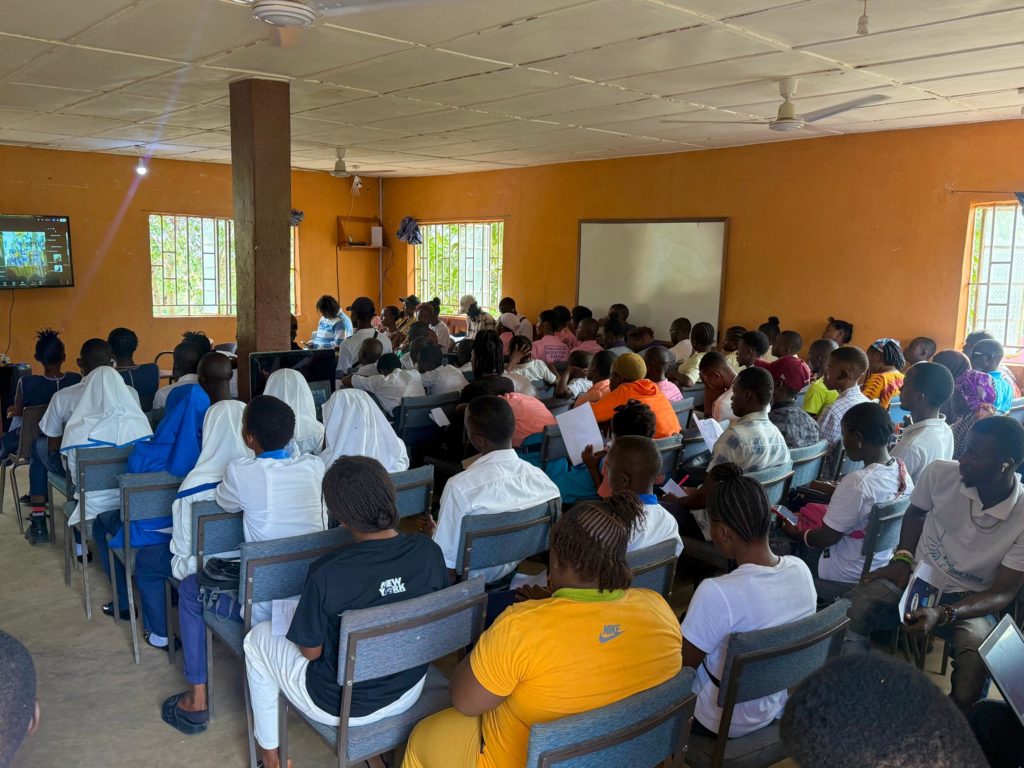
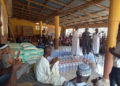
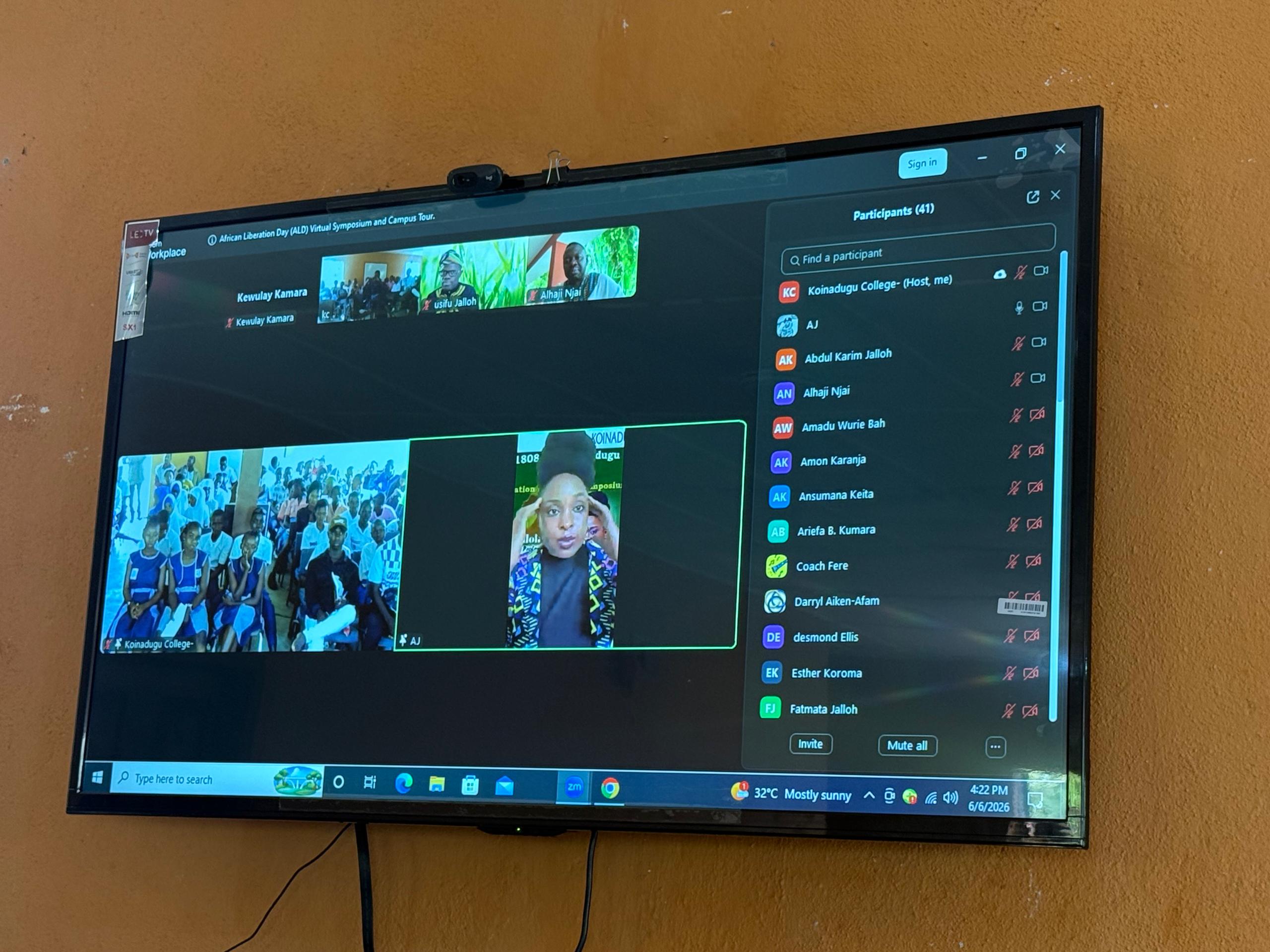
Koinadugu College, in collaboration with Project 1808 successfully hosted its Second Africa Liberation Day (ALD2026) Symposium in Kabala on Saturday June 6th, 2026. The symposium which was organized for both in-person and virtual participation, focused on the theme: “Restoring Dignity and Building Sovereignty: Empowering our Indigenous Systems, Institutions, and Communities through Research, Leadership, and Development.” The engagement brought together a dynamic mix of speakers, students, organizations, and community members from within and beyond the district.
In his opening statement, the Principal and Founder of Koinadugu College, Dr. Alhaji U. N’jai emphasized the urgent need for true independence and sovereignty in Africa, highlighting the current state of dependency of African countries on external aid for basic services like healthcare, education, food security and resource control. Dr. N’jai stated that the annual symposium aims to spark discussions among young and old people about how to build the Africa they want through cultural heritage, indigenous knowledge systems, research and authentic storytelling that highlights successful local solutions rather than relying solely on Western narratives and approaches.
The program featured several distinguished speakers, including Mr. Usifu Jalloh and Professor Kewulay Kamara, who are both multi-media storytellers, cultural and social change advocates. They discussed the importance of reclaiming authentic narratives and restoring dignity to communities through storytelling and cultural authenticity. Both emphasized the need for self-knowledge and understanding one’s true history beyond colonial narratives, arguing that proper storytelling is essential for empowering communities and reclaiming human dignity. Other speakers of the day were Ms. Asuma Jalloh, a Biomedical Research professional, and Mr. Papa N’jai, lecturer and student mentor.
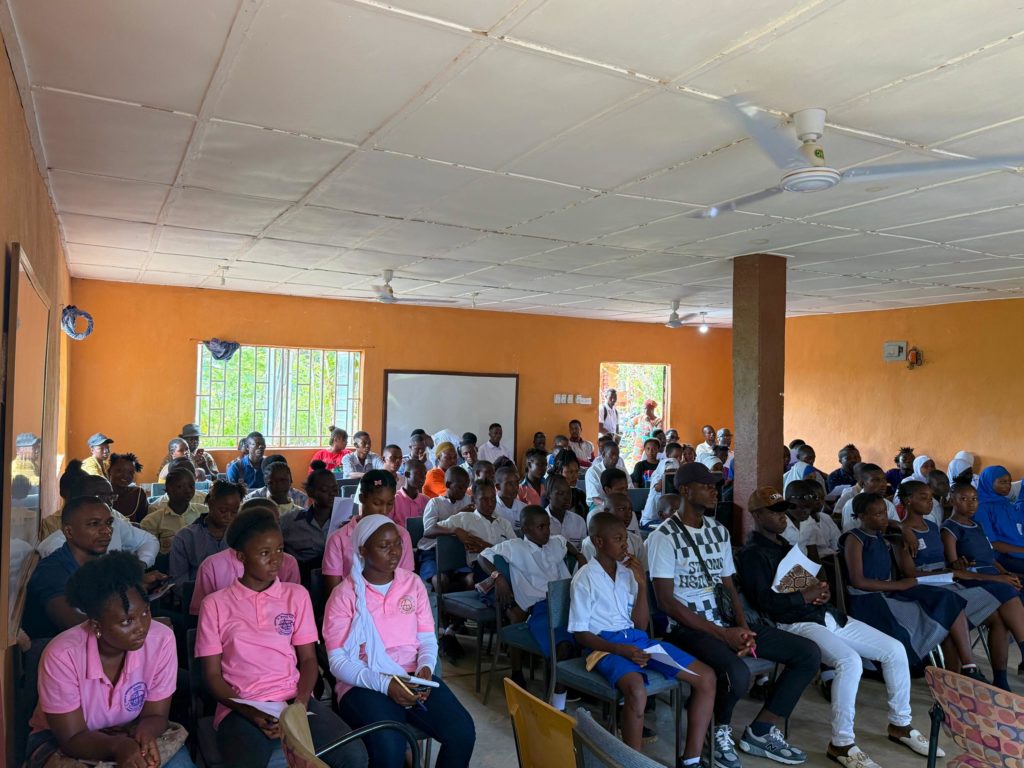
Usifu Jalloh, who delivered a presentation on “transformative storytelling as a key to African development,” used cultural narratives to demonstrate how African stories and traditions can be leveraged for business and entrepreneurship. He discussed the economic impact of storytelling through the example of Harry Potter, highlighting how a single story created millions of jobs across various industries. Usifu emphasized the need for Africans to re-examine their own culture and storytelling traditions, using examples like black soap and traditional Sierra Leonean garments like ronko, to illustrate how local solutions can be highlighted and developed into successful stories. He stressed the importance of preserving and promoting African cultural heritage, including traditional instruments like the Balanji and Sampa dance, rather than adopting foreign cultures, to achieve true independence and dignity as a people.
Professor Kewulay Kamara, likewise presented on “restoring dignity and empowering communities,” emphasizing the importance of self-knowledge and understanding one’s place in history, while discussing the dehumanizing effects of colonial narratives that reduced African people to mere resources. He reiterated the importance of storytelling in empowering communities and giving dignity, while emphasizing the need for humility and listening to others.
Asuma Jalloh delivered a comprehensive presentation on decolonizing African minds, emphasizing the need for self-confidence, research, and sovereignty in education and knowledge creation. She highlighted the importance of mastering local languages while learning new ones and called for critical thinking in teaching systems beyond exam-focused learning. Ms. Jalloh challenged the audience to question data sovereignty and implications of AI, urging them to become producers of knowledge rather than just consumers. She concluded by encouraging the diaspora to provide more than financial support, to offer mentorship and expertise to help build psychological independence and intellectual sovereignty in Africa.
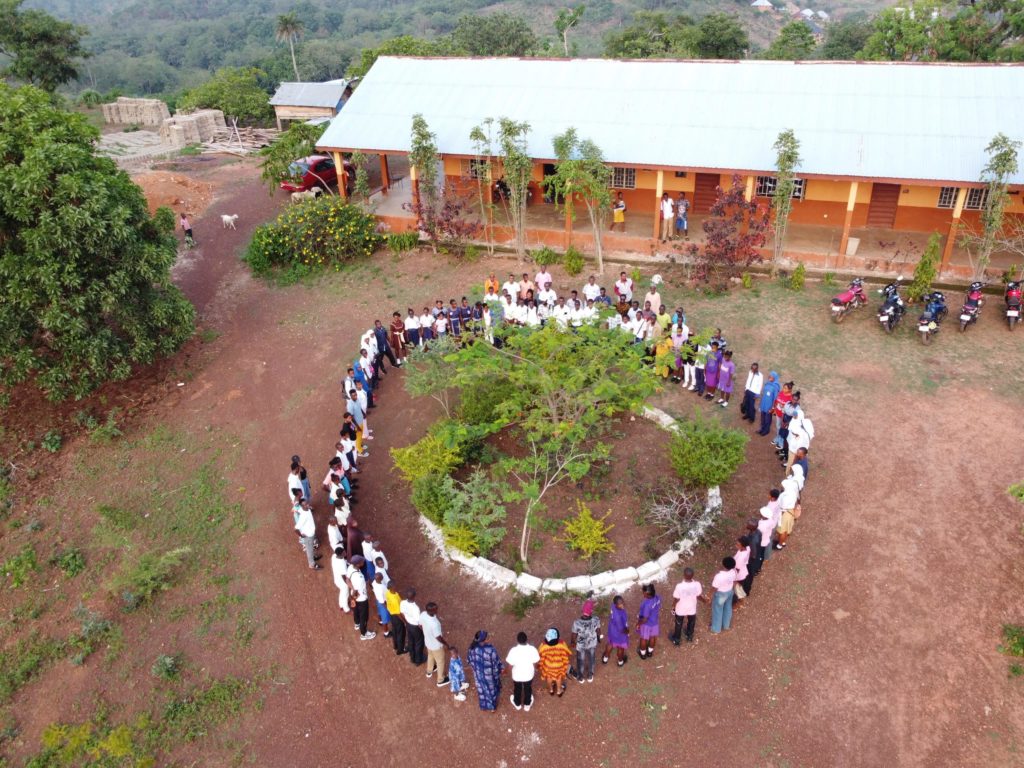
Papa N’jai, who was the last speaker, based his presentation on restoring dignity and building sovereignty through indigenous systems and development. He talked about Africa’s abundant natural resources, including minerals, agricultural potential, and maritime resources, while highlighting the paradox of plenty, where the continent has significant wealth, but struggles with poverty and development. Papa emphasized the need for a “FUBU” approach – developing solutions for and by Africans, rather than relying solely on external assistance and called for building confidence in home-grown solutions based on examples from countries like Botswana and Rwanda.
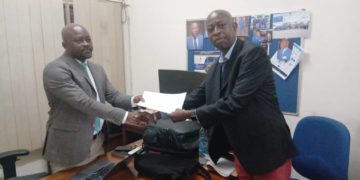
The symposium climaxed with a question, comment and answer session, followed by presentation of certificates to participating schools and institutions.