








By Kemo Cham
A new study has identified the first structured research agenda for West Africa’s journey towards producing a vaccine for Lassa fever.
The findings of the study published in the International Journal of Infectious Diseases this week was specifically designed to guide how governments in the Lassa fever endemic region should prepare for a vaccine before one is even licensed.
Lassa fever ia an acute viral haemorrhagic fever disease that is caused by the Lassa fever virus. It is a zoonotic disease that is primarily transmitted to humans through contact with food or household items contaminated by the urine or feces of the infectd animal vectors – wild rodents. The Mastomys is the most common culprit.
Sierra Leone is one of seven countries in West Africa that are said to be endemic to the virus. Data shared by the West African Health Organization (WAHO) and its partners show that the disease kills up to one in five people hospitalised or it. Pregnant women face fatality rates above 30%, with foetal loss in up to 75% of cases. Modelling suggests approximately 897,700 cases occur annually across the West Africa region, though most go undetected.
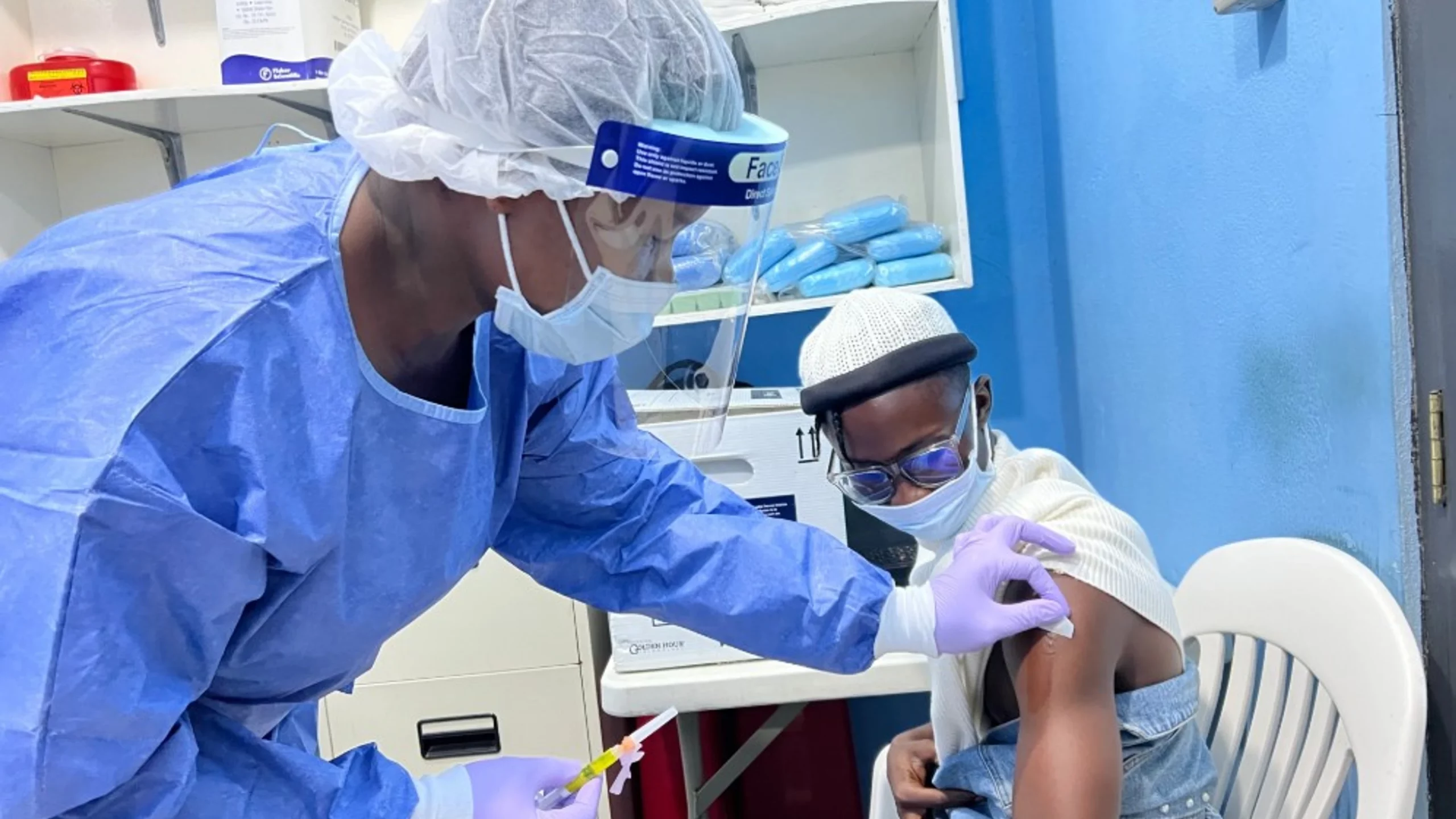
There is no licensed vaccine currently in existence for Lassa fever, although researchers believe one is likely to be available after 2030. Reports indicate that multiple promising vaccine candidates are actively advancing through clinical trials.
The Coalition for Epidemic Preparedness Innovations (CEPI)is parts of organizations funding efforts for several of these candidates vaccines. CEPI researchers are also involved in this new study, alongside colleagues at MM Global Health Consulting, and WAHO. The authors said they used a structured methodology called Child Health and Nutrition Research Initiative (CHNRI) to survey 235 experts, with a majority from Nigeria and over half from government agencies — on which research questions must be answered before countries can make sound decisions about introducing a Lassa vaccine. Thirteen questions emerged as top priorities, covering four areas: who should be vaccinated, how the vaccine performs in vulnerable populations, its economic value, and whether communities will accept it.
The highest-ranked question was how to identify target groups for vaccination, followed by understanding which comorbidities increase the risk of severe disease, and quantifying the economic burden of Lassa fever in high-burden countries. Communication strategies to drive vaccine acceptance ranked fourth, a signal that demand-side readiness is considered as urgent as clinical evidence.
The authors emphasised on the need for urgency in introducing a Lassa fever vaccine, noting that it cannot take as long as it took to introduce the malaria vaccine.
The RTS,S malaria vaccine took nearly a decade to move from market authorisation to national introduction. “Lassa fever cannot afford the same delay, and the only way to avoid it is to start generating the right evidence now, while vaccine development is still ongoing,” they argued.
WAHO has committed to embedding the agenda in a regional research and development plan, with funding bodies and national governments urged to align investments accordingly.
You can read the full study at the International Journal of Infectious Diseases here: https://doi.org/10.1016/j.ijid.2026.108787